Providing high-charge density macromolecular systems engineered to handle stubborn industrial organic effluents under strict European discharge limits.
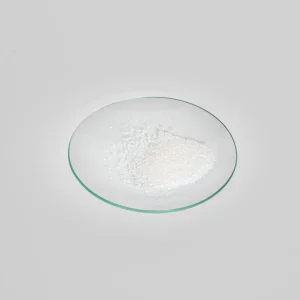
An in-depth look at regulatory frameworks and technical requirements shaping wastewater treatment in the heart of Europe.
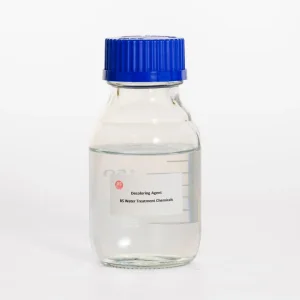
Industrial operations throughout Belgium's Flanders and Wallonia regions must adhere to rigorous ecological directives. High environmental standards demand near-zero color pollution and minimal chemical residue in discharged effluents. Our highly cationized dicyandiamide-formaldehyde copolymer (Water Decoloring Agent) helps mills meet tough discharge limits by effectively neutralizing soluble anionic dyes before the effluent reaches municipal collectors or public waterways.
In response to rising municipal water taxes, Belgian facilities are investing heavily in membrane bioreactors (MBRs) and closed-loop filtration systems. Raw, colored wastewater can easily foul delicate ultrafiltration and reverse osmosis membranes. Applying our Water Decoloring Agent as a pre-treatment step removes macromolecular dye networks and organic complexes, preventing biofilm buildup and extending membrane life cycles.
A closer look at how cationic macromolecules interact with anionic dye molecules to speed up flocculation and sedimentation.
Our specialized Water Decoloring Agent is a high-density, liquid cationic polymer. When introduced to colored wastewater containing water-soluble anionic dyes (such as reactive, acid, or disperse dyes), the polymer molecules quickly neutralize the negative charges on the dye structures. This neutralization destabilizes the colloidal suspension, allowing the dye molecules to aggregate.
Through subsequent polymer bridging and charge neutralization, these micro-flocs grow into larger, shear-resistant flocs. This chemical reaction significantly lowers Chemical Oxygen Demand (COD) while removing deep coloration from complex industrial effluent streams.
| Typical Parameter | Standard Specification Value |
|---|---|
| Chemical Name | Dicyandiamide Formaldehyde Copolymer |
| Appearance | Viscous Colorless to Light-Colored Translucent Liquid |
| Active Ingredient Content | ≥ 50% (High-Concentration Formulation) |
| pH (30% aq. solution) | 3.0 - 6.0 (Optimized for dynamic range) |
| Viscosity (25°C, mPa.s) | 50 - 300 (Ensures excellent dispersion properties) |
| Ecotoxicity Profile | Biodegradable & low sludge generation |
Founded in 1998, Wuxi BS Water Treatment Chemicals Co., Ltd. possesses advanced production technology and rich management experience. We specialize in producing a series of water treatment products for the treatment of drinking water and various types of domestic and industrial wastewater. Leveraging intelligent production facilities and dynamic quality control protocols, we supply tailored chemical configurations that consistently meet EU REACH standards.
Download Corporate Profile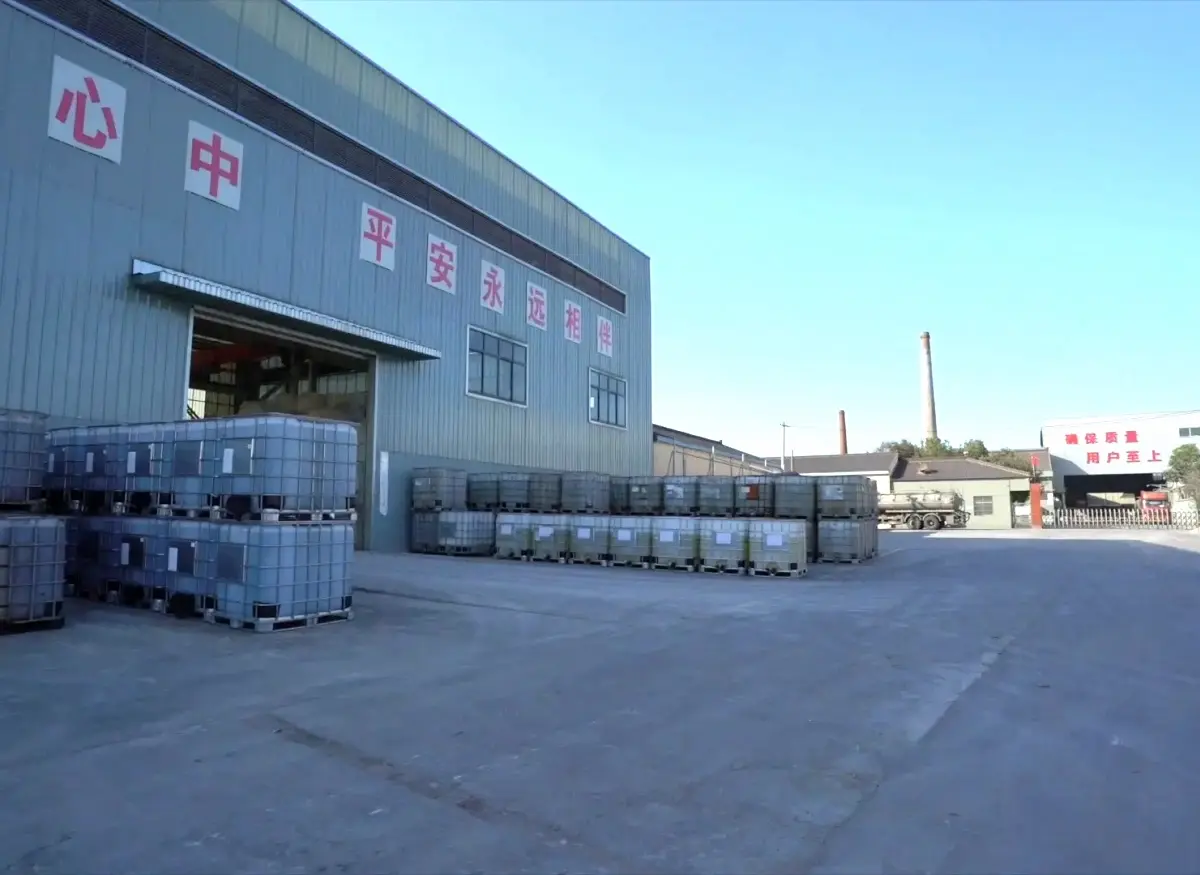
How our vertical supply chain integration and location-based logistics deliver reliable cost savings to industrial clients in Belgium.
By sourcing raw chemical monomers locally in China and operating high-efficiency synthesis lines, we shelter our international partners from supply-chain interruptions. This vertical integration ensures consistent product molecular weights, high cationic purity, and stable pricing across seasonal supply fluctuations.
Operating out of Wuxi, China allows us to combine scale advantages with lean operational procedures. This translates directly to a lower cost per ton for high-concentration cationic polymers. Belgian chemical distributors and end-users benefit from premium-grade decolorizers at highly competitive rates.
We provide full-process technical services, including "water quality analysis, formula matching, custom synthesis, and on-site optimization." Our laboratories can adjust molecular weight ranges and charge densities to match the specific wastewater parameters of your Belgian facility.
Custom chemical treatment plans built for the specific filtration demands of Belgian industrial plants.
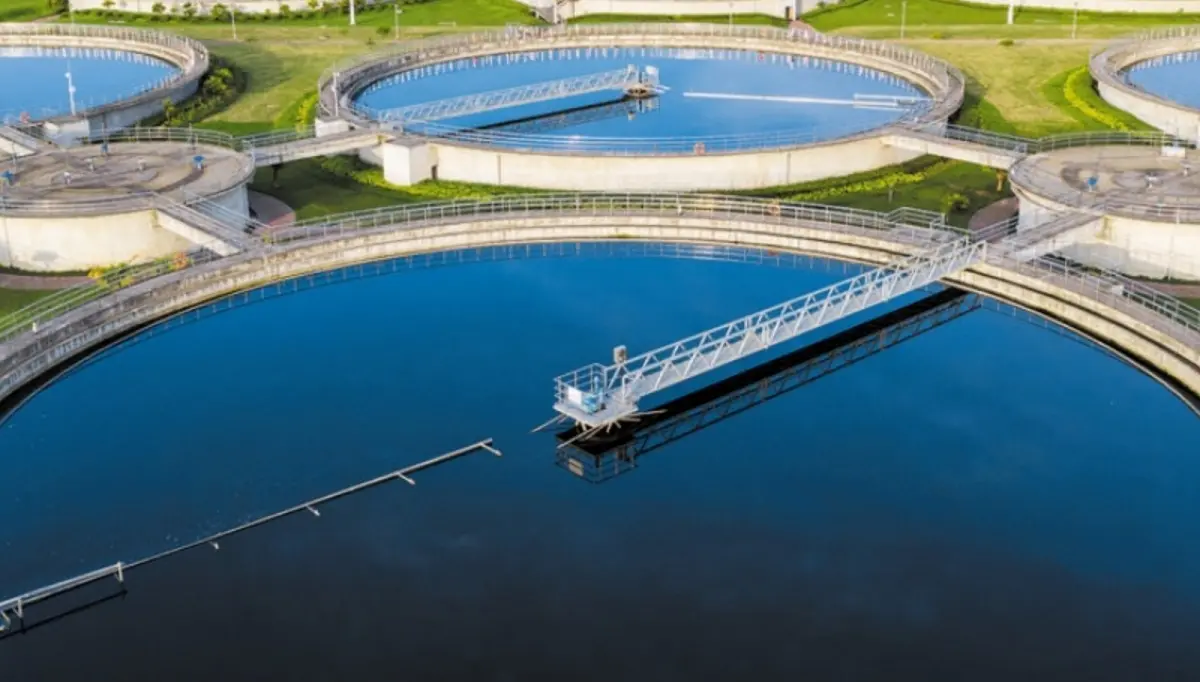
Textile mills in East Flanders generate highly colored wastewater containing complex active and reactive dyes. Our Water Decoloring Agent quickly binds with these chromophore chains, turning them into easily filtered macro-flocs. This step lowers overall COD and ensures compliance with strict local wastewater discharge codes.
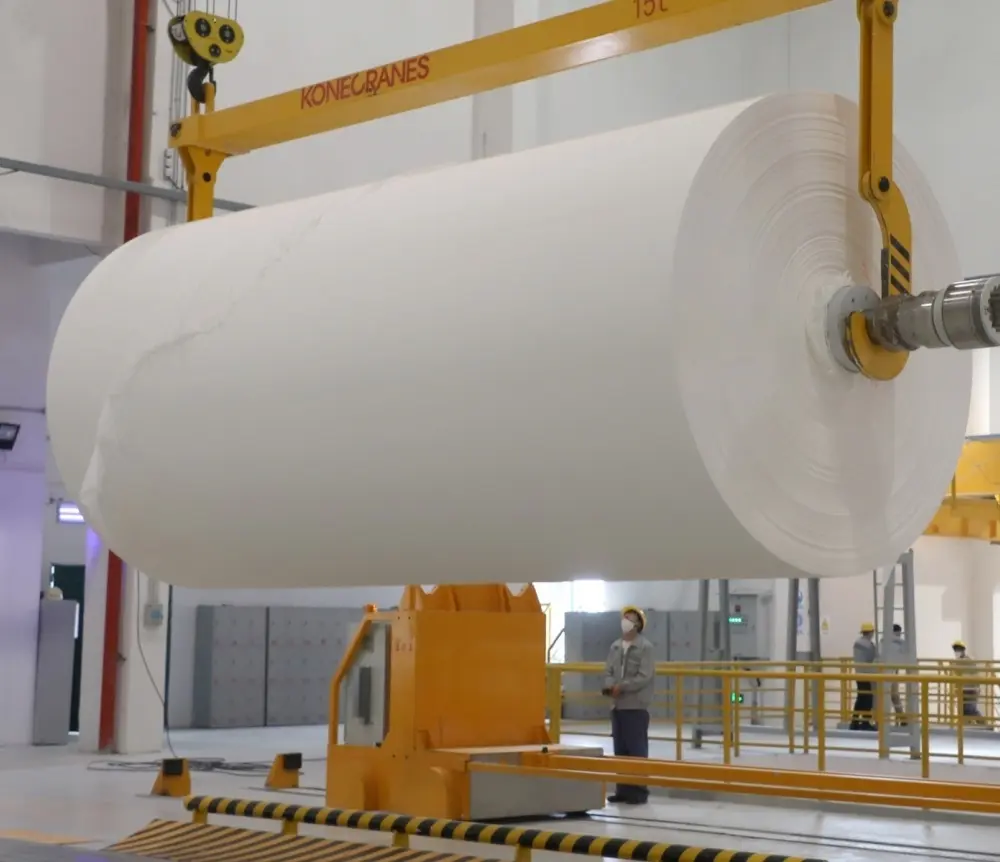
Modern paper manufacturers in Belgium use recycled fibers, which introduce complex inks, sizing agents, and anionic trash into process water. Using our cationic decolorizer helps control coloration, acts as a retention aid on the wire, and clarifies white water loops to support high recycled-fiber content.
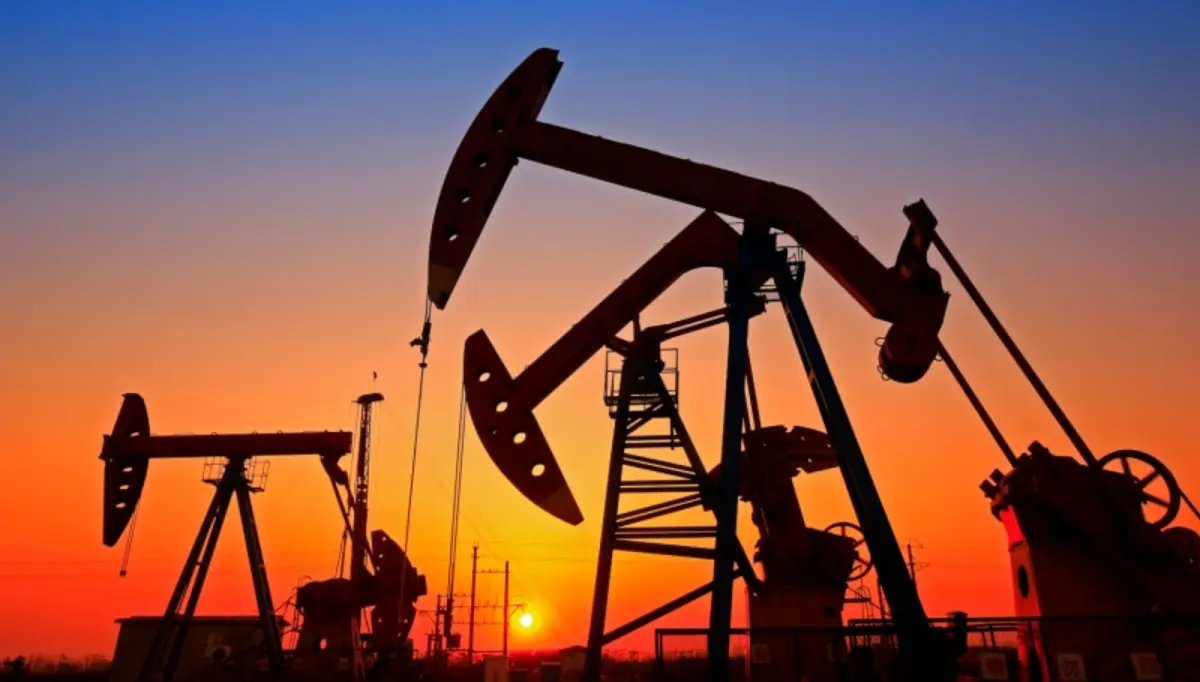
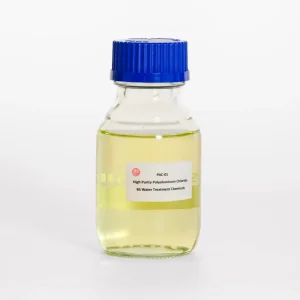
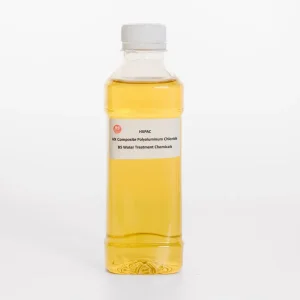
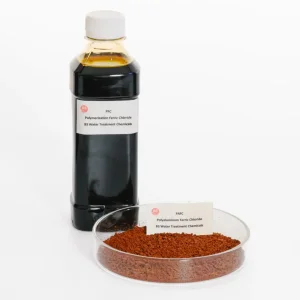
Belgium’s major petrochemical hubs process heavy hydrocarbon wastewater that contains emulsified oils and organic pigments. Our inorganic-organic coagulants break down these challenging oil-water emulsions, resulting in clear water and clean sludge separation.
A history of continuous innovation, capacity growth, and expanding global reach since 1998.
Factory Established: Initiated production lines in Jiangsu Province, focusing on municipal and industrial water treatment agent synthesis.
Renaming & Scaling: Officially restructured as Wuxi Bisheng Water Treatment Agent Co., Ltd., expanding industrial production capacity.
Export Operations Begin: Launched international distribution networks, supplying water treatment solutions to Southeast Asia, Europe, and beyond.
Global Expansion: Annual sales exceeded $10 million USD. Established dedicated foreign trade divisions to support and customize products for EU markets.
Expert answers to technical questions about dosing, optimization, and chemical interactions in wastewater treatment.
Reach out to our application engineers to request product samples, lab jar-test evaluations, or custom pricing estimates.
Explore our full range of water treatment chemicals, including advanced polymers and inorganic coagulants for European municipal and industrial applications.
 BS Water