Water Decoloring Agent Supplier & Factories in Czech Republic

Advanced Cationic Polymers & Water Treatment Solutions for Czech Industrial Wastewater Operations

Product Classification

Providing high-efficiency coagulants and flocculants engineered for strict European environmental discharge standards.

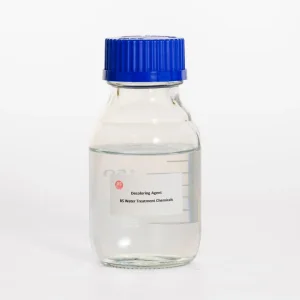
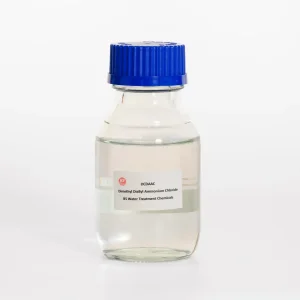
High Efficient Water decoloring agent (WDA)
Cationic Polymer

High Efficient Water Decoloring Agent (WDA)

Our proprietary dicyandiamide formaldehyde copolymer designed to remove color from highly colored industrial wastewater in Czech textile and dyeing mills.

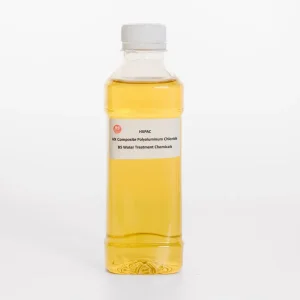
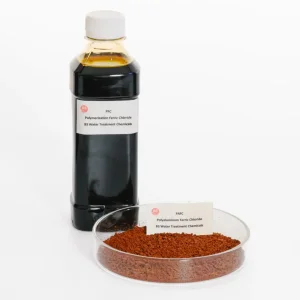
Polymeric Aluminium Ferric Chloride (PAFC)
Inorganic Coagulant

Polymeric Aluminium Ferric Chloride (PAFC)

High-efficiency inorganic polymer combining the rapid hydrolysis of iron with the large flocs of aluminum. Ideal for cold water treatment in Central Europe.

Aluminum Chlorohydrate (ACH)
High Basicity

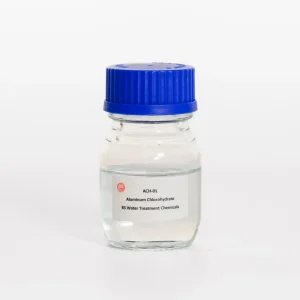
High Basicity Aluminum Chlorohydrate (ACH)

Maximum basicity (83%+) liquid/powder coagulant. Delivers optimal color removal and turbidity reduction in Czech municipal drinking water plants.

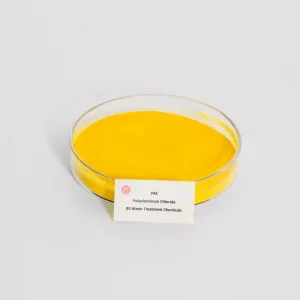
High Purity Poly Aluminium Chloride (PAC-01)
Primary Coagulant

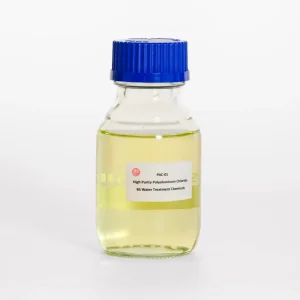
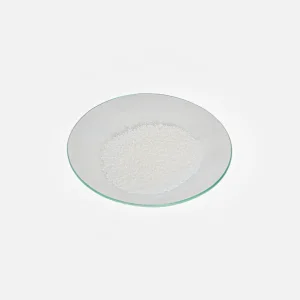
High Purity Poly Aluminium Chloride (PAC-01)

Specialized spray-dried white powder for paper mills and pure chemical processing, minimizing heavy metal residues in Czech domestic effluents.

Industrial Wastewater Landscape in the Czech Republic

The Czech Republic, situated at the geographic heart of Central Europe, possesses a robust industrial heritage spanning automotive engineering, paper manufacturing, chemical processing, and traditional textile production (particularly in the Liberec, Moravian-Silesian, and Pardubice regions). However, as a member of the European Union, the Czech Republic strictly enforces the EU Water Framework Directive (WFD) and local water protection acts such as Zákon o vodách č. 254/2001 Sb. These regulations mandate that factories treat highly colored wastewater before discharging it into municipal sewer networks or vital river basins like the Elbe (Labe), Vltava, and Oder (Odra).

In particular, textile printing and dyeing factories, along with pulp and paper mills, generate large volumes of wastewater containing complex organic dye molecules. These dyes, whether reactive, acid, or disperse, are notoriously resistant to biological treatment, meaning conventional municipal activated sludge plants cannot easily degrade them. This is where Water Decoloring Agents (WDA), specifically high-efficiency cationic polymer color-removal agents, play an essential role. By neutralizing charges and generating dense flocs, they remove color, chemical oxygen demand (COD), and suspended solids (SS) from wastewater streams with remarkable speed and reliability.

27+
Years of R&D
500k+
Annual Tons Capacity
20k+
Tons Live Stock
1000+
Global Clients

How Water Decoloring Agents Work: Chemical Dynamics

The core formulation of a Water Decoloring Agent (WDA) is a dicyandiamide-formaldehyde copolymer. This organic polymer features a high concentration of active cationic (positively charged) groups. When introduced to wastewater containing dissolved, colloidal, or suspended dye molecules (which generally bear anionic/negative charges), the following processes occur:

  • Charge Neutralization: The cationic polymers attract and neutralize the anionic charges on the dye molecules, destabilizing the suspension.
  • Adsorption & Bridging: The long polymer chains adsorb multiple destabilized dye molecules, binding them together.
  • Flocculation: As these molecules link up, they form larger, insoluble molecular complexes (flocs) that precipitate rapidly.
  • COD and BOD Co-removal: Beyond simple color removal, this process pulls down organic molecules, lowering COD and BOD before final effluent discharge.

By using WDA as a primary treatment step prior to clarification or membrane filtration, Czech industrial plants can protect downstream systems, prevent biological sludge toxicity, and avoid heavy penalties from local environmental regulatory bodies.
Localized Czech Application Scenarios

How specific industrial sectors utilize specialized polymers to solve complex wastewater challenges.

Textile & Dyeing Mills

Czech textile operations near Liberec or Dvůr Králové rely on reactive, acid, and disperse dyes. Traditional coagulants are ineffective for soluble reactive dyes. Our WDA targets these anionic dyes specifically, ensuring water meets the color value limit (<100 Pt-Co units) before discharge.

Pulp and Paper Factories

Pulping processes release lignin, tannin, and colored organic compounds, causing a dark brownish effluent. Treatment with WDA combined with Polyaluminium Chloride (PAC) removes colored organics, prevents foaming, and enables high-ratio recycling of process water.

Chemical & Refining Complexes

In industrial zones like Ústí nad Labem, high-COD chemical wastewater containing phenols and synthetic intermediates requires advanced coagulants. The high charge density of ACH and PAFC provides robust coagulation even under fluctuating pH conditions.

The Advantage of Partnering with Chinese Factories: Wuxi BS Water Treatment

For chemical distributors, engineering contractors, and industrial plants across Czech Republic, procuring directly from premier Chinese factories like Wuxi BS Water Treatment Chemicals Co., Ltd. offers a unique combination of quality, scale, and technical depth:

  • Massive Economies of Scale: Wuxi BS is a vertical manufacturer with direct access to upstream raw materials. This ensures a stable chemical cost structure unaffected by European energy fluctuations.
  • Uncompromising Quality & Standards: Operating under ISO 9001 and ISO 14001, our products comply with strict international quality controls. Our high-purity chemicals meet the requirements of European REACH registration, making them ideal for the EU chemical supply chain.
  • Tailored Molecular Architectures: Unlike general trading companies, we formulate custom molecular weights and charge densities (viscosities ranging from 50 to 500 mPa.s) to optimize performance for specific municipal or industrial wastewater types.
  • Secure Global Supply Chain: Backed by a 20,000-ton finished product warehouse, we guarantee stable supplies even during high seasonal demand. Shipping via major European maritime gateways (like Rotterdam or Hamburg) with direct rail connections to Prague and Ostrava ensures reliable, cost-effective logistics.

For more than 27 years, we have provided comprehensive water treatment solutions, helping industrial operators reduce chemical consumption and optimize wastewater treatment costs.

Chemical Selection Matrix

Compare chemical specifications, dosage values, and application focus to select the correct polymer.

Product Name Chemical Classification Primary Functions Optimal pH Range Key Application in Czech Republic
Water Decoloring Agent (WDA) Dicyandiamide Copolymer Color Removal, Flocculation, COD reduction 6.0 - 9.0 Textile dyeing, dye manufacture, paper mills
Polyaluminium Chloride (PAC) Inorganic Coagulant Coagulation, suspended solids removal 5.0 - 9.0 Municipal drinking water, industrial pretreatment
Polymeric Aluminium Ferric Chloride (PAFC) Inorganic Composite Coagulant Rapid sedimentation, heavy floc formation 5.0 - 10.0 Petroleum waste, complex chemical effluents
Aluminum Chlorohydrate (ACH) High Basicity Coagulant Minimum sludge volume, maximum Al2O3% 6.0 - 8.5 Drinking water purification, paper sizing
Cationic Polyacrylamide (CPAM) Organic Flocculant Sludge dewatering, centrifugation 3.0 - 10.0 Belt presses, decanter centrifuges, sewage treatment
Anionic Polyacrylamide (APAM) Organic Flocculant Mineral processing, wastewater sedimentation 6.0 - 11.0 Mining wash water, steel plant wastewater

Hot Water Treatment Products

Explore our range of high-efficiency water treatment chemicals exported directly to European markets.

China Cationic Polyacrylamide (CPAM) Suppliers
Flocculant

Cationic Polyacrylamide (CPAM) for Czech Sludge Dewatering

High molecular weight polymer designed for municipal and industrial wastewater sludge dewatering in Czech belt filter press plants.

Wholesale High-Quality PDADMAC
Cationic Coagulant

High-Quality Poly(diallyldimethylammonium chloride) (PDADMAC)

Strong cationic liquid coagulant, highly effective in paper mills as a pitch controller and anionic trash catcher.

Wholesale Poly Aluminium Chloride (PAC) Suppliers
Industrial PAC

Poly Aluminium Chloride (PAC) White/Yellow Granules

Low-dust, uniform granules with high water solubility. Highly recommended for heavy metal precipitate removal in engineering projects.

Wholesale Anionic Polyacrylamide (APAM) Suppliers
Flocculant

Anionic Polyacrylamide (APAM) Flocculant

Ultra-high molecular weight anionic polymer for fast settling and clarification of sand wash and mining process effluents.

China CPAC Suppliers
Composite Flocculant

Composite Polyaluminum Chloride (CPAC)

Enhanced multifunctional coagulant offering faster floc growth and lower residual aluminum content in treated wastewater.

Wholesale Compound Poly Aluminium Chloride Manufacturer
Compound Coagulant

Compound Poly Aluminium Chloride Coagulant

Formulated for difficult industrial effluents, combining organic charge neutralizers and inorganic salts.

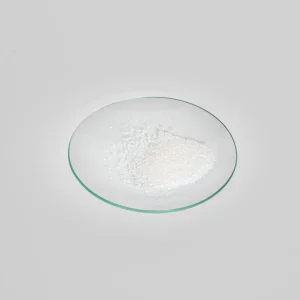
Wholesale Poly Aluminium Chloride (PAC) Suppliers
Solid Coagulant

High-Quality Poly Aluminium Chloride (PAC) Powder

Soluble chemical compound engineered to meet demanding European municipal and potable water treatment standards.

Wholesale Polymeric Aluminium Ferric Chloride
Composite Polymer

Polymeric Aluminium Ferric Chloride (PAFC) Flocculant

Combining the coagulation chemistry of aluminum with ferric salts for fast-settling operations and COD reduction.

China Poly Aluminium Chloride (PAC) Suppliers in China | Factory-Manufactured White/Yellow Granules and Powder Manufacturers, Factory China High Efficient Water Decolorizing Agent (WDA) - Cationic Polymer from China Suppliers & Factory for Wastewater Treatment Supplier, Factory China Suppliers Factory for Composite Polyaluminum Chloride (CPAC) - Enhanced Water Treatment Flocculant Wholesale PolyAluminium Chloride (PAC) Liquid - China Suppliers & Factory for Colorless/Light Yellow Solutions Supplier, Factory

Macro-Industry Solutions: Integrating Chemicals for Maximum Synergy

Modern wastewater plants rarely rely on a single chemical agent. To optimize operating costs and meet discharge requirements, a multi-step chemical coagulation and flocculation system is recommended:

1. Primary Color Neutralization (Decolorization)

Add Water Decoloring Agent (WDA) directly to raw wastewater after adjusting the pH to the optimal range (typically 7.0 - 8.0). WDA targets soluble dye molecules, converting them into micro-flocs. The typical dosage ranges from 40 to 100 ppm, depending on color density.

2. Coagulation and Flocculation Enhancement

Introduce an inorganic coagulant like Polyaluminium Chloride (PAC) to neutralise charge on remaining suspended solids and build larger flocs. PAC acts synergistically with WDA, reducing overall chemical consumption by up to 30%.

3. Polyelectrolyte Flocculation (Bridging)

Add a trace amount (0.5 to 2 ppm) of Anionic Polyacrylamide (APAM) or Cationic Polyacrylamide (CPAM) at the flocculator exit. Polyacrylamide acts as a binder, gathering small flocs into massive, dense aggregates that settle instantly in primary clarifiers or float easily in Dissolved Air Flotation (DAF) systems.

Wuxi BS Water Treatment Milestones

A journey of innovation, quality control, and global expansion over 27 years.

1998

Our factory was founded, specializing in advanced cationic polymerization for local textile industries.

2005

Re-organized and renamed as Wuxi Bisheng Water Treatment Agent Co., Ltd. to align with state-level environmental mandates.

2007

Began exporting water treatment chemicals globally via established chemical distributors and agency partners.

2021

Annual export sales exceeded $10,000,000, reflecting growing global trust in our product quality.

2025

Formed our dedicated foreign trade department to offer direct technical support, custom blending, and logistics coordination to international clients.

Frequently Asked Questions

Technical answers to help you optimize decolorization chemical applications.

What is the optimal pH range for Water Decoloring Agent (WDA)?

For most textile dyeing wastewater, the optimal pH range for WDA is 6.0 to 9.0. If the pH is outside this range, chemical consumption may increase. For highly acidic or alkaline wastewater, adjust pH to around 7.5 before dosing the decolorizing polymer.

Can WDA be combined with Polyaluminium Chloride (PAC)?

Yes. In fact, combining WDA with PAC is a standard industry practice. Dose WDA first to neutralize color charges, followed by PAC to build flocs. This synergistic approach reduces chemical costs and improves settling rates.

How does water temperature affect the performance of polymer coagulants?

Low water temperatures (common in Czech winters) slow down the hydrolysis rate of traditional inorganic coagulants. However, organic polymers like WDA maintain high color removal efficiency even in cold water, making them highly reliable Central European industrial systems.

What is the typical shelf life of liquid Water Decoloring Agent?

Liquid WDA has a shelf life of 12 months when stored in original, unopened containers in cool, dry conditions (between 10°C and 30°C). Avoid exposure to freezing temperatures and direct sunlight.

Are your chemicals compliant with EU REACH regulations?

Yes. Wuxi BS Water Treatment chemicals exported to European markets comply with REACH registration requirements, ensuring seamless import and distribution across EU member states.

Connect with Wuxi BS

Get in touch with our technical team to discuss wastewater treatment parameters, request samples, or request a custom quote.

Wuxi BS Water Treatment Chemicals Co., Ltd.
© Established 1998

Send an Inquiry Now