Advanced chemical formulations tailored for rapid floc formation, sediment compaction, and highly effective decolorization in industrial processes.
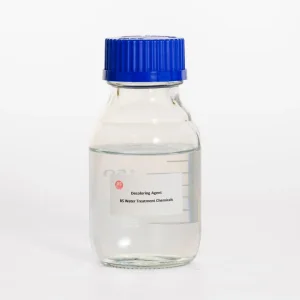
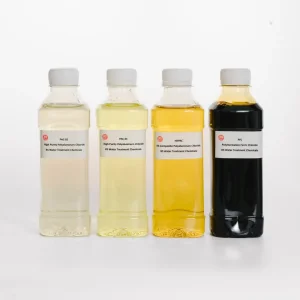
Analyzing water scarcity limits, industrial effluent regulations, and chemical options to secure operational license-to-operate in Namibia.
Namibia is widely recognized as the driest country in Sub-Saharan Africa. With annual rainfall patterns dropping as low as 50mm along the desert fringe and peaking at only 600mm in the Zambezi region, fresh water is treated as a highly critical national resource. The management of aquifers, direct potable reclamation systems (such as the historic New Goreangab Water Reclamation Plant in Windhoek), and coastal mining sites demands strict compliance with zero liquid discharge (ZLD) strategies and highly efficient wastewater recycling techniques.
Industrial processing facilities—ranging from copper mining in Tsumeb and uranium exploitation in the Erongo region to textiles, commercial slaughterhouses, and maritime fish processing factories in Walvis Bay—face a double mandate. They must minimize raw water extraction while discharging effluents that comply strictly with the Water Resources Management Act. Conventional coagulation cannot remove dissolved, high-chroma organic molecules, complex dyes, and colloidal mining humics. This is where advanced Water Decoloring Agents (WDAs) become essential process chemicals.
Soluble organic colors and complexes resist natural degradation. In aquatic ecosystems, these colored effluents block sunlight penetration, shutting down photosynthesis and triggering eutrophication. By deploying high-charge cationic polymers, Namibian industrial operators can instantly break complex dye structures, reduce COD, and ensure recycled water meets the highest standards for process re-entry.
The core formulation of a high-quality Water Decoloring Agent (WDA) relies on dicyandiamide-formaldehyde condensation polymers. These compounds exhibit a high density of positive charges, which interact electrostatically with the anionic functional groups commonly found in dissolved dye molecules, lignins, and humic complexations.
Our polymers neutralize charges, causing the micro-pollutants to destabilize. Following this destabilization, hydrophobic forces cause the molecules to cluster together into micro-flocs. When combined with mineral coagulants like Polyaluminium Chloride (PAC) or high-molecular-weight anionic polyacrylamides (APAM), these micro-flocs quickly grow into larger, easily filterable aggregates. This dual approach delivers exceptional clarity, turning high-chroma effluent into clean, reusable water.
High cationic density actively targets and captures anionic dyes, organic acids, and dissolved solids for rapid settling.
Directly lowers Chemical Oxygen Demand (COD) up to 80% when combined with secondary filtration or biological systems.
Engineered to remain highly active in salty mining process waters and brackish borehole feeds typical in dry climates.
Established in 1998, Wuxi BS is a global developer and manufacturer of high-purity water treatment additives. Our plant integrates digital dosing control and automated synthesis lines to ensure batch consistency across every metric ton shipped to our customers worldwide.
We provide extensive, custom chemical formulations designed to align with strict regulatory standards. Partnering with top-tier logistical networks, we guarantee safe, on-time delivery from China’s chemical corridors directly to the Port of Walvis Bay and key manufacturing centers across Namibia.
Connect with our Technical DirectorExploring localized usage models for our decolorizing chemicals, polyacrylamides, and PAC variants across specialized operating conditions.
In Namibia's major mining sectors, water is recycled continuously through thickener circuits to maximize reuse. High suspended solids mixed with chemical residues restrict settling rates. Cationic polymeric WDAs, paired with anionic PAM, clarify mine discharge. This system ensures clean overflow water can be returned immediately to leaching tanks, crushing plants, or grinding circuits, lowering groundwater extraction rates.


Light manufacturing plants in Windhoek, Okahandja, and similar areas discharge highly colored wastewater containing reactive, acid, and disperse dyes. Conventional biological treatments often fail to break down these stable aromatic rings. Our WDA targets the color-carrying bonds of the dyes directly. It breaks their molecular structure, precipitates the dissolved pigment, and reduces secondary sludge volume, enabling clean, eco-friendly discharge.
Fish processing operations produce wastewater rich in fats, oils, grease (FOG), and high organic protein structures, while tanneries yield complex protein wastes and sulfides. These elements create high turbidity and strong odors. Combining composite Polyaluminium Chloride (PAC) with cationic water decolorizing polymers destabilizes these organic emulsions. The resulting clear water is safe for discharge or further biological treatment.
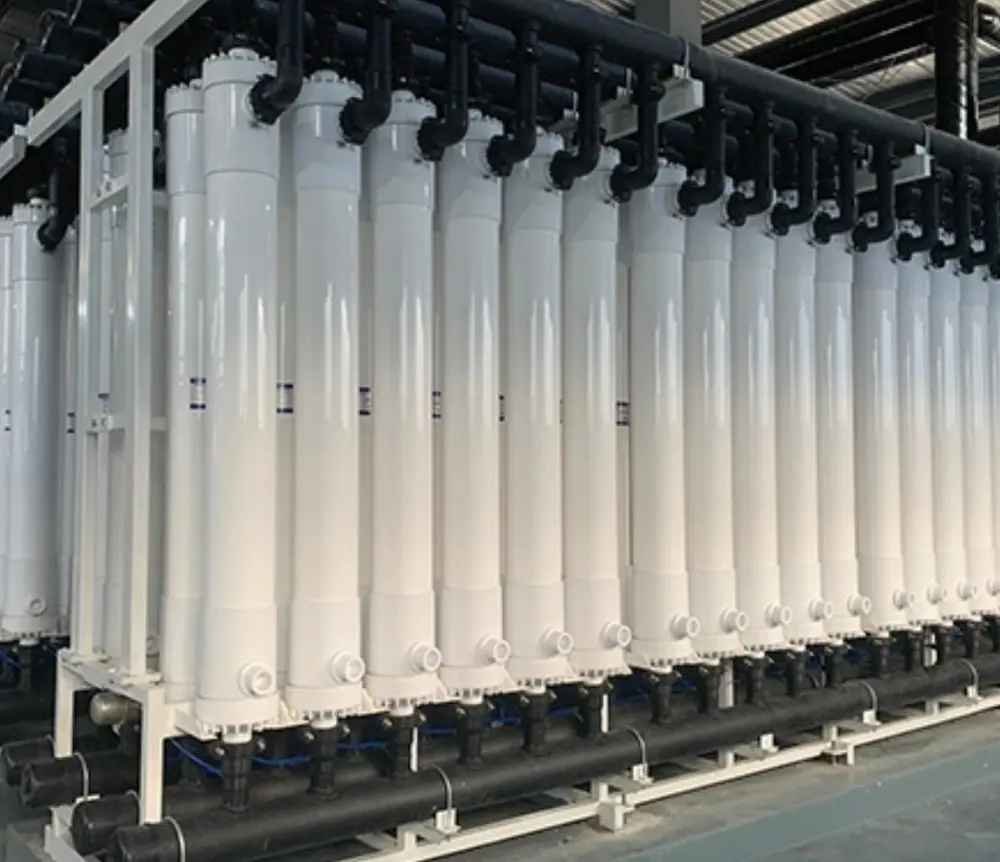
Select the optimal coagulation chemistry based on the raw water composition, pH range, and targeting pollutants.
| Chemical Agent Category | Active Matter / Solid Content | Optimized pH Range | Target Pollutants | Principal Function in System |
|---|---|---|---|---|
| Water Decoloring Agent (WDA) | ≥ 50% (Liquid form) | 3.0 – 10.0 (Best at 7.0-8.0) | Soluble organic dyes, high chroma humics, dissolved COD | Decolorization, primary charge neutralization, micro-floc formation |
| Polyaluminium Chloride (PAC) | 10% - 15% (Liquid) / ≥ 30% (Solid) | 5.0 – 9.0 | Suspended silts, colloidal mud, inorganic particulates | Primary inorganic coagulation and charge reduction |
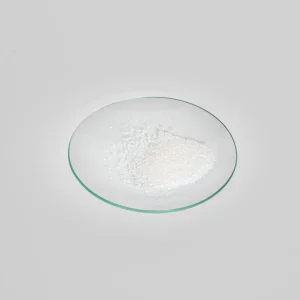
| Polyacrylamide (PAM - Anionic/Cationic) | ≥ 88% - 90% (Granular powder) | 1.0 – 14.0 (Dependent on charge type) | Flocculated sludges, mine tailings, heavy organic bio-solids | Polymer bridging, rapid settling, mechanical dewatering support |
| Aluminum Chlorohydrate (ACH) | ≥ 23% Al2O3 (Highly basic liquid) | 5.5 – 8.5 | Dissolved phosphorus, fine silica, low-turbidity colloids | High-charge inorganic coagulation without dropping pH levels |
Explore Wuxi BS’s broad selection of high-grade flocculants, basic coagulants, and charge neutralizers designed for worldwide industrial use.
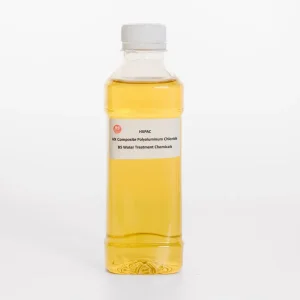
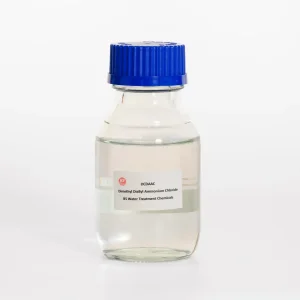
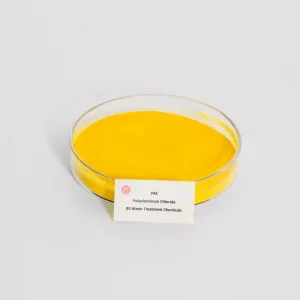
Providing technical answers to common questions about dosage, storage in dry climates, and industrial performance.
The dosage is determined through a series of lab jar tests. Typically, industrial applications require between 10 to 40 ppm (parts per million), which translates to 10 - 40 grams of agent per metric ton of raw wastewater. The exact amount depends on the concentration of the dyes and the chemical structure of the waste. For best results, we suggest diluting the decoloring agent to a 10% to 50% concentration before dosing it directly into the rapid-mix chamber.
Yes, combining these agents is a highly effective strategy. The WDA reacts with dissolved organics and dyes to form micro-flocs, while PAC acts as an inorganic coagulant to bridge these particles into larger, heavier flocs. Adding WDA first, followed by PAC (and sometimes a small amount of anionic PAM), significantly improves overall settling speed, lowers chemical costs, and maximizes color removal.
Our liquid WDAs and PDADMAC polymers are highly stable and designed to handle warm climates. They should be stored in dry, well-ventilated areas away from direct sunlight at temperatures between 5°C and 30°C. Avoid contact with copper, iron, or aluminum containers to prevent chemical degradation; instead, use high-density polyethylene (HDPE) tanks or coated steel drums.
Yes. Once the coagulation and filtration processes are complete, the polymer is fully bound to the settled sludge and removed from the water. The treated water meets standard industrial and municipal reuse guidelines, allowing for safe return to local processes or discharge into municipal sewage networks.
Provide your wastewater parameters to receive a customized chemical solution and pricing from Wuxi BS.
 BS Water