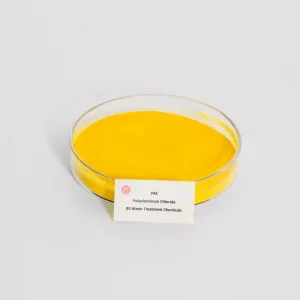
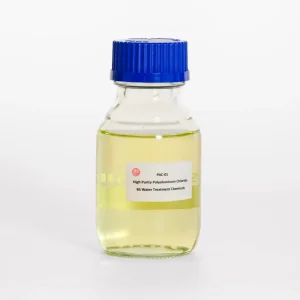
High-efficiency chemical agents optimized for Thailand's local textile, pulp & paper, and municipal wastewater treatment standards.
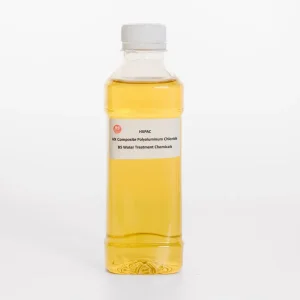
An in-depth analysis of chemical treatment methodologies, localized environmental challenges, and supply chain efficiencies in the Southeast Asian market.
Thailand's rapid industrialization, driven by the Eastern Economic Corridor (EEC) initiative spanning Rayong, Chonburi, and Chachoengsao provinces, has placed immense pressure on local water resources. The Department of Industrial Works (DIW) and the Pollution Control Department (PCD) have progressively tightened discharge parameters. For sectors like textile processing, dyeing, pulp and paper manufacturing, and agricultural product refinement, the removal of color (measured on the ADMI or Pt-Co scale) is no longer just an aesthetic concern—it is a critical regulatory mandate.
Industrial estates such as Amata City, WHA East Seaboard, and Map Ta Phut house state-of-the-art facilities that must maintain strict chemical oxygen demand (COD), biological oxygen demand (BOD), and suspended solids (SS) discharge limits. In particular, Samut Prakan and Pathum Thani provinces host highly concentrated clusters of textile dyeing operations that process reactive, acid, and disperse dyes. These chemical dyes feature high stability and solubility, rendering traditional primary clarification processes ineffective. Decolorization agents, primarily cationic polymeric dicyandiamide-formaldehyde resins, act as the cornerstone of effective pretreatment lines in these zones.
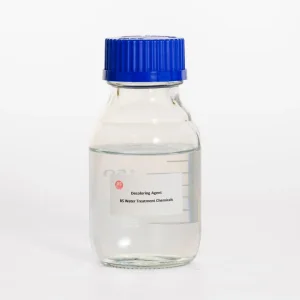
The challenge of removing color from wastewater lies in the molecular stability of synthetic dyes. Water Decoloring Agents (WDAs) manufactured by Wuxi BS Water Treatment Chemicals Co., Ltd. are highly cationic copolymer resins containing dicyandiamide, formaldehyde, and secondary amine linkages.
When introduced into colored effluent, these cationic polymers perform several critical actions:
For Thai procurement officers and water treatment engineers, balancing chemical performance with unit cost is paramount. China has established the world's most integrated and efficient industrial chemical supply chains. As a premier manufacturer, Wuxi BS Water Treatment Chemicals Co., Ltd. leverages several core structural advantages:
Raw Material Integration: Our facility in Jiangsu province has direct pipeline and contract partnerships for key chemical building blocks (such as dicyandiamide and polyamines), buffering our clients from global chemical market price spikes.
Advanced Digital Synthesis: By employing automated polymerization reactors, we control the cationic charge density and molecular weight distribution of every batch with high precision. This translates to a lower dosing requirement per cubic meter of wastewater treated in Thailand, reducing overall operating costs.
Geographical Proximity: Located near major shipping ports (such as Shanghai and Ningbo), we provide rapid sea freight routes to Laem Chabang and Bangkok Port. This logistics network keeps transit times short (often under 7-10 days), enabling just-in-time inventory management for Thai industrial distributors.
Wuxi BS Water Treatment Chemicals Co., Ltd. is founded in 1998, possessing advanced production technology and rich management experience. We specialise in producing a series of water treatment products for the treatment of drinking water and various types of domestic and industrial wastewater.
Our commitment to product quality, technical support, and global supply stability makes us the chosen partner for over 1000 enterprises worldwide. From raw water purification to complex zero liquid discharge (ZLD) closed-loop systems, our engineering team optimizes formulas tailored to the specific raw water chemical makeup of our clients.
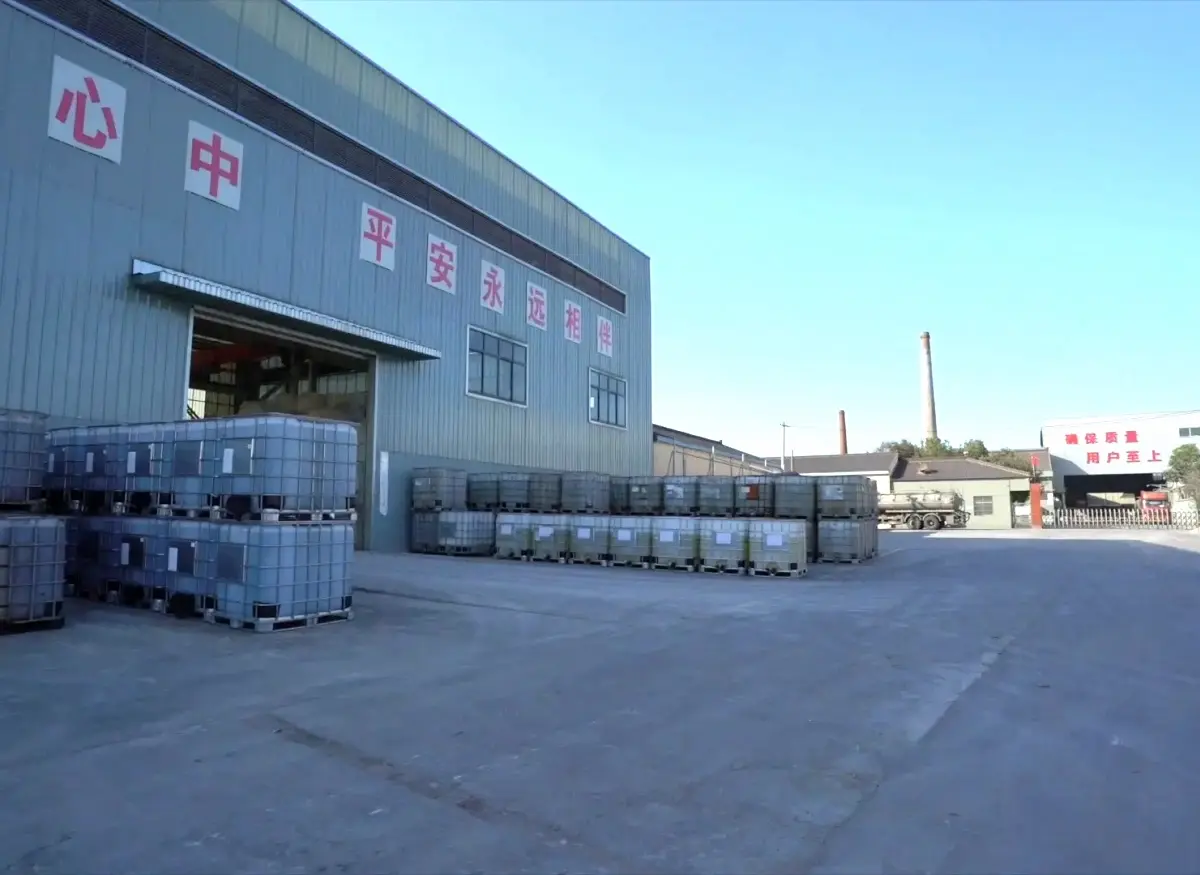
We tailor polymer formulation ratios to accommodate the unique regional variables of Thai industrial zones.
High concentration of reactive dyes, pH variances, and warm temperatures. Our WDA provides rapid flocculation, allowing water reuse in dyeing cycles.
Request Test ProtocolBlack liquor and pulping discharge contain complex organic lignins that resist biodegradation. Our WDA combined with PAC targets lignin structure for rapid settling.
Request Test ProtocolTreating raw surface water from Chao Phraya and Mae Klong rivers. Specialized high-purity coagulants reduce turbidity and organic coloration safely.
Request Test ProtocolExplore our comprehensive product lines of inorganic coagulants, organic flocculants, and customized polymers for industrial operations.
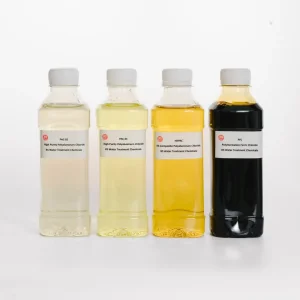
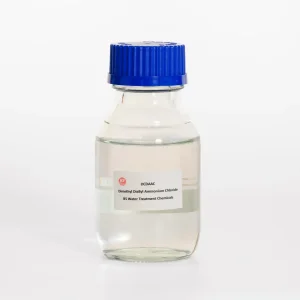
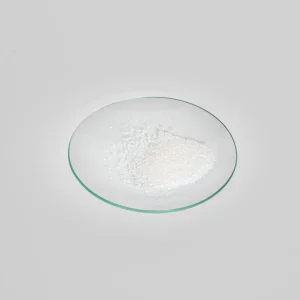
Bridging Chinese manufacturing efficiency with localized technical support across Thailand.
Our experienced chemists customize chemical polymers based on raw wastewater jar testing reports.
Annual export capacities exceeding 500,000 tons ensure your processing lines never face stockouts.
Integrated logistics management from Jiangsu plant to Laem Chabang port, including customs clearance handling.
Decades of process optimization focused on eco-friendly cationic polymers that minimize secondary sludge volumes.
Tracing our evolution from a local chemical factory to a global supplier of water treatment chemicals.
The manufacturing factory was established in Wuxi, China, focusing on basic inorganic coagulants.
Renamed Wuxi Bisheng Water Treatment Agent Co., Ltd. following structural updates and laboratory expansion.
Initiated global operations. Formulations were exported to distributors across Southeast Asia, including Thailand.
Annual sales volume topped 10 million USD, solidifying leadership in global decolorization agents.
Established dedicated foreign trade department to provide direct service and customization for international clients.
Essential technical information regarding procurement, chemical dynamics, and storage for Thai industrial buyers.
Looking for optimized decolorization formulas or price quotes for the Thailand market? Contact our international support team for assistance.
Wuxi BS Water Treatment Chemicals Co., Ltd. © 2025. All rights reserved.
 BS Water