Explore our specialized range of high-basicity aluminum compounds and synthetic organic polymers engineered for challenging solid-liquid separation processes.
Years of R&D and Production Experience
Tons Annual Production & Supply Capacity
Tons Continuous Finished Product Storage
Global Industrial Partners & Clients Served
In modern industrial water treatment and municipal sewage purification, separating suspended solids, colloidal particles, organic matter, and dissolved contaminants from aqueous solutions represents a fundamental processing challenge. Coagulation and flocculation processes serve as the primary mechanisms for achieving this purification. While often used interchangeably in non-technical discussions, coagulation and flocculation refer to distinct chemical and physical phenomena that occur at the molecular and colloidal levels.
SEO Insight / Chemical Mechanics: Colloidal suspensions in raw industrial effluent typically exhibit negative surface charges (Zeta Potential), preventing them from merging. Coagulants destabilize these charge barriers through ionic neutralization, while flocculants aggregate the destabilized micro-flocs via polymeric bridging and sweep flocculation.
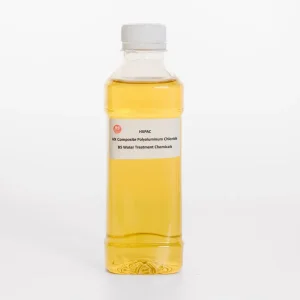
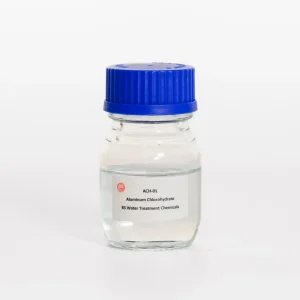
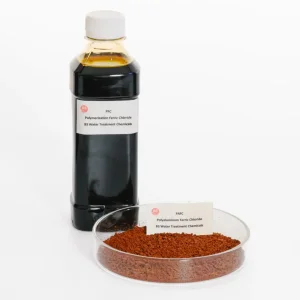
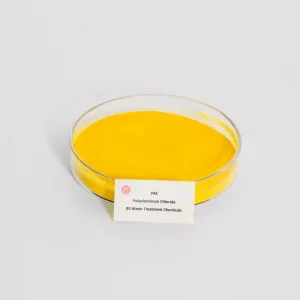
Coagulation is the chemical destabilization of colloidal particles. Most suspended substances in raw water are negatively charged. Coagulating chemicals contain highly charged cations (such as Al3+ or Fe3+) that neutralize these negative charges, reducing the electrostatic repulsion forces (zeta potential) between the particles. This allows the particles to come into contact and form micro-flocs. Inorganic compounds like Polyaluminum Chloride (PAC) and Aluminum Chlorohydrate (ACH) are classical examples of highly efficient primary coagulants.
Flocculation, conversely, is a physical agglomeration process. Once particle charge is neutralized, high-molecular-weight polymers, such as Polyacrylamide (PAM), introduce active polymer chains. These long chains absorb multiple micro-flocs simultaneously, linking them through a process known as "interparticle bridging". The resulting macro-flocs are larger, heavier, and shear-resistant, significantly accelerating gravity sedimentation, dissolved air flotation, or centrifuge sludge dewatering.
| Chemical Agent Category | Active Basicity / MW | Target Application | pH Operating Range |
|---|---|---|---|
| Aluminum Chlorohydrate (ACH) | 83% - 85% Basicity | Drinking Water, Cosmetics, Paper Sizing | 5.5 - 9.0 |
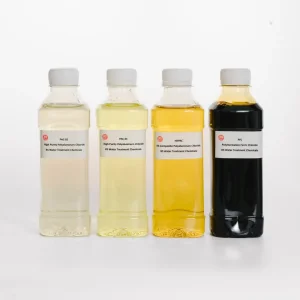
| Polyaluminum Chloride (PAC) | 40% - 65% Basicity | Municipal Wastewater, Industrial Effluent | 5.0 - 9.0 |
| Cationic Polyacrylamide (CPAM) | Medium to High MW | Sludge Dewatering, Organic Slurry Centrifugation | 3.0 - 10.0 |
| Anionic Polyacrylamide (APAM) | 12 - 25 Million MW | Mineral Washing, Oilfield Drilling, Metal Refining | 7.0 - 14.0 |
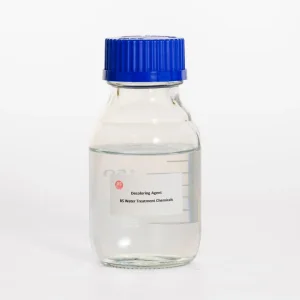
| Water Decoloring Agent (WDA) | Dicyandiamide Condensate | Textile Dyeing Wastewater Color Removal | 3.0 - 9.0 |
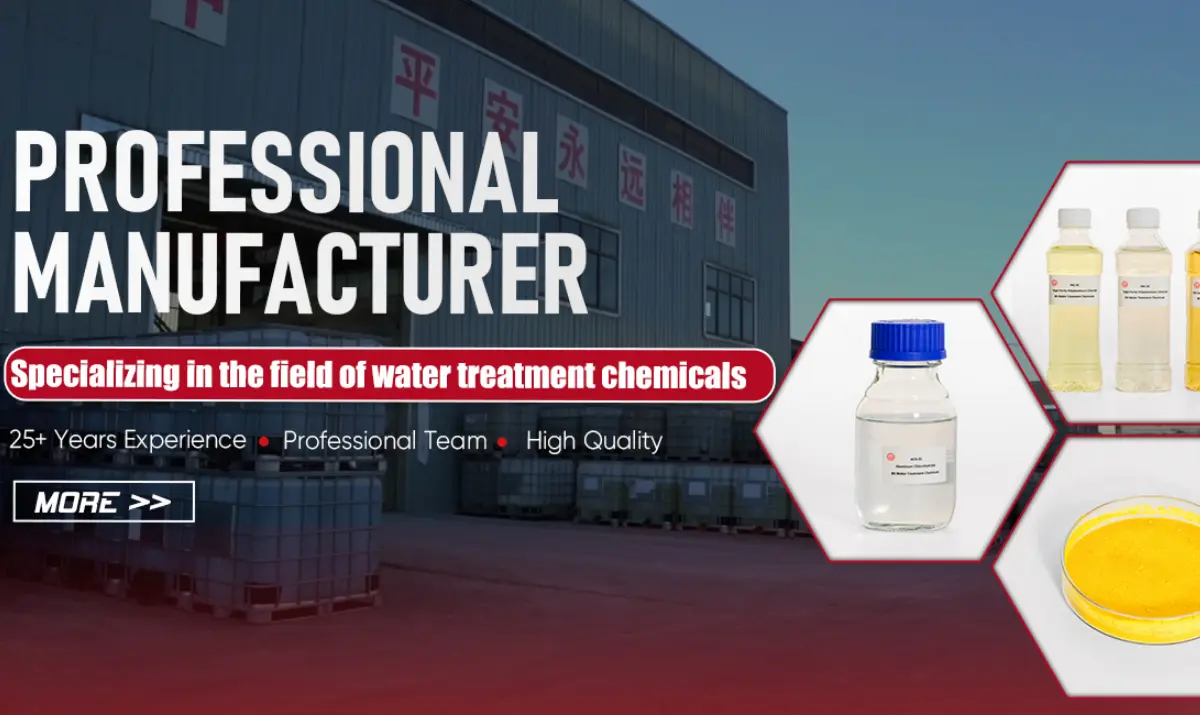
Founded in 1998, Wuxi BS Water Treatment Chemicals Co., Ltd. has developed into a technology leader in the production and export of high-grade water treatment agents. Our advanced chemical synthesis facility located in Jiangsu Province integrates automated process control with strict testing standards, ensuring batch-to-batch consistency for municipal drinking water systems and industrial plants.
With an annual production volume exceeding 500,000 tons and a specialized climate-controlled finished product warehouse exceeding 20,000 tons, Wuxi BS prevents supply disruptions caused by localized raw material shortages or shipping delays. Our strategic location near primary shipping hubs ensures optimized freight times to Asia, Europe, and the Americas.
We work with international engineering contractors and distributors to customize active concentrations, basicity grades, and polymer structures (molecular weight and charge density) based on custom water chemistry parameters. Our laboratory provides complimentary jar testing support to determine the ideal coagulant-to-flocculant ratio for your local application.
Our chemicals are optimized for specific industrial processing conditions, ensuring maximum impurity removal and minimal sludge volume generation.
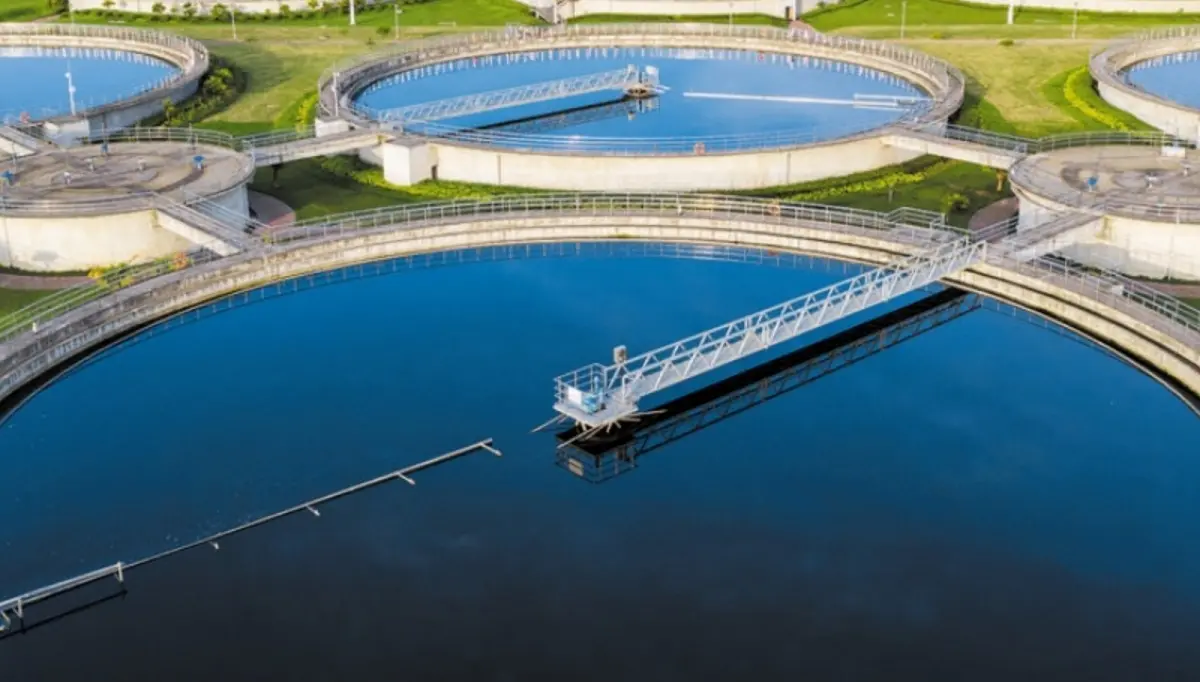

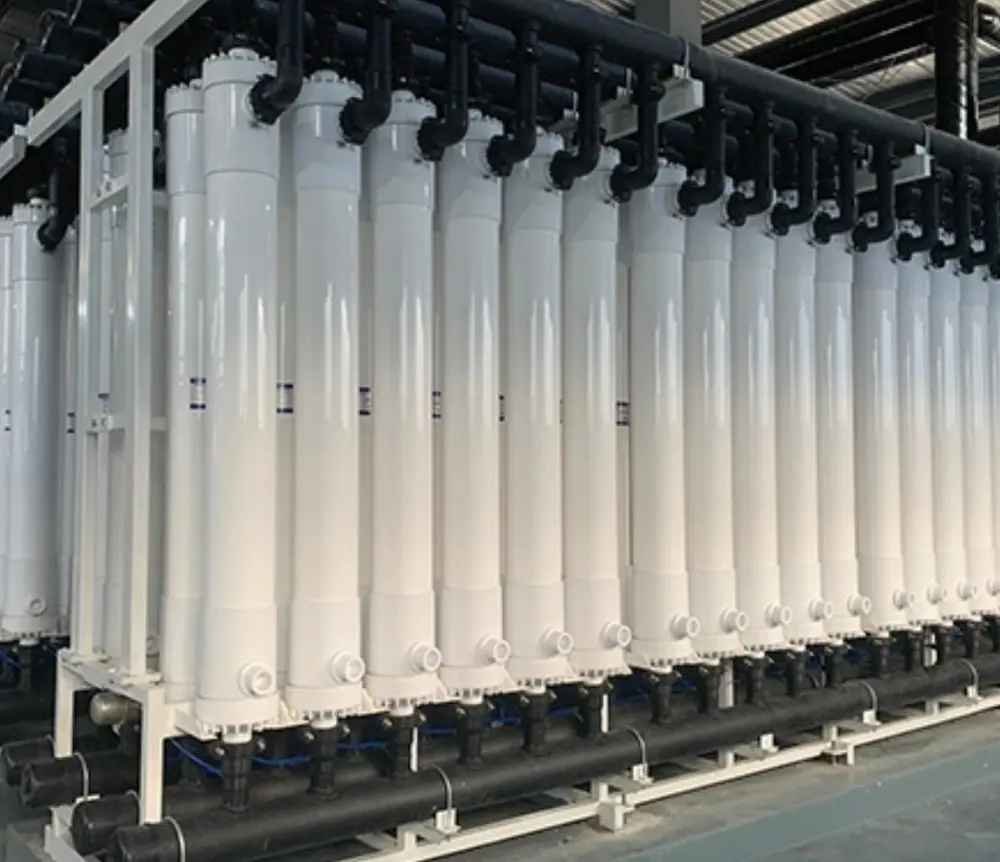
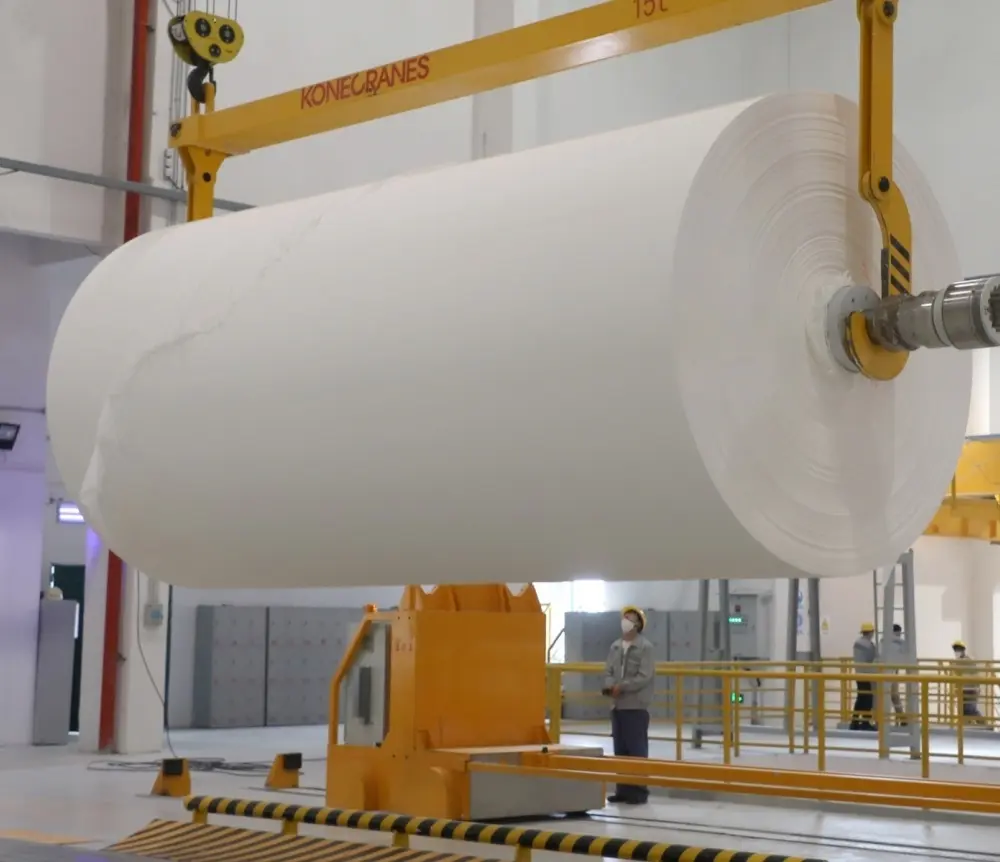
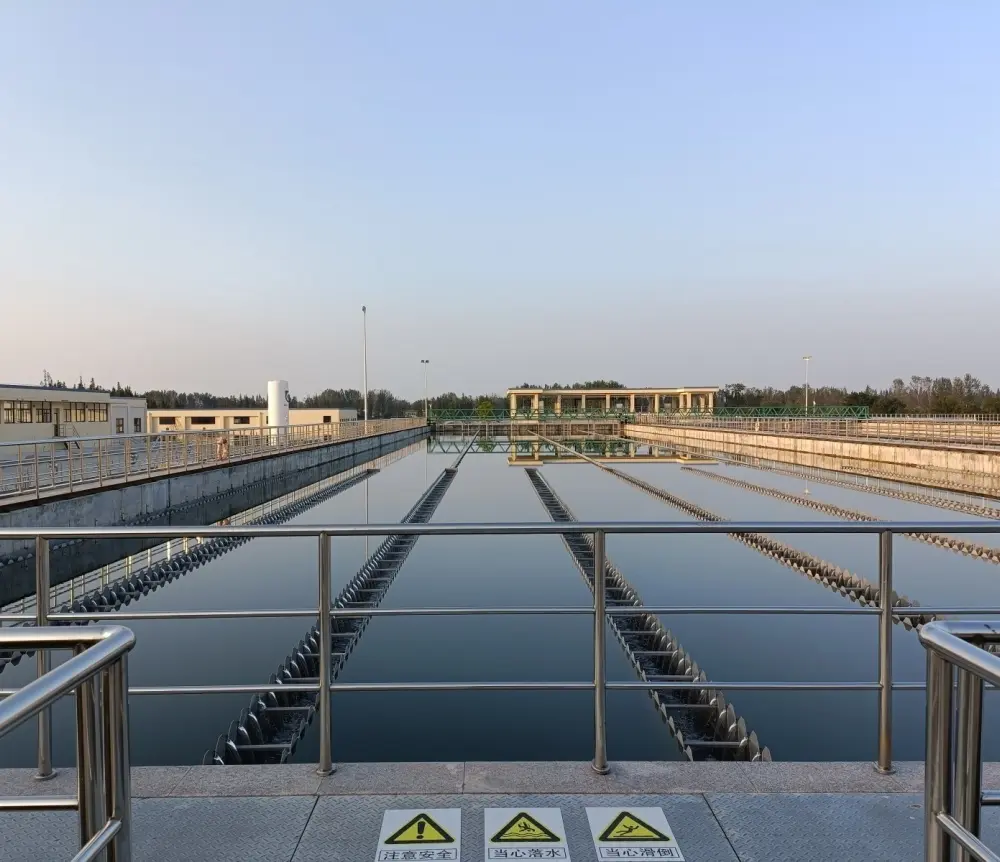
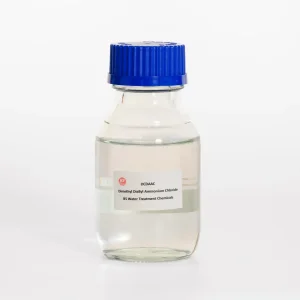
Purchasing water treatment chemicals requires balancing performance, logistical safety, and cost. China's chemical supply chain is highly integrated, offering advantages from raw material sourcing to scale optimization that other regions struggle to replicate. As a vertical manufacturer of both primary inorganic salts (PAC, ACH) and complex organic polymers (PDADMAC, PAM), Wuxi BS operates at a cost baseline that ensures competitive global pricing.
International environmental regulations are increasingly stringent. For municipal drinking water networks, chemical components must meet purity standards that guarantee no harmful secondary substances are introduced. Wuxi BS compounds align with international standards including NSF/ANSI Standard 60 for drinking water treatment chemicals, EU REACH registration protocols, and ISO 9001:2015 quality control processes.
Our production facilities operate continuous discharge monitoring and recycling systems to ensure compliance with strict environmental laws. This proactive compliance shields our global buyers from the threat of sudden regulatory shutdowns that can disrupt non-compliant factories.
The stability of coagulant and flocculant chemicals is highly dependent on proper storage and transportation. Liquid formulations (such as liquid PAC or liquid ACH) require specialized high-density polyethylene (HDPE) IBC drums or flexitanks to prevent corrosion and chemical degradation. Dry granular or powder polymers (like PAM) must be packed in multi-wall moisture-proof bags with PE inner liners to prevent moisture absorption and caking during transport across different climates.
Logistical Advantage: Wuxi BS is located near the Shanghai/Ningbo port cluster. This strategic positioning allows us to respond to emergency supply requests within 48 hours, keeping your process lines running and preventing costly plant shutdowns.
A continuous journey of chemical innovation, processing upgrades, and global market expansion.
The manufacturing factory was established in Wuxi, specializing in inorganic municipal coagulant synthesis.
Renamed Wuxi Bisheng Water Treatment Agent Co., Ltd., expanding production lines to include synthetic polymers.
Initiated direct international trade, supplying distributors across Southeast Asia, Europe, and the Middle East.
Annual foreign trade volume exceeded $10 Million, cementing our position as a preferred global OEM supplier.
Established a dedicated foreign trade department and digital manufacturing center to support direct global supply chains.
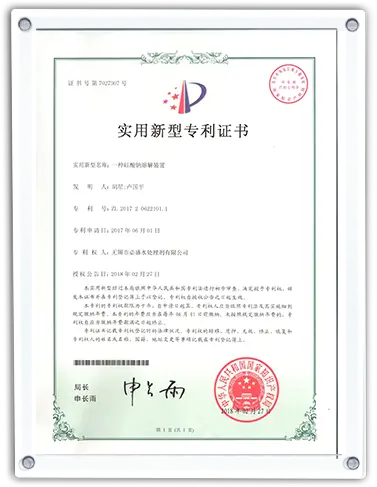
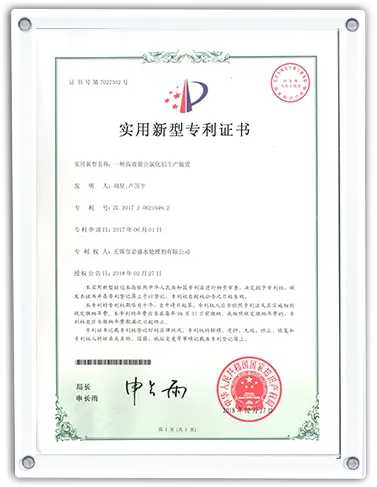
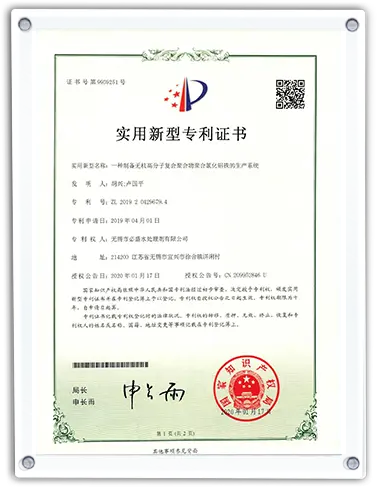
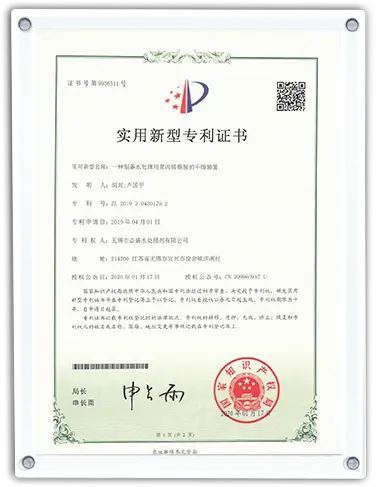
Our commitment to rigorous testing and international quality standards ensures reliable batch-to-batch chemical performance.
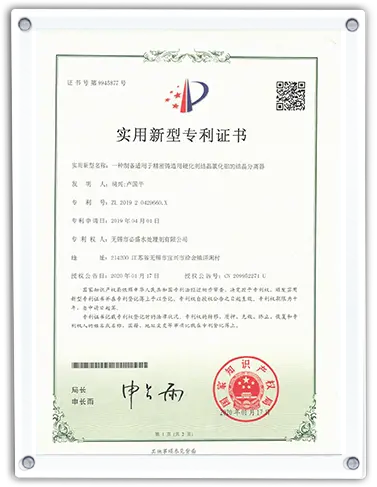
Answers to common questions regarding coagulant basicity, dosage determination, and storage recommendations.
Have questions about chemical compatibility, dosage optimization, or regulatory certifications? Our team of application engineers is ready to assist you. Contact us directly for lab-sample testing or bulk pricing options.
 Direct Hotline: +86 13584221461
 Corporate Inquiry: [email protected]
Fill out the form below, and our technical sales team will reply within 24 hours.
We supply high-purity coagulants and flocculants designed to improve solid-liquid separation and sedimentation velocities across municipal and industrial systems.
Stay informed about global chemical market trends, regulatory shifts, and technology updates from our engineering department.
 Sep 09, 2025
Our company has established a new global distribution network to meet the increasing demand for high-basicity ACH and specialized polymeric water treatment agents across North American and European industrial facilities.
Read Full Article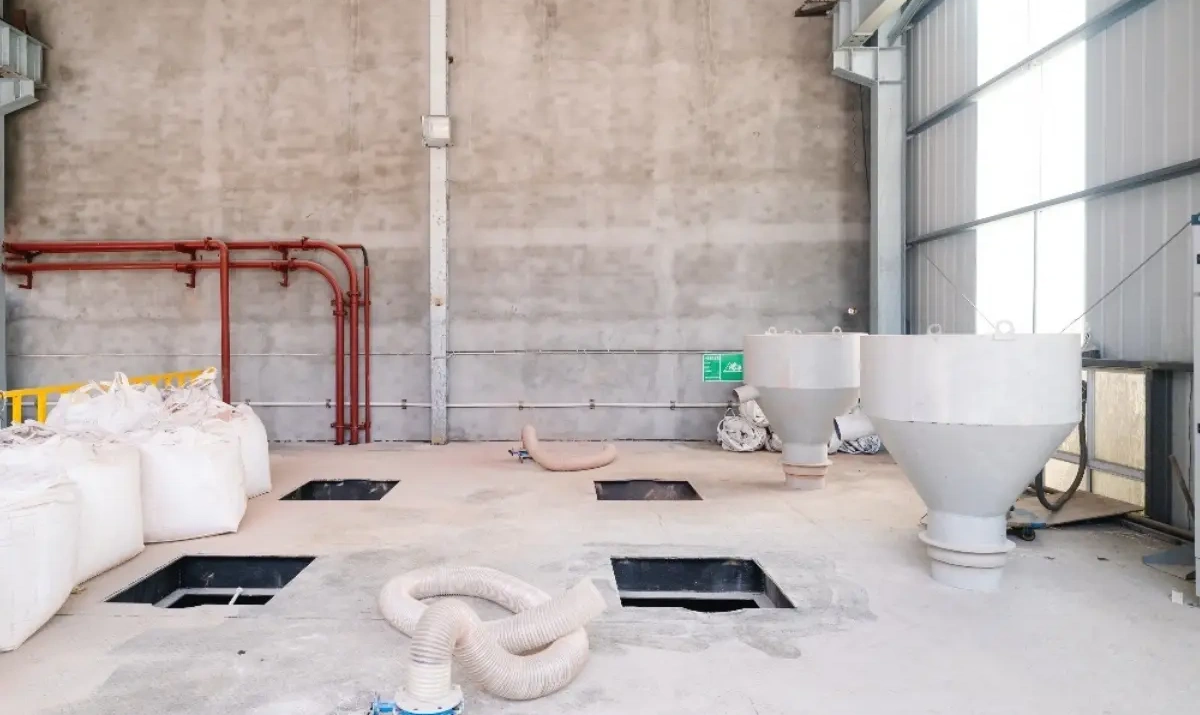
On August 1, 2025, Wuxi BS launched digital intelligent solid feeding equipment, improving batch-to-batch chemical consistency by 25%...
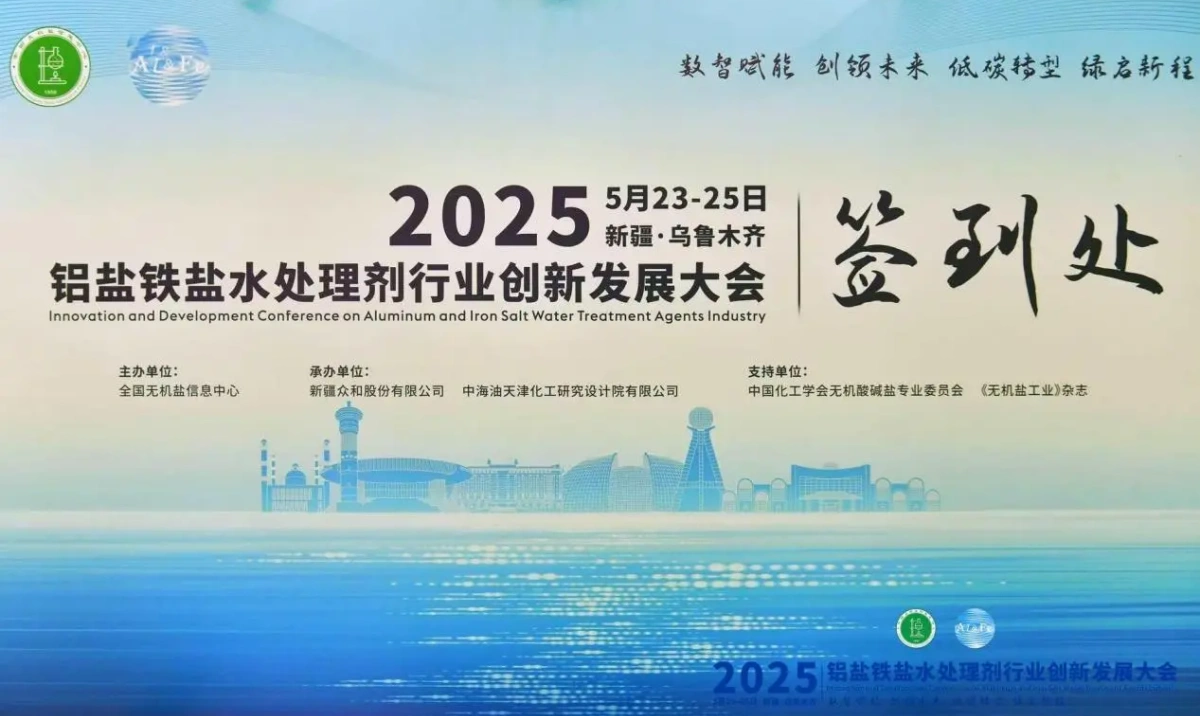
Participating in the national conference for sustainable wastewater treatment, focusing on carbon-neutral chemical processing solutions...
 BS Water