High-purity organic & inorganic agents engineered for optimal coagulation, sedimentation, decolorization, and molecular separation.
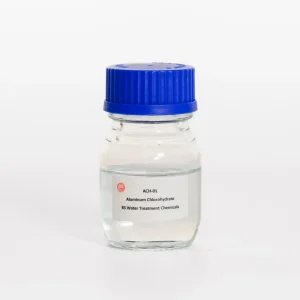
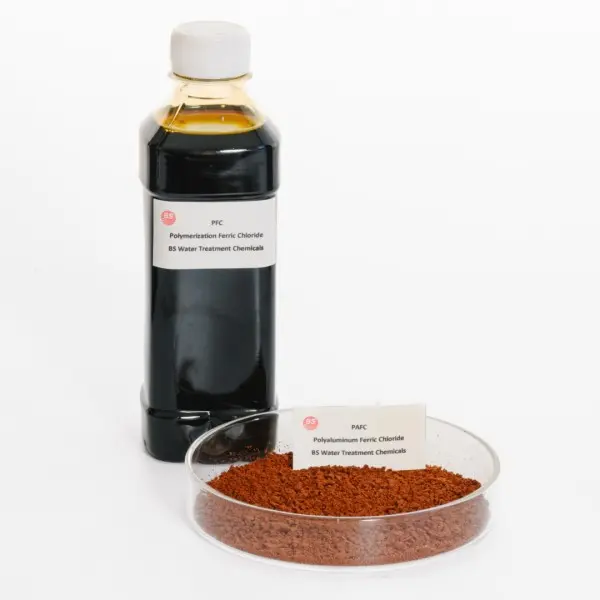
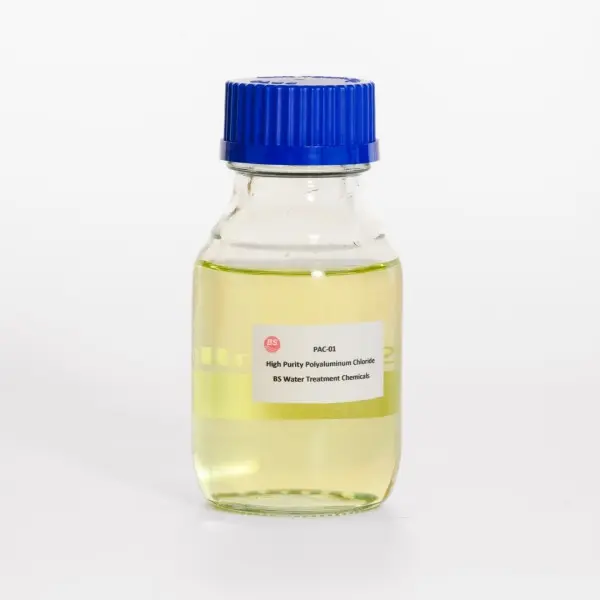
Concentrated inorganic coagulant designed for municipal water systems and high-turbidity industrial effluent treatment.
Read Specifications
High molecular weight anionic polymer optimized for rapid particle sedimentation and solid-liquid separation processes.
Read Specifications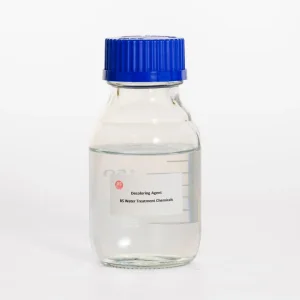
Specialized quaternary ammonium cationic polymer designed to break down chromophores in textile and dye effluents.
Read Specifications
Premium flocculant offering high flocculating efficiency and minimal dosage requirements for general industrial wastewater.
Read Specifications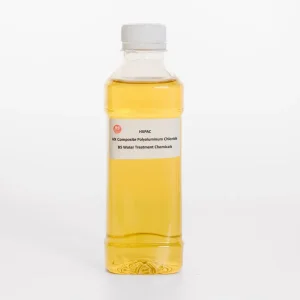
High-charge composite formulation designed to neutralize particulate charges and accelerate macro-floc formations.
Read Specifications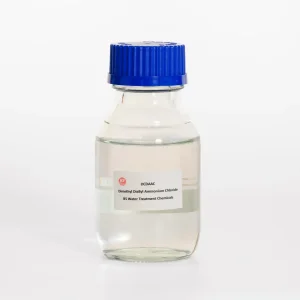
Strong cationic polymer widely utilized in organic sludge conditioning, dewatering, and paper manufacturing aids.
Read Specifications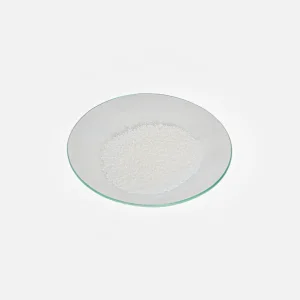
Ideal cationic copolymer featuring exceptional bridging action for organic sludge dewatering in municipal systems.
Read Specifications
Advanced flocculation compound designed to resolve complex organic matrixes and dissolved metallic colloids.
Read SpecificationsA comprehensive review of the physical chemistry and structural engineering of modern CETP (Common Effluent Treatment Plant) facilities.
Modern industrial development requires advanced water management protocols. Rapid urbanization, combined with stricter environmental regulations like the EU's Zero Pollution Action Plan and China's "Action Plan for Prevention and Control of Water Pollution", has transformed effluent treatment from a cost-center into a vital operational priority. A Common Effluent Treatment Plant (CETP) acts as a centralized facility that treats wastewater from multiple industrial units, balancing different pH levels, chemical oxygen demand (COD) profiles, and heavy metal concentrations to ensure uniform environmental compliance.
Developing reliable chemical agents for these operations requires precise molecular design. Raw wastewater from sectors such as textile dyeing, petrochemical processing, papermaking, and metal finishing contains stable colloidal suspensions. Natural gravity settling cannot separate these particles due to their electrostatic repulsion (often measured by negative zeta potential). Centralized treatment facilities must use specialized inorganic coagulants, organic flocculants, and color-removal agents to neutralize these charges and facilitate separation.
Water chemistry varies significantly across different industrial sectors. A successful chemical treatment regimen must be tailored to the specific characteristics of each wastewater stream:
A technology leader with 27 years of experience in water treatment chemicals, serving over 1,000 companies globally.
Understanding the molecular-level chemistry of these water treatment formulations is key to optimizing effluent processes:
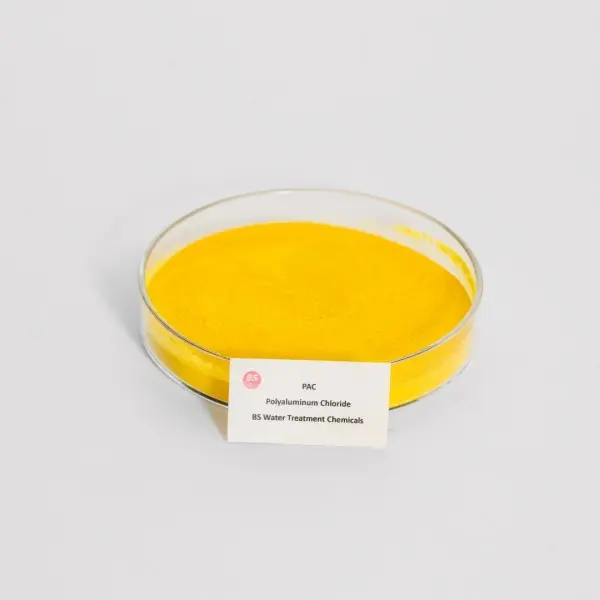
Polyaluminum Chloride (PAC) & Polymeric Aluminium Ferric Chloride (PAFC): Traditional aluminum coagulants hydrolyze rapidly into mononuclear species in water. In contrast, PAC contains pre-formed polynuclear aluminum complexes, such as the Al13 Keggin ion [Al13O4(OH)24(H2O)12]7+. This high charge density makes PAC highly effective at neutralizing suspended colloids. Incorporating ferric ions into PAFC creates dual-center polymerization, resulting in larger, denser flocs that settle quickly, even in low-temperature water where traditional alum coagulants perform poorly.
Polyacrylamide (PAM) Molecular Architecture: Polyacrylamide is a linear polymer made of acrylamide monomers. By co-polymerizing with charge-bearing molecules, manufacturers produce either anionic (APAM) or cationic (CPAM) variants. APAM uses carboxyl groups to bind and bridge suspended minerals. CPAM uses quaternary ammonium groups to destabilize negatively charged organic sludge. Adjusting the polymer's molecular weight (from 5 million to over 22 million Daltons) and charge density (from 5% to 80%) allows operators to optimize performance for different industrial sludge types.
Located in the chemical manufacturing corridor of Wuxi, China, Wuxi BS Water Treatment Chemicals Co., Ltd. operates a highly integrated supply chain. With an annual production capacity exceeding 500,000 tons, the facility is designed to withstand supply chain disruptions and maintain consistent delivery to international markets. The on-site 20,000-ton warehouse ensures a buffer stock of key raw materials and finished products, insulating global distributors and end-users from sudden market spikes or logistics delays.
Quality control is managed through real-time automated monitoring. Inductively Coupled Plasma (ICP) spectroscopy and laser diffraction particle size analysis verify the composition of each batch of high-basicity ACH and PAC before shipping. This consistent quality prevents chemical dosing system failures, helping treatment plants avoid expensive downtime or compliance issues.
Decades of continuous research, capacity scaling, and global expansion.
Additional products designed to optimize industrial wastewater and process water cycles.
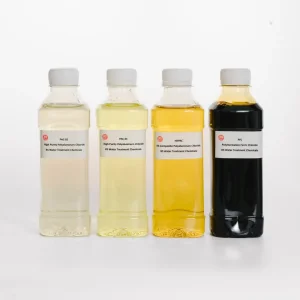
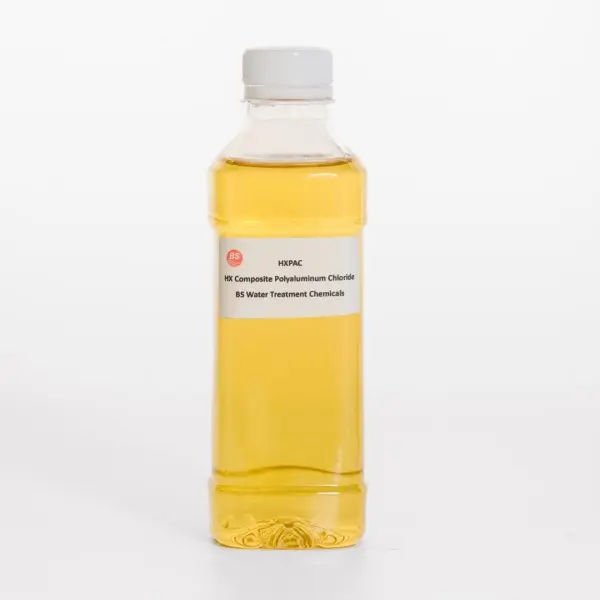
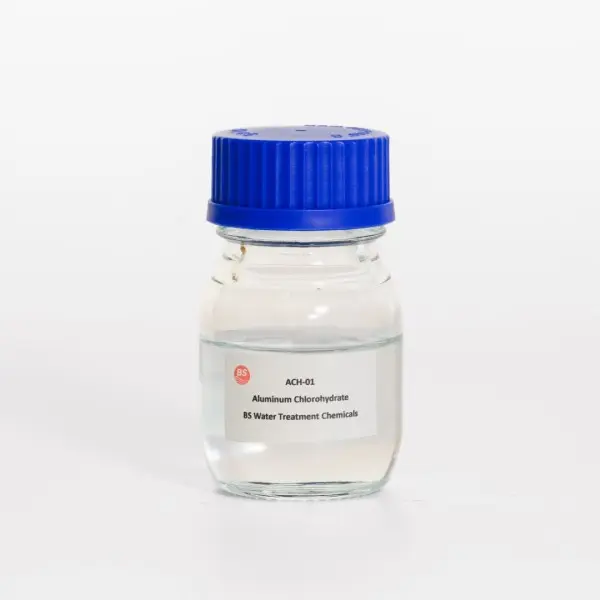
Clear to light yellow solution containing 10%-15% active Al2O3, designed for immediate dosing without dissolution steps.
Read Specifications
High-efficiency chemical formulation designed for rapid flocculation in municipal water facilities.
Read Specifications
Concentrated organic polymer optimized for treating highly colored effluents from paper mills and textile plants.
Read Specifications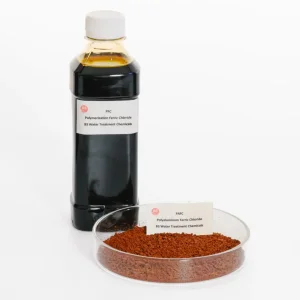
Hybrid polymer combining aluminum charge neutralization with iron's bridging capacity for rapid sediment settling.
Read Specifications
Highly concentrated liquid coagulant designed to treat cosmetic-grade process water and pharmaceutical effluents.
Read Specifications
Engineered for wastewater streams with high levels of organic matter, offering wide pH performance limits.
Read Specifications
Cost-efficient inorganic polymer designed to replace alum in heavy industrial effluent systems.
Read Specifications
Industrial-grade liquid PAC formulated for consistent dosing control in high-flow municipal wastewater systems.
Read SpecificationsQuick access to our specialized chemical categories and formulations.

Founded in 1998, Wuxi BS Water Treatment Chemicals Co., Ltd. has grown from a regional producer into an international supplier of advanced water treatment formulations. Specializing in chemicals for both municipal drinking water and complex industrial wastewater treatment, the company blends years of operational experience with advanced chemical synthesis.
Our manufacturing infrastructure uses digital control loops to monitor critical reaction metrics like polymerization temperatures, basicity adjustments, and monomer conversions. This focus on process control ensures stable product performance, helping treatment plants maintain consistent, compliant operations.
Explore Our CertificationsOur products are formulated to meet the demanding requirements of various industrial and municipal water systems.
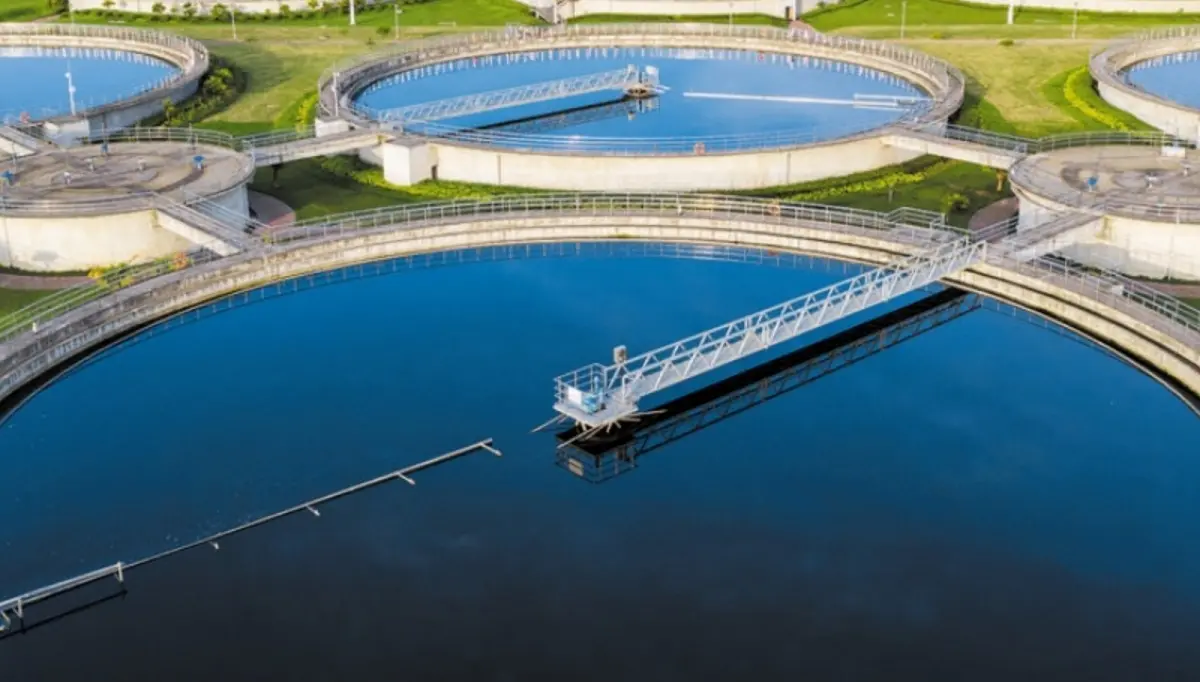
Advanced coagulation and flocculation systems that lower total suspended solids (TSS) and biological oxygen demand (BOD) to meet municipal standards.

De-emulsification and oil-water separation systems designed to handle complex oily wastes and heavy chemical pollutants.
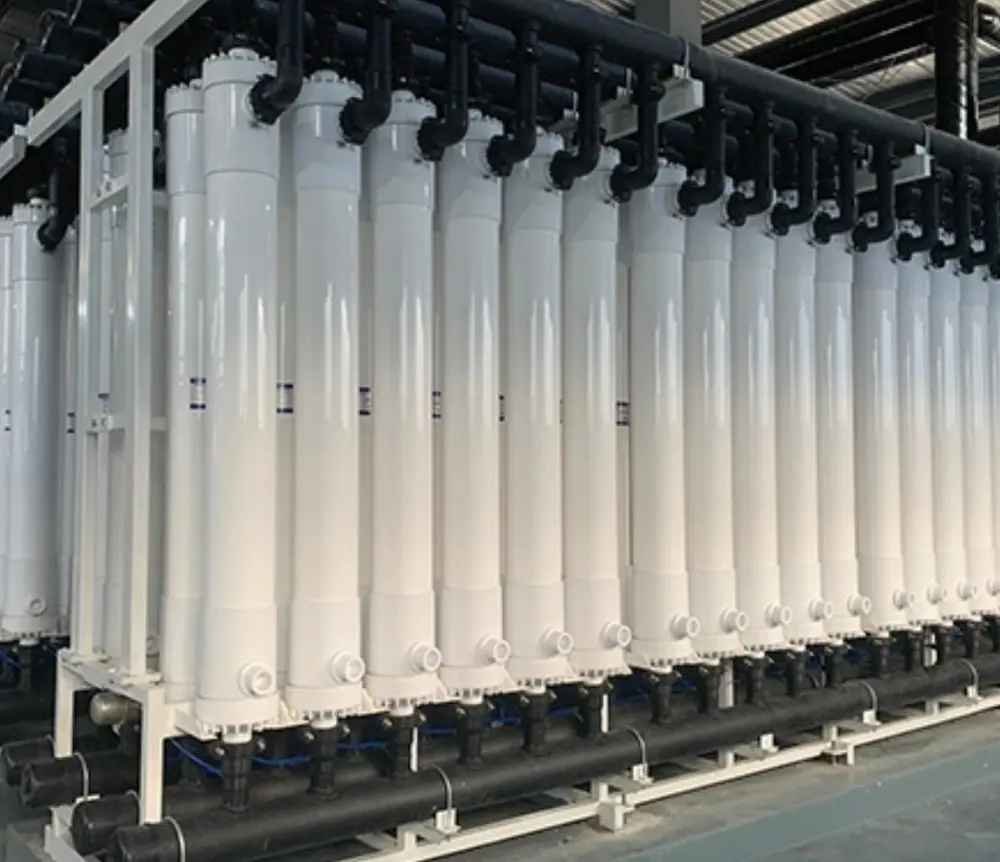
Optimized coagulation steps that remove colloidal foulants, extending the operational life of reverse osmosis (RO) membranes.
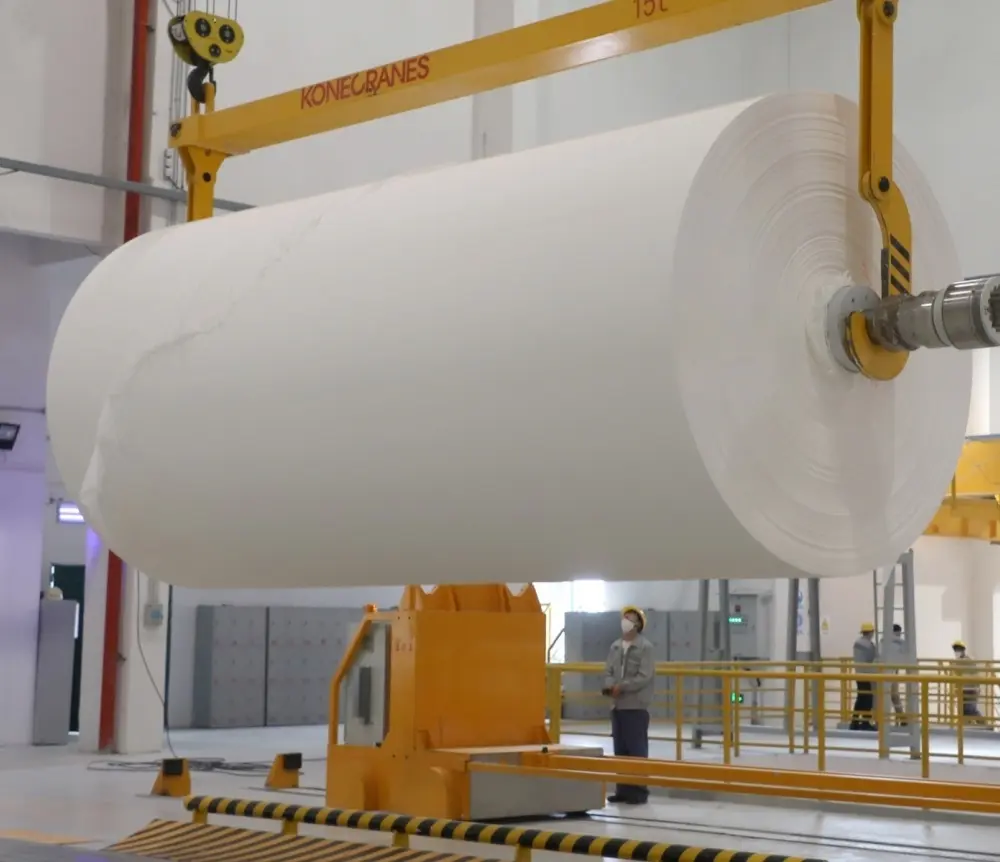
High-efficiency retention polymers that capture fine fibers and fillers, improving paper quality and closing white-water loops.
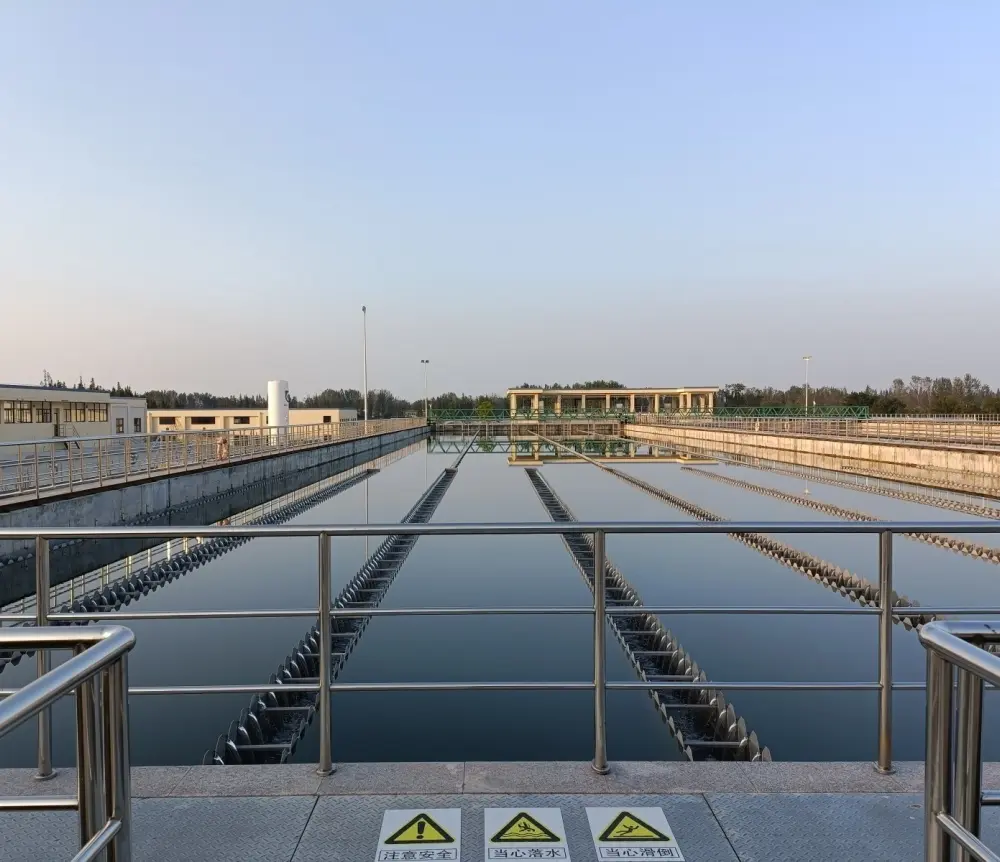
High-purity coagulants with low chemical residuals, formulated to meet strict global drinking water safety standards.
Answers to common technical questions from water engineers and plant operators.
Our engineering team can assist you with product selection, jar tests, and chemical dosage optimization for your treatment facility.
Stay informed on our manufacturing updates, research papers, and technical announcements.
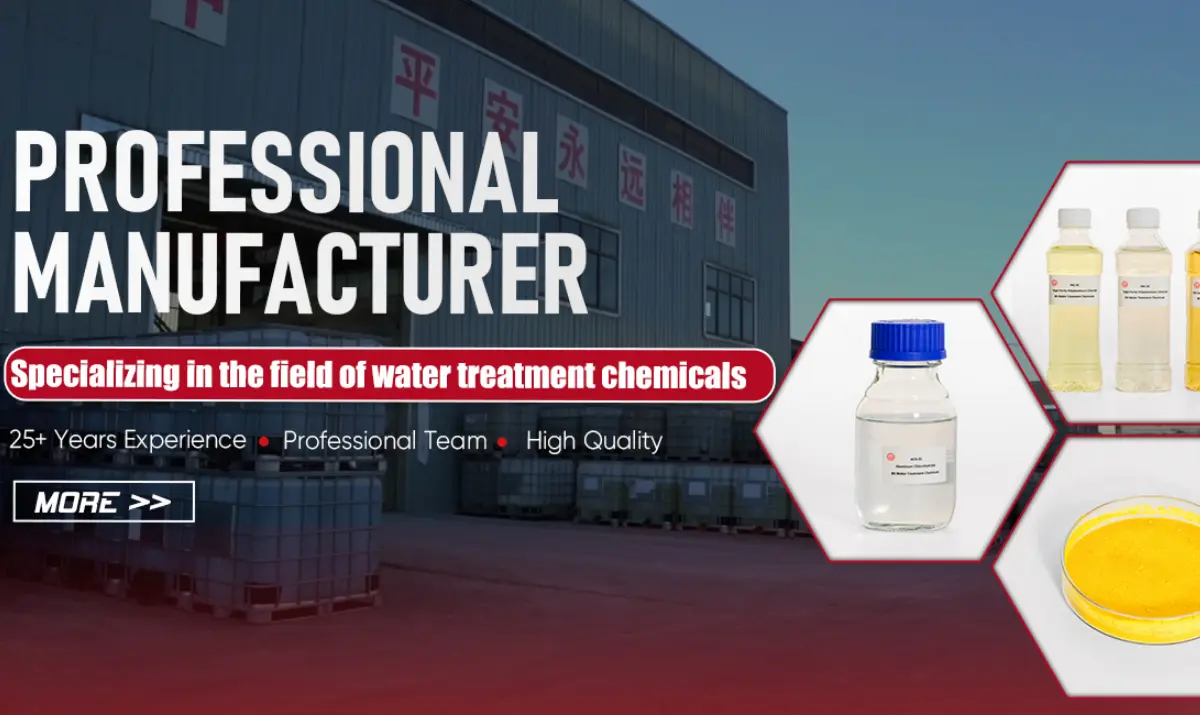
An overview of our expanded export infrastructure and international partnerships supporting global industrial wastewater management.
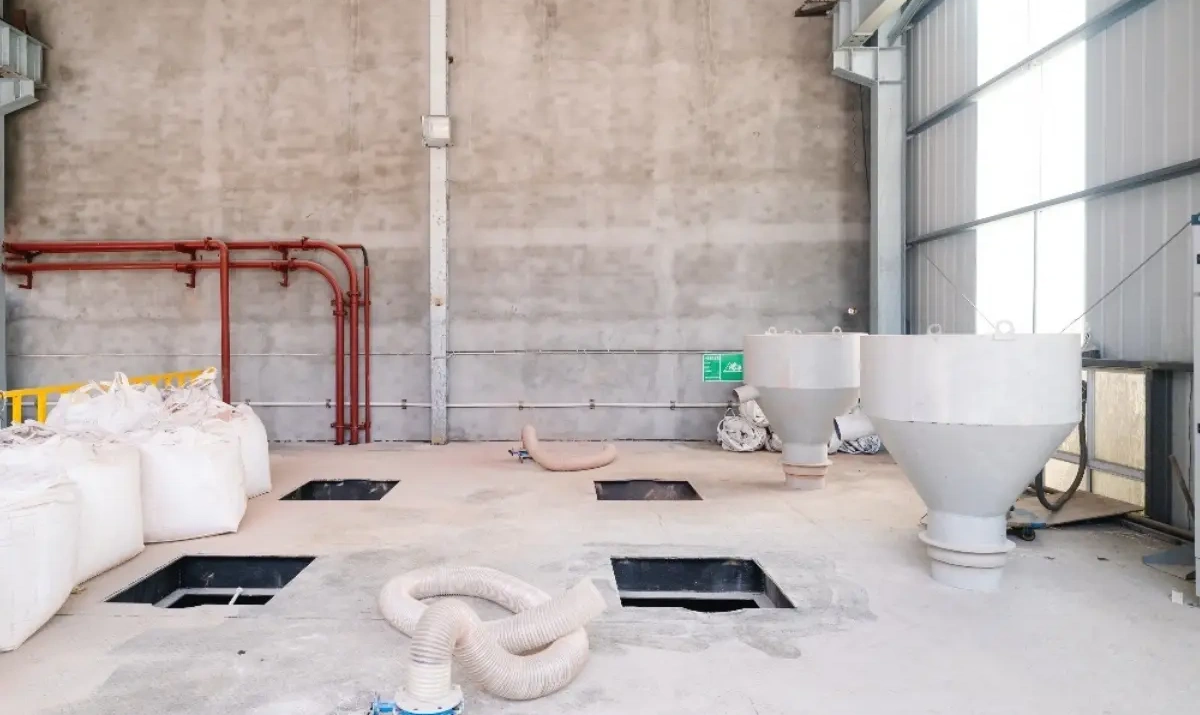
Detailing our automated chemical feeding systems that improve dosing accuracy and minimize chemical waste in water treatment operations.
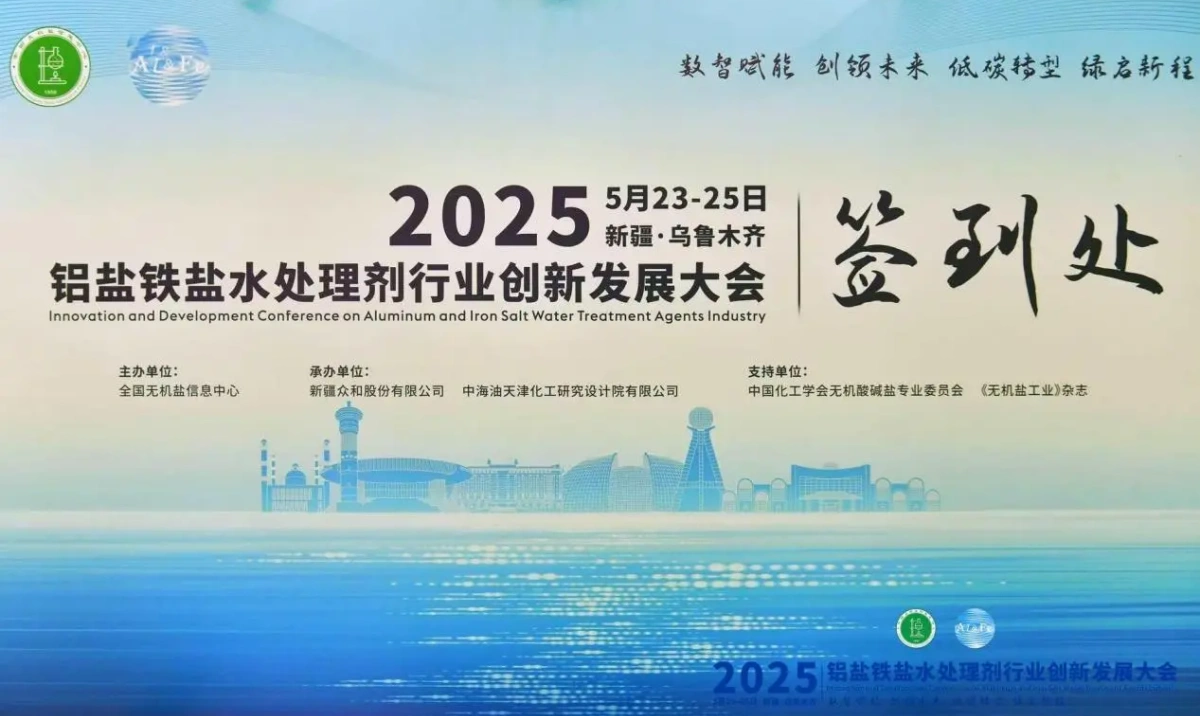
Key insights on sustainable manufacturing and low-carbon production models for aluminum-based water treatment agents.
 BS Water