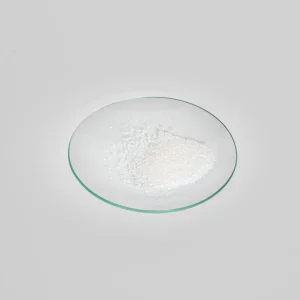
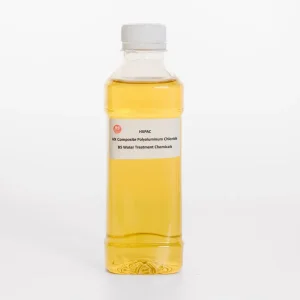
Modern sewage treatment plants have evolved beyond simple mechanical and biological filtration operations. Today, they function as resource recovery centers embedded within the global circular economy framework. Confronted with stringent regulatory requirements, plants must achieve extreme particulate separation and organic contaminant reduction. Consequently, optimization has shifted toward precision chemical engineering. Using high-basicity coagulants, organic polymer flocculants, and advanced decolorizers is critical for ensuring discharge compliance and municipal safety.
Current industry developments prioritize carbon-neutral wastewater treatment. This approach involves reducing chemical dosages while maximizing turbidity removal and sludge dewatering rates. The adoption of advanced chemical formulations enables plants to operate at lower chemical-to-sludge ratios, minimizing waste and lowering transport and disposal costs. This chemical efficiency helps municipal and industrial operators meet environmental goals while managing cost pressures.
B2B buyers, EPC contractors, and municipality boards require reliable supply chains, consistent chemical purity, and proven environmental compliance. Chemical raw materials must meet international quality controls such as ISO 9001 and ISO 14001. Purity parameters, active ingredient percentages, and stability under temperature fluctuations are critical factors evaluated during procurement.
To mitigate shipping risks, global buyers seek manufacturers capable of packaging dry powders and stable liquid solutions for long-distance transit. Modern suppliers must offer flexible OEM/ODM options to customize active concentrations, basicity levels, and molecular weights. Custom sizing and formulation ensure optimal performance in specific plant designs, temperatures, and water profiles.
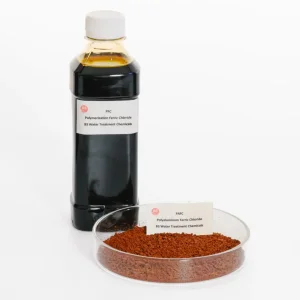
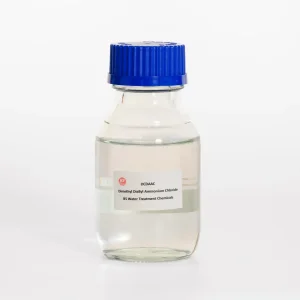
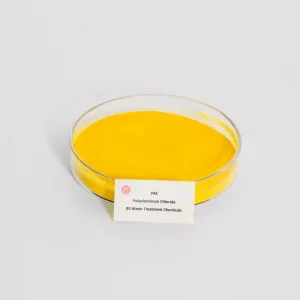
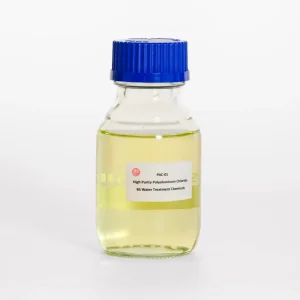
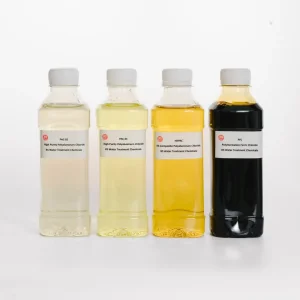
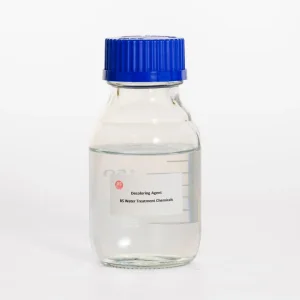
Achieving target effluent properties requires applying specific chemical coagulants and flocculants designed for municipal and industrial wastewater:
Overdosing chemicals increases operational costs and generates excess sludge. Underdosing leads to regulatory compliance risks. Leading water treatment producers are integrating digital, intelligent dosing technologies to optimize chemical additions. Real-time monitoring systems use sensors to measure incoming turbidity, flow rate, pH, and zeta potential. This data feeds into control algorithms that adjust chemical pumps in real time.
Additionally, modern chemical plants focus on reducing their carbon footprint. Production processes leverage waste-heat recovery, low-dust granular formats, and highly active liquid options to lower shipping weights and environmental impact.
A Technology Leader with 27 Years of Expertise in Water Treatment Chemicals
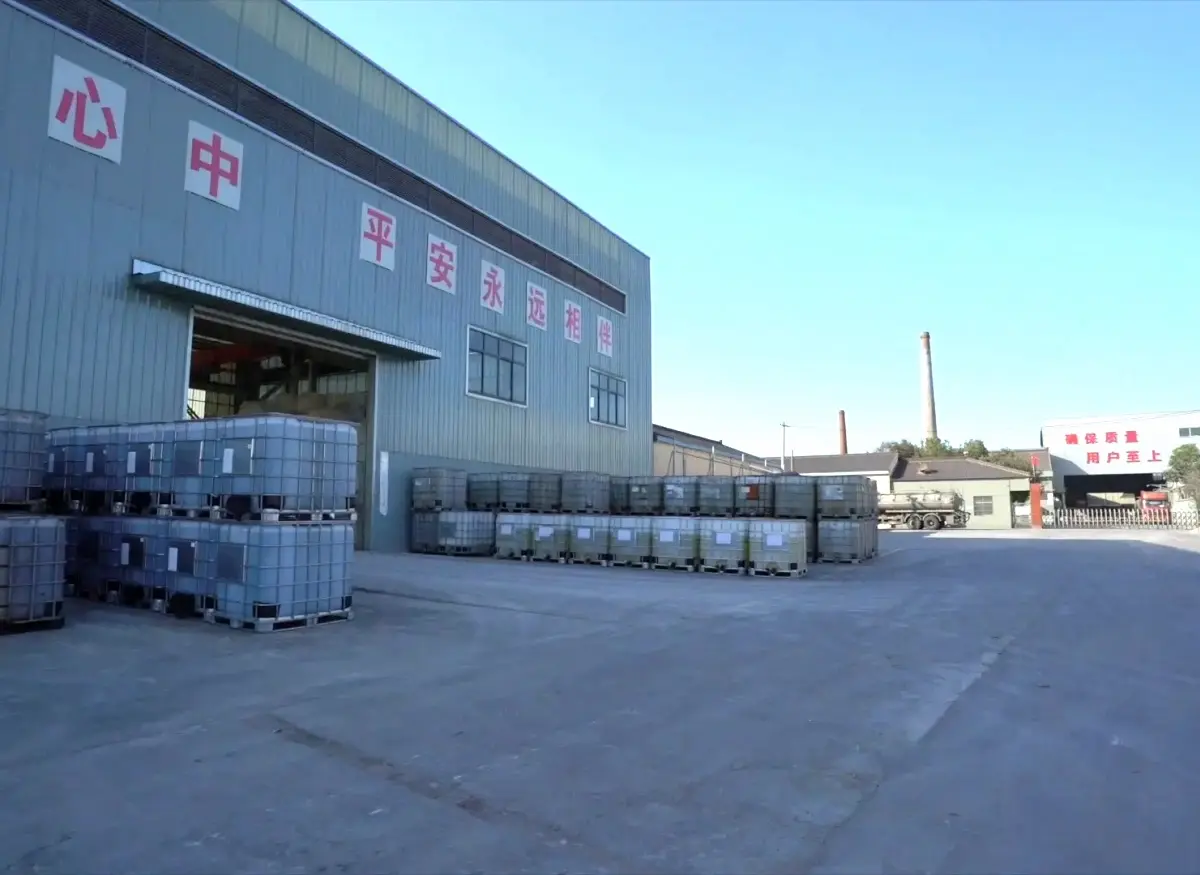
Founded in 1998, Wuxi BS Water Treatment Chemicals Co., Ltd. manufactures specialized chemistry solutions for municipal drinking water, industrial process water, and wastewater treatment plants. Leveraging advanced production technology and quality management systems, we provide high-purity coagulants, flocculants, and decolorizing agents designed for modern wastewater facilities. Our chemical formulations help industrial and municipal operators around the world improve clarification, filter performance, and sludge dewatering.



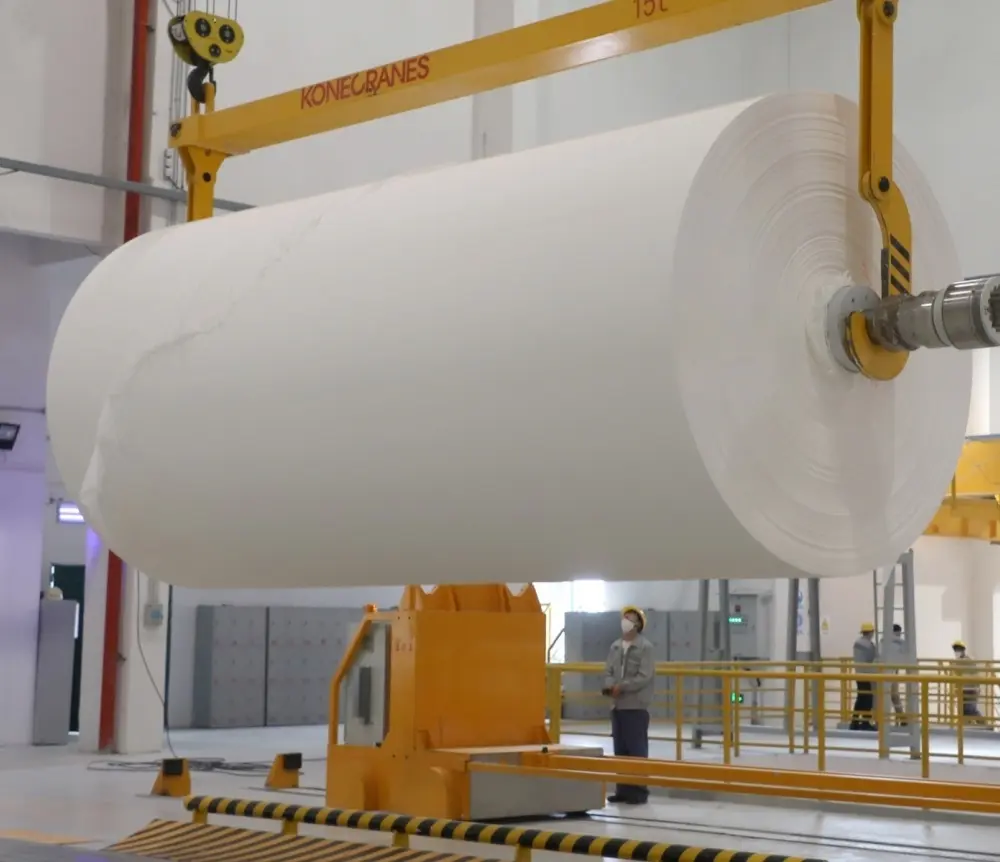
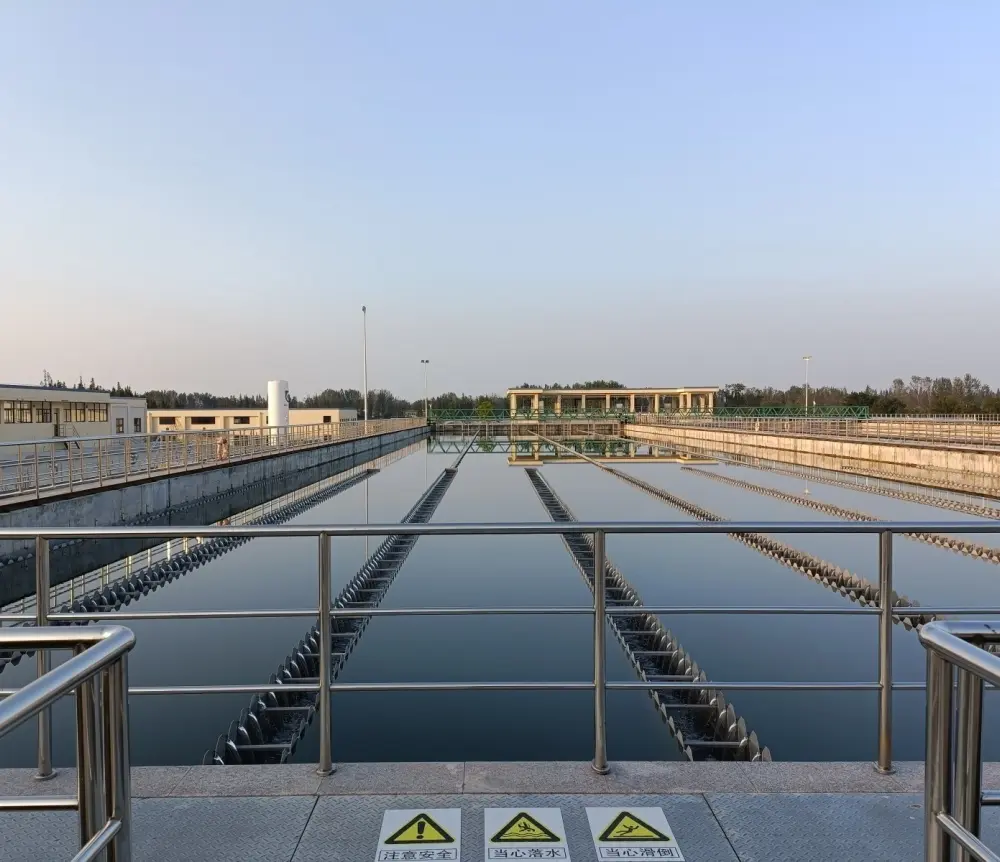

Experienced chemical engineers provide comprehensive laboratory analyses, jar testing, and site-specific dosage optimization services.

Annual production exceeding 500,000 tons, supported by a 20,000-ton warehouse to ensure consistent supply and buffer stock.

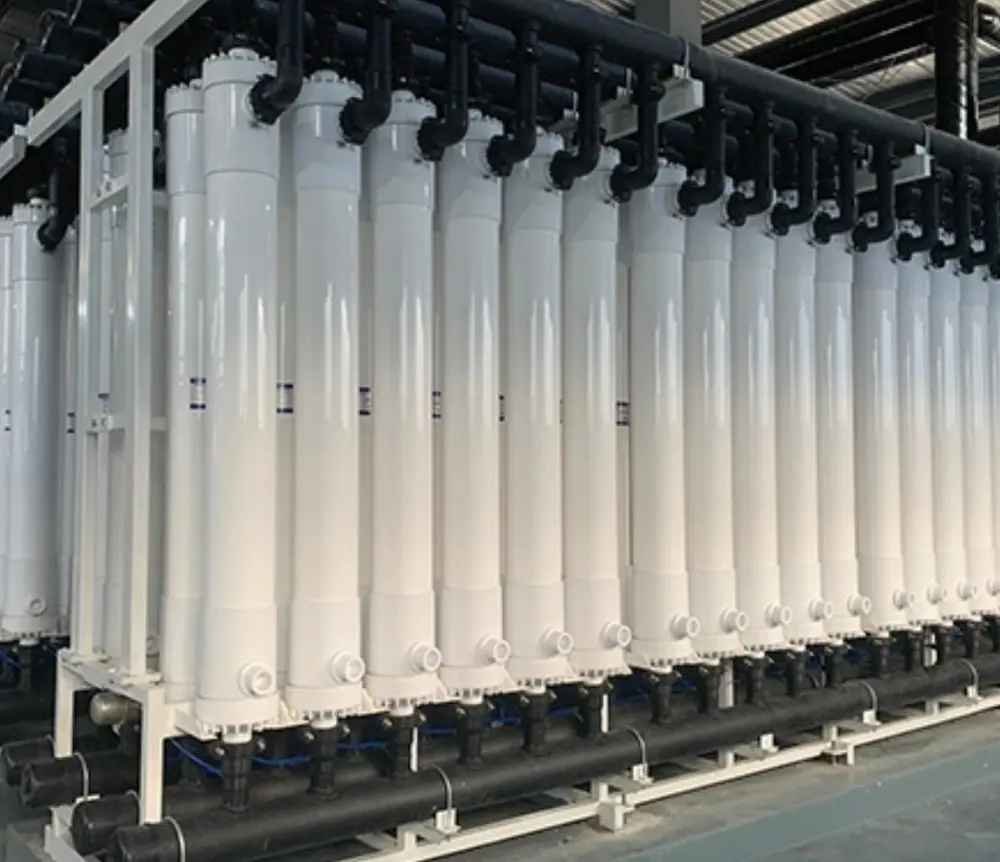
Automated, digitalized production lines ensure consistent product metrics, batch traceability, and high quality control standards.

Continuous investment in research and development keeps our polymer chemistry aligned with international safety regulations.
Manufacturing Plant Established
Renamed to Wuxi Bisheng Water Treatment Agent Co., Ltd.
Global Export Operations Began
Annual Export Sales Exceeded $10M USD
Established Dedicated Foreign Trade Division
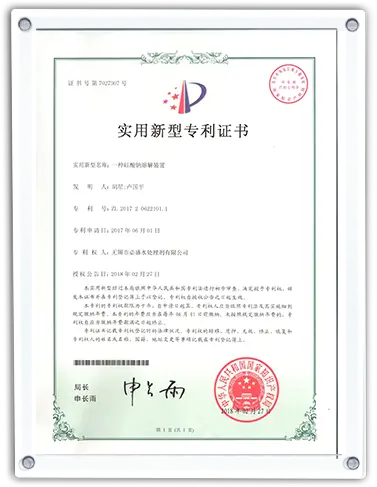
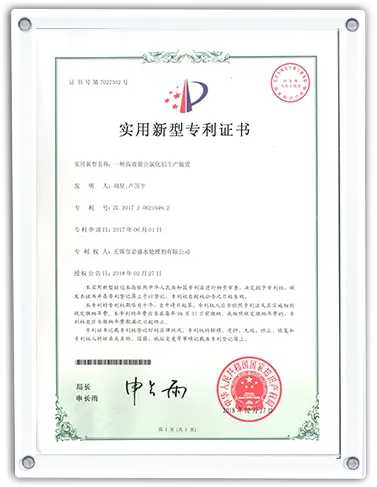
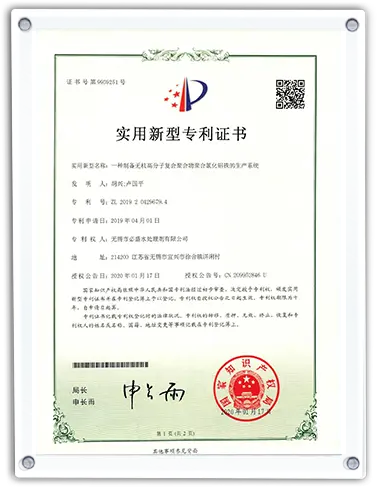
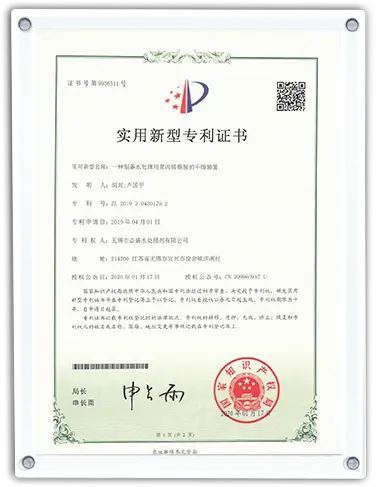
Connect with our technical engineers to request product samples, obtain safety data sheets (SDS), or consult on water quality and optimal chemical dosing.
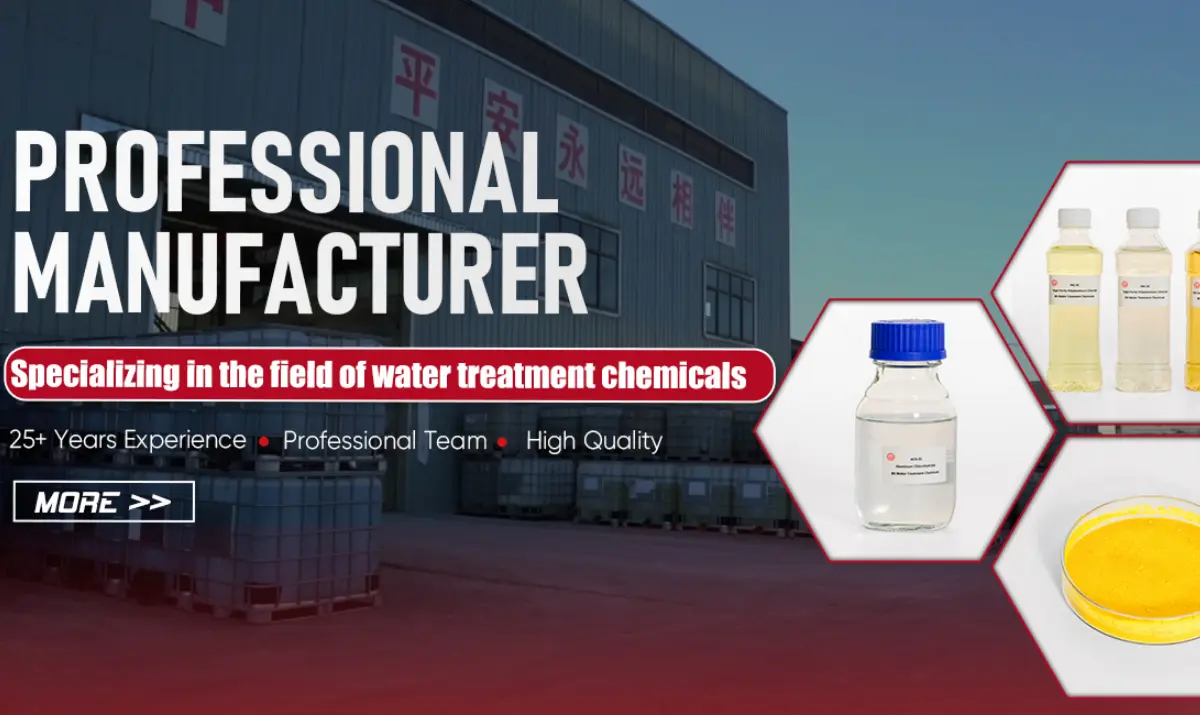
Expanding manufacturing sites to support overseas demand for high-basicity PAC and high-molecular-weight polymer flocculants.
Read Article →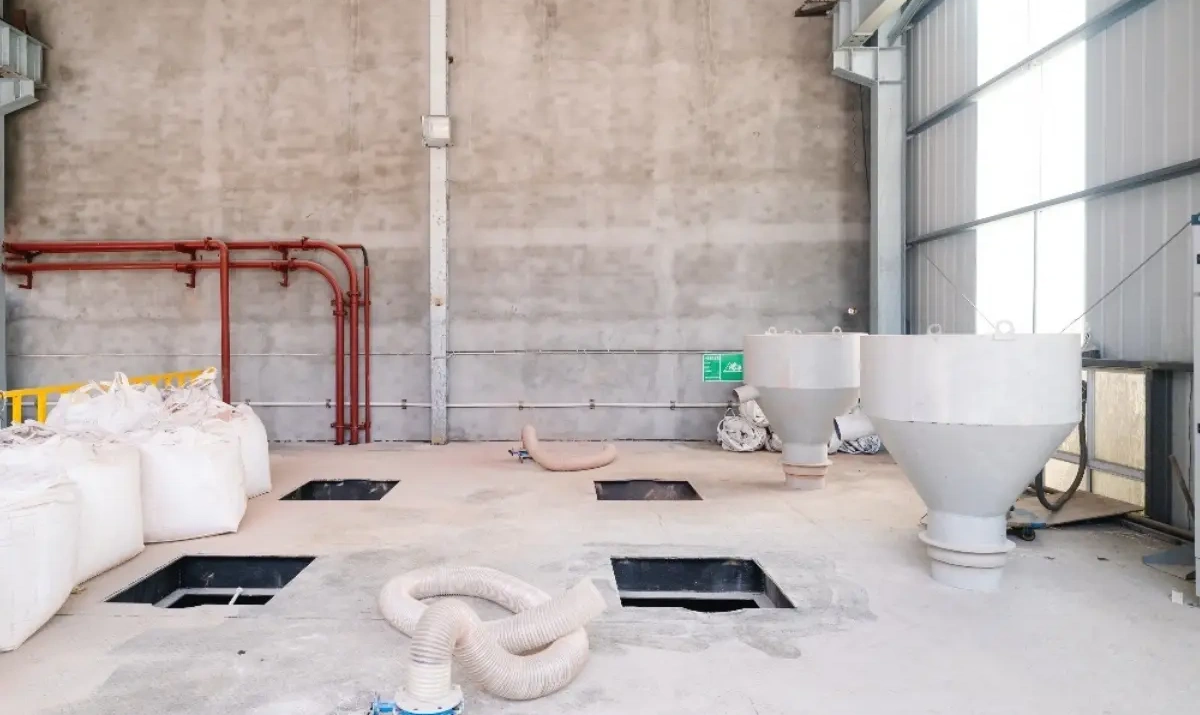
Integration of precision feeding equipment to assist plant managers in controlling overall chemical costs.
Read Article →
Key industry leaders focus on carbon reduction in raw material sourcing and polymer optimization.
Read Article →
 BS Water

