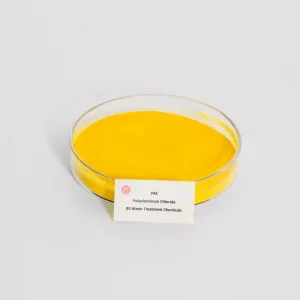
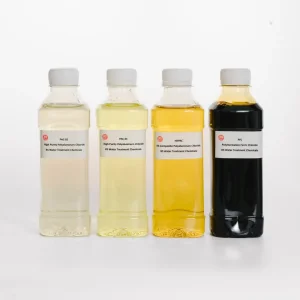
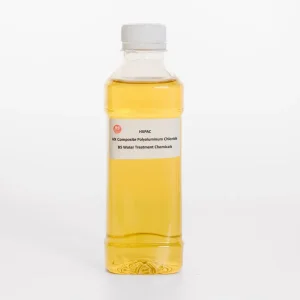
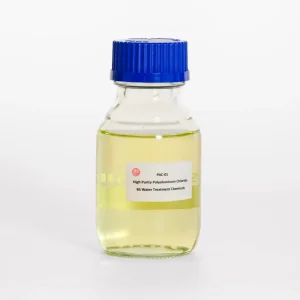
Explore our elite polymer families formulated for rapid sedimentation, heavy metal binding, and micro-floc aggregation.
A Technical Review of Flocculation kinetics, Polymeric Ionization, and Synthesis Standards in China’s Chemical Manufacturing Hubs
Water purification and industrial wastewater reclamation have moved far beyond basic physical filtering. In the face of intensifying global water scarcity and rigorous ESG (Environmental, Social, and Governance) targets, advanced polymeric chemicals represent the cornerstone of municipal sewage treatment, industrial effluent reclamation, and closed-loop process water systems. Globally, the demand for high-efficiency coagulants and flocculants is driven by the rapid growth of high-turbidity municipal inputs, coal-preparation wastewater, petroleum extraction, and textile dye reclamation.
China has established itself as the global epicentre for the research, development, and mass synthesis of poly-electrolytes. Driven by raw material integration, high-capacity reaction vessels, and advanced crystallization processes, Chinese manufacturers supply a significant percentage of the global consumption of polyacrylamides and inorganic coagulants. The production paradigm is transitioning from high-volume, generic salts to high-purity, structurally engineered polymers designed to function under extreme pH, thermal, and ionic strength fluctuations.
Understanding the exact thermodynamic mechanism of polymers in suspension is key to process optimization. Suspended solids and colloidal matter in wastewater carry a net negative surface charge, measured as zeta potential. This negative charge generates electrostatic repulsion, preventing small particles from coalescing.
| Polymer Class | Predominant Mechanism | Optimal pH Window | Key Applications |
|---|---|---|---|
| Anionic Polyacrylamide (APAM) | Bridging Flocculation / Shear Resistance | 6.0 - 9.0 | Mining tailings, coal washing, metallurgy, paper sizing |
| Cationic Polyacrylamide (CPAM) | Charge Neutralization + Bridging | 4.0 - 8.5 | Municipal sludge dewatering, organic wastewater treatment |
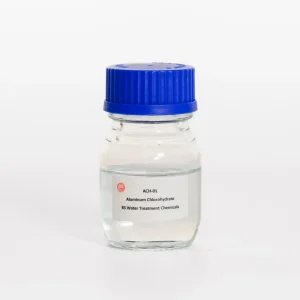
| Aluminum Chlorohydrate (ACH) | High charge neutralization (Basicity ~83%) | 5.5 - 9.0 | High-purity drinking water, cosmetics, paper retention |
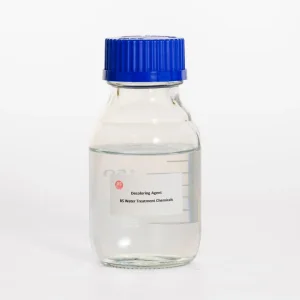
| Water Decolorizing Agent (WDA) | Dicyandiamide-formaldehyde color complexing | 3.0 - 10.0 | Textile dyeing effluent, pulp printing deinking |
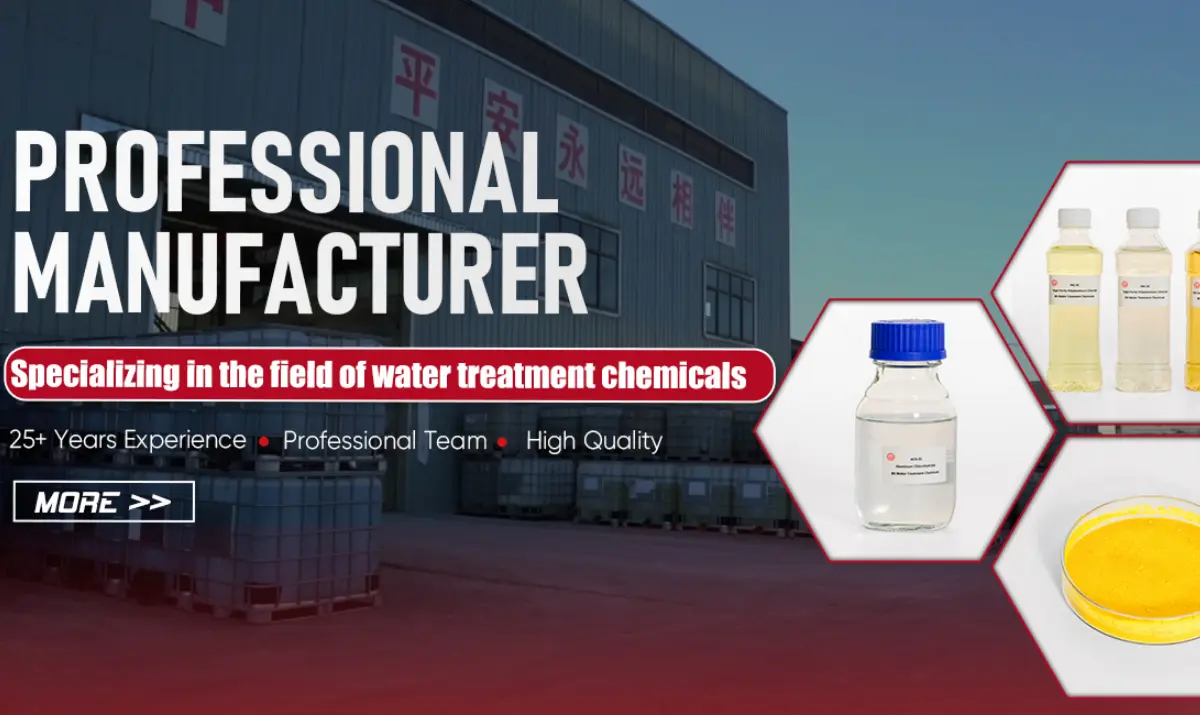
Founded in 1998, Wuxi BS Water Treatment Chemicals Co., Ltd. operates at the forefront of polymer science. We specialize in producing a comprehensive portfolio of water treatment chemicals for the purification of drinking water, domestic sewage, and highly complex industrial wastewater. By integrating digital solid feeding technology, smart reactor management, and ISO-certified quality control protocols, we guarantee batch stability and superior active ingredient content compared to conventional raw chemical brokers.
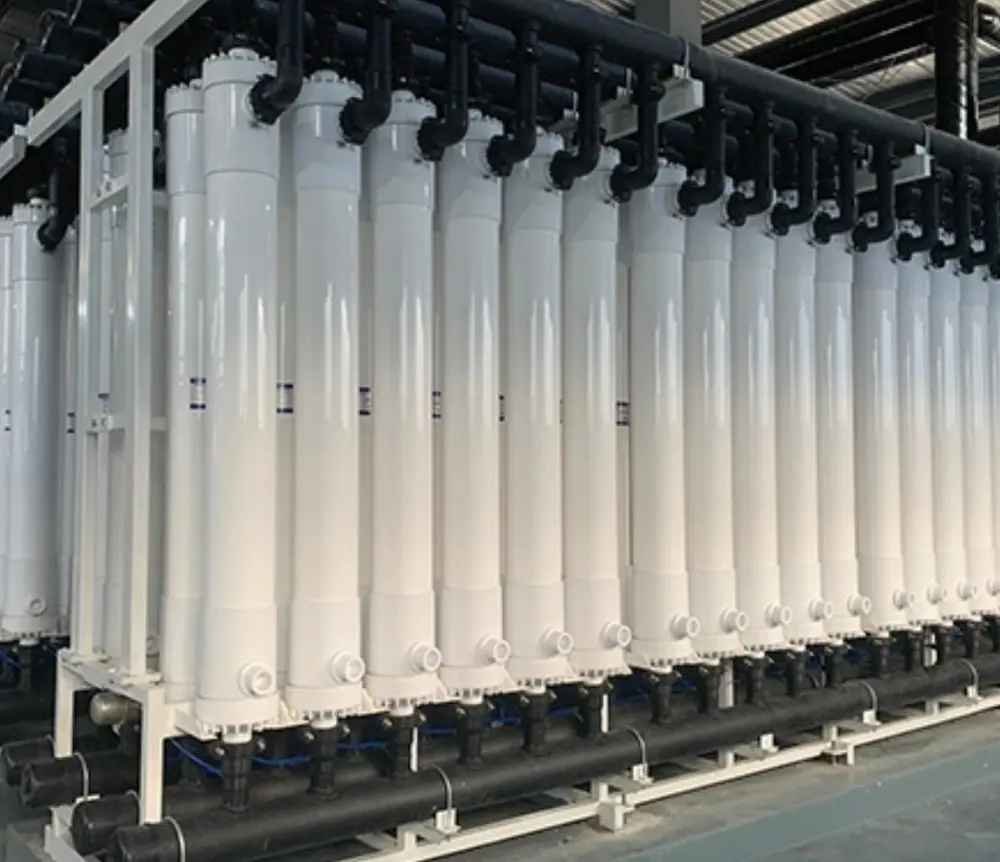
Our production facility utilizes automated, multi-stage polymerization lines capable of synthesizing high-basicity inorganic salts and tailored organic flocculants. We offer complete analytical support, including zeta potential analysis, jar testing, and sludge filtration resistance diagnostics, helping our global distribution partners deliver precise formulations.
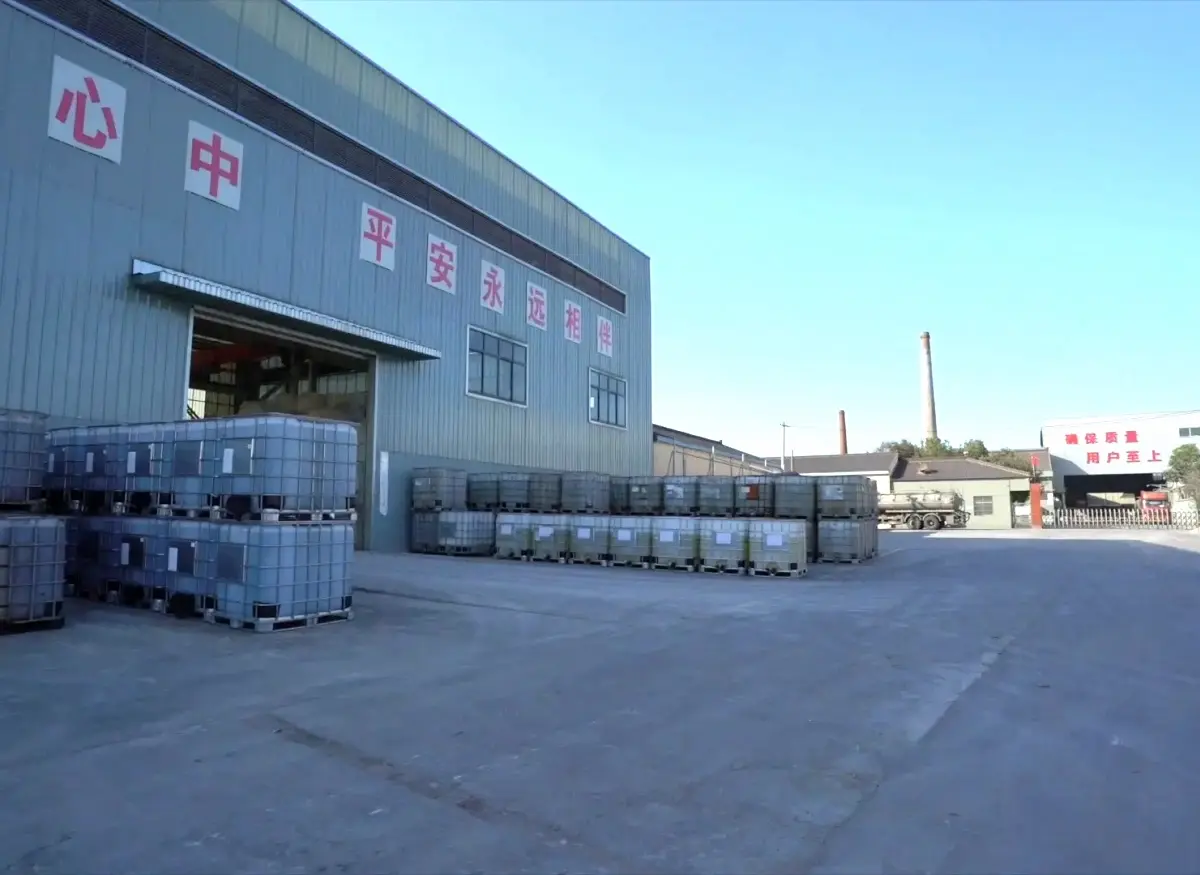
Polymers are highly matrix-dependent. A formulation that yields rapid settling in municipal wastewater may fail entirely in high-salinity oilfield produced water. Below, we examine the specific industrial requirements where Wuxi BS polymer configurations provide optimal economic and mechanical returns.
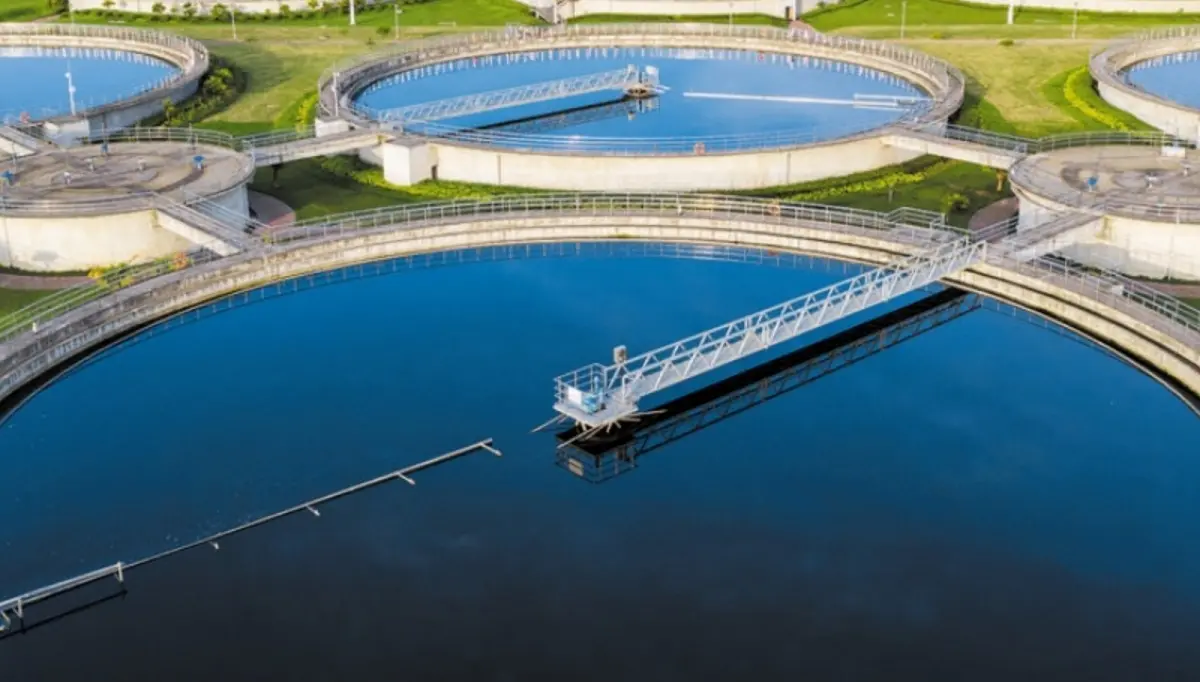
Municipal wastewater treatment facilities operate under constant volumetric pressure. During the primary and secondary clarification stages, the addition of medium-charge Cationic Polyacrylamide (CPAM) is critical to increase solid settling rates in clarifiers. In the final sludge dewatering phase—whether using belt presses, screw presses, or decanter centrifuges—high-charge CPAM is introduced to break the bound water within the biological sludge, releasing capillary water and generating dry, low-moisture filter cakes, which reduces disposal transportation costs.
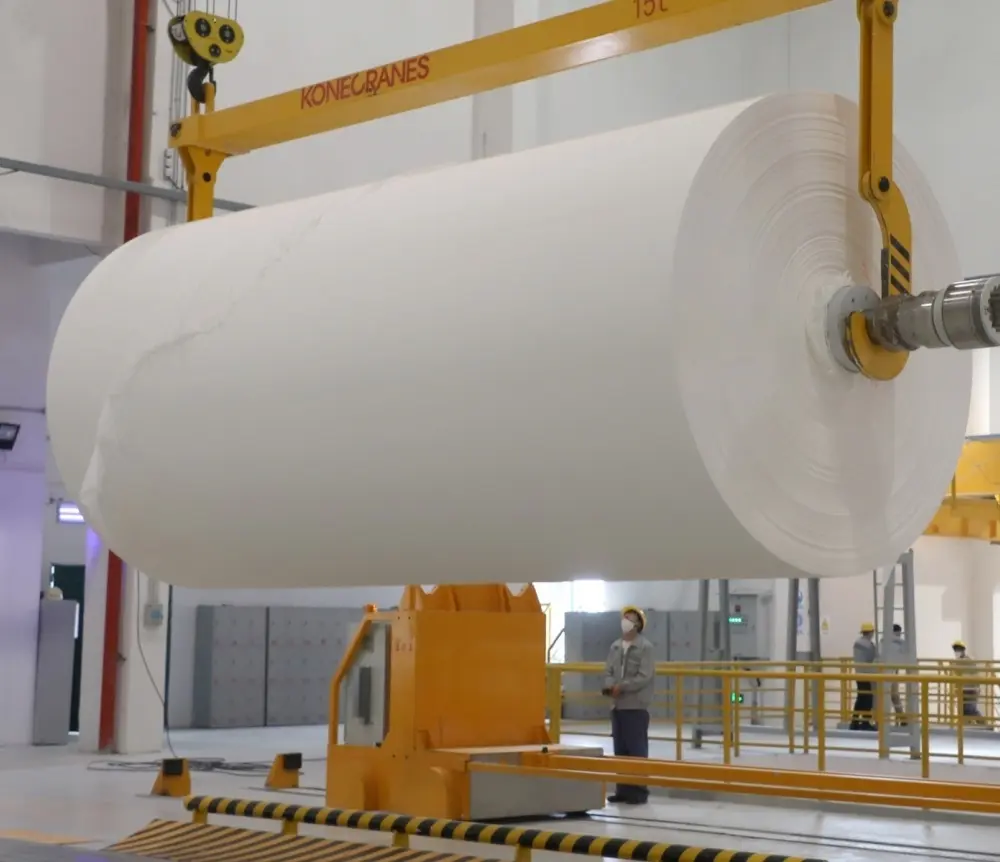
Modern papermaking runs at speeds exceeding 1,500 meters per minute. At these velocities, retaining fine fibers, inorganic fillers (like titanium dioxide and calcium carbonate), and sizing agents on the forming wire is a major engineering challenge. Wuxi BS provides a micro-particle retention system using dual-polymer setups: high-molecular-weight anionic polyacrylamide combined with highly cationic inorganic compounds like ACH or PAC. This configuration improves retention, optimizes sheet formation, and reduces BOD/COD loads in the whitewater loop.
In the oil and gas industry, water is both a tool and a waste byproduct. Anionic polyacrylamide (APAM) polymers with high thermal stability and shear resistance are used in polymer flooding to modify the mobility ratio of injected water, pushing trapped crude out of rock matrices. Furthermore, in hydraulic fracturing, low-viscosity friction reducers (slickwater polymers) are formulated to reduce turbulent friction losses in pipes, lowering the surface horsepower required to fracture deep geologic formations.
Industrial textile mills, printing plants, and dye chemical companies generate wastewater laden with reactive, acid, and disperse dyes. These recalcitrant organic structures cannot be degraded by traditional biological systems alone. Our dicyandiamide-formaldehyde Water Decolorizing Agent (WDA) features a high density of cationic active sites that attract and neutralize the anionic sulfonic acid groups present on dye molecules, initiating rapid charge destabilization and precipitation.
A comprehensive overview of our core molecular ranges and product specifications
High-purity spray-dried white and yellow powders. Excellent performance in low-temperature, low-turbidity raw water. Minimal dust generation, no caking, and rapid dissolution properties.
Our highest basicity (83%) inorganic polymer. Maximizes charge neutralization capacity, reduces the volume of sludge generated, and minimizes pH fluctuations in treated water.
Anionic, cationic, and non-ionic dry powders and emulsions. Engineered molecular weights up to 22 million Daltons for high shear stability and optimum bridging efficiency.
A specialized cationic organic polymer designed for complex industrial wastewater, offering rapid decoloration of effluents containing high concentrations of soluble dyes.
Poly(diallyldimethylammonium chloride) liquid. Broad pH tolerance, high charge density, and compatibility with inorganic coagulants for combined treatment programs.
Leverage our integrated production capabilities and customized packaging options for international markets.
Our dedicated engineering department provides custom chemical diagnostics, including jar-testing simulation and charge determination, tailored to specific wastewater matrices.
Wuxi BS processes and dispatches more than 500,000 tons of liquid and powder chemicals annually, backed by a persistent finished goods storage reserve exceeding 20,000 tons.
Our proximity to deep-water shipping lanes and robust chemical freight terminals ensures predictable container logistics, custom packaging, and comprehensive regulatory documentation.
Through continuous iteration of raw material preparation and catalytic polymerization, we produce high-purity variants designed to reduce the chemical footprint of industrial sites.
Delivering high-efficiency polymer formulations designed for critical industrial sectors

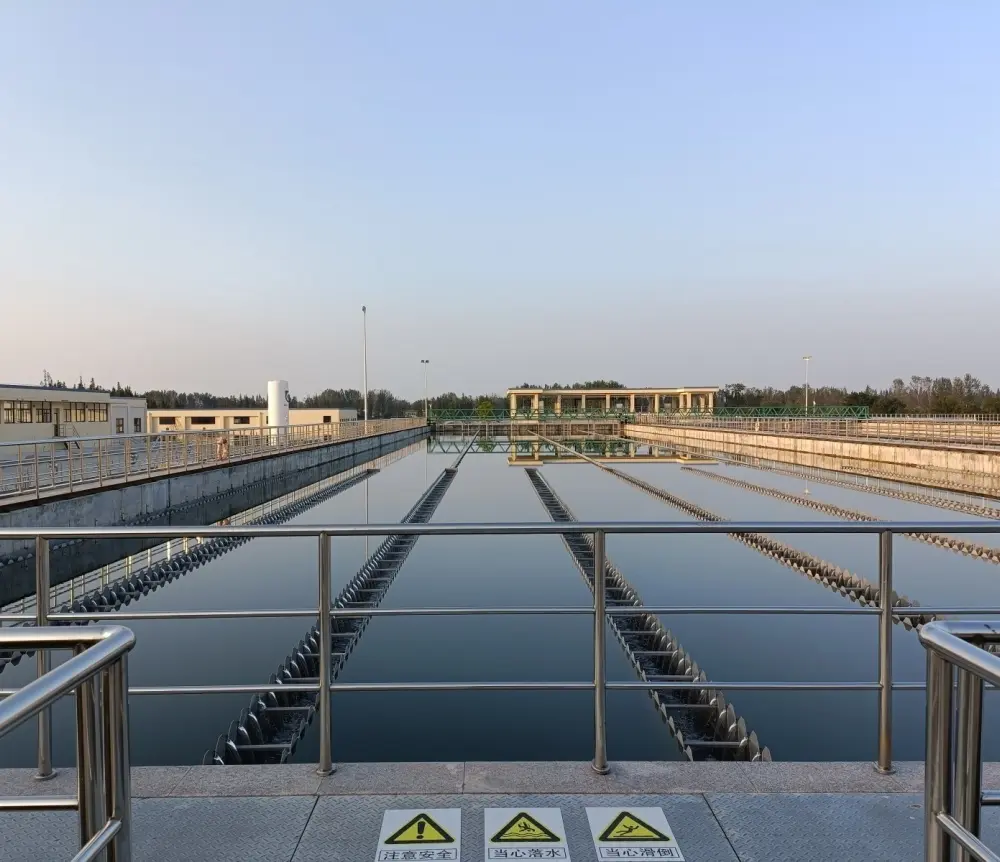
A history of technology development and capacity growth over nearly three decades
Detailed insights on polymer selection, dosing optimization, and chemical properties
Polyaluminum Chloride (PAC) typically operates with a basicity range of 50-80%. It is highly versatile and effective across a broad spectrum of source waters. Aluminum Chlorohydrate (ACH) is an inorganic polymer with a higher basicity (around 83%) and the highest concentration of stable polymeric aluminum species. This allows ACH to be used at lower dosages, generating less chemical sludge and causing minimal pH drop in the treated water compared to standard PAC.
High molecular weight (15–22 million Daltons) is critical for bridging flocculation, allowing the polymer chains to capture distant micro-flocs and form large, stable aggregates that can withstand shear forces. Low to medium molecular weight polymers with high charge densities are better suited for charge neutralization and colloidal charge reversal, which is the primary mechanism for micro-particle flocculation and sludge conditioning.
Polyacrylamide is highly hygroscopic and absorbs moisture from the atmosphere, which leads to particle caking. At Wuxi BS, we control particle size distribution during synthesis and package products in heat-sealed, moisture-barrier multi-layer bags. To maintain product quality, store these bags in a cool, dry, and ventilated warehouse, and seal any opened packages immediately.
They should not be mixed or added to the water at the same point, as the opposite charges will cause them to co-precipitate, rendering both inactive. However, dual-polymer dosing systems are highly effective when applied sequentially. In these systems, a cationic polymer (such as CPAM or a low MW inorganic coagulant) is typically dosed first for charge neutralization, followed by an anionic PAM downstream to bridge the destabilized particles into larger flocs.
For anionic polyacrylamides (APAM), the optimal dissolution time under mild agitation is 40 to 60 minutes. Cationic polyacrylamides (CPAM) typically require 50 to 90 minutes. Incomplete dissolution can lead to undissolved polymer particles (known as "fish eyes"), which can clog dosing pumps and filters and reduce overall chemical efficiency.
Browse our complete list of industrial coagulants and flocculants for global distribution
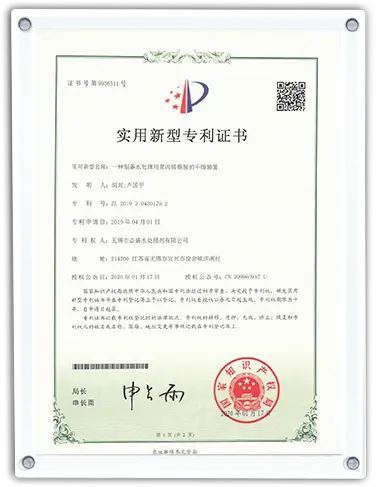
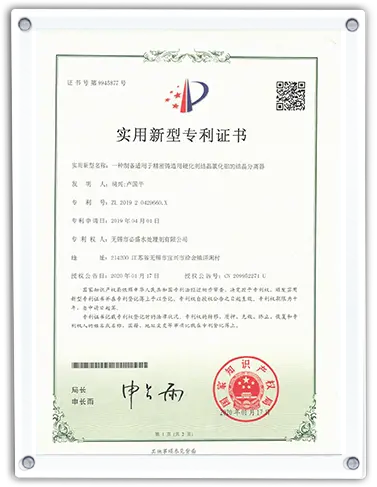
Wuxi BS processes are governed by strict international standards, ensuring batch-to-batch uniformity and environmental compliance.
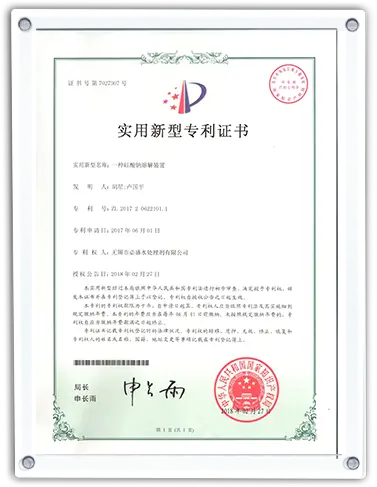
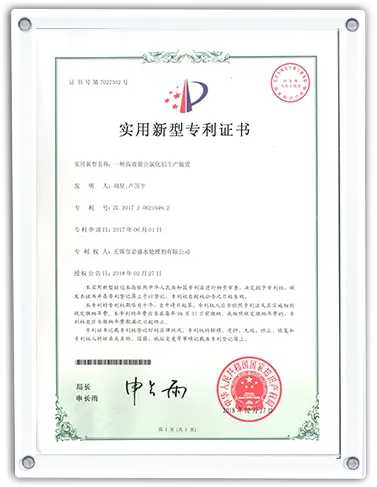
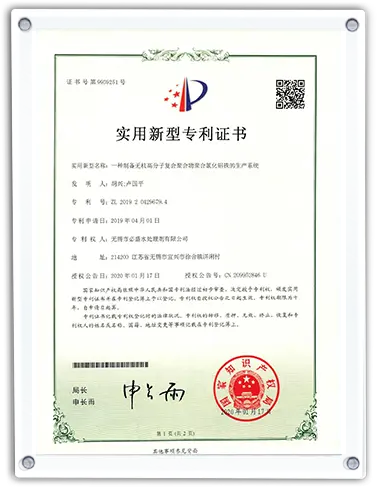
Stay updated on the latest trends in polymer chemistry and water treatment solutions.
Wuxi BS Water Treatment Chemicals Co., Ltd. continues to expand its global supply chain network, establishing new channels to distribute performance polymers to international markets...
Read Full Story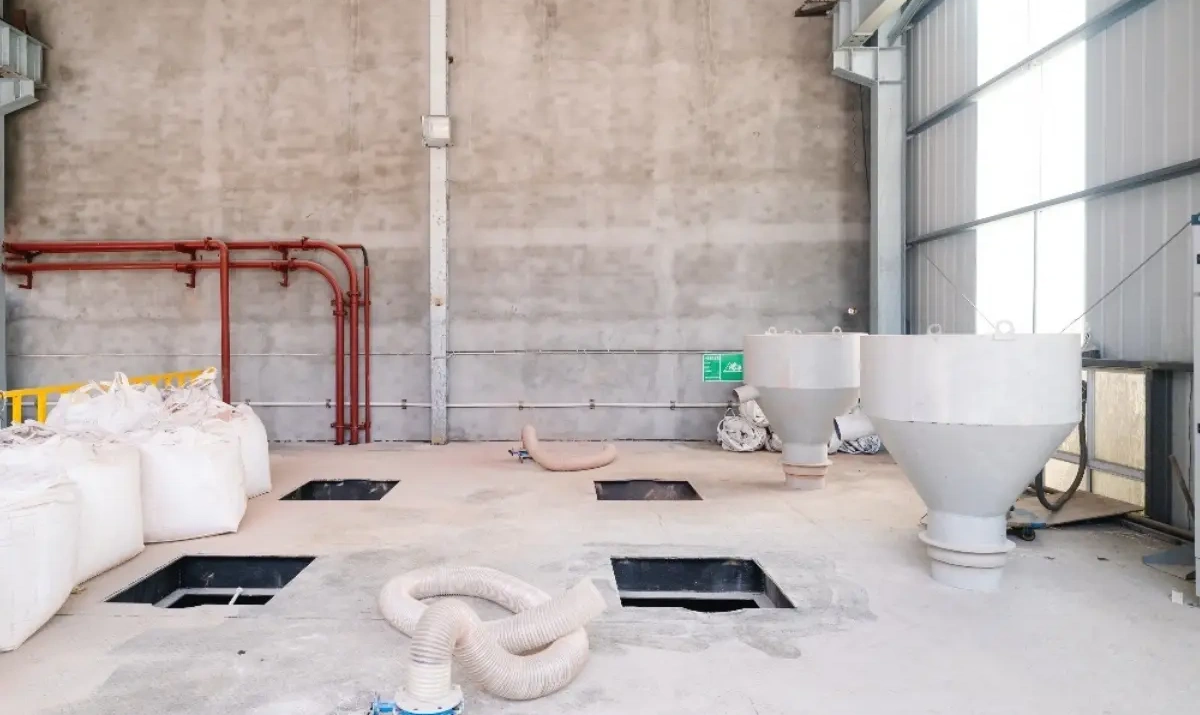
To optimize dissolution kinetics and minimize dosing errors, Wuxi BS has introduced new digital intelligent solid feeding systems, improving field efficiency for our partners...
Read Full Story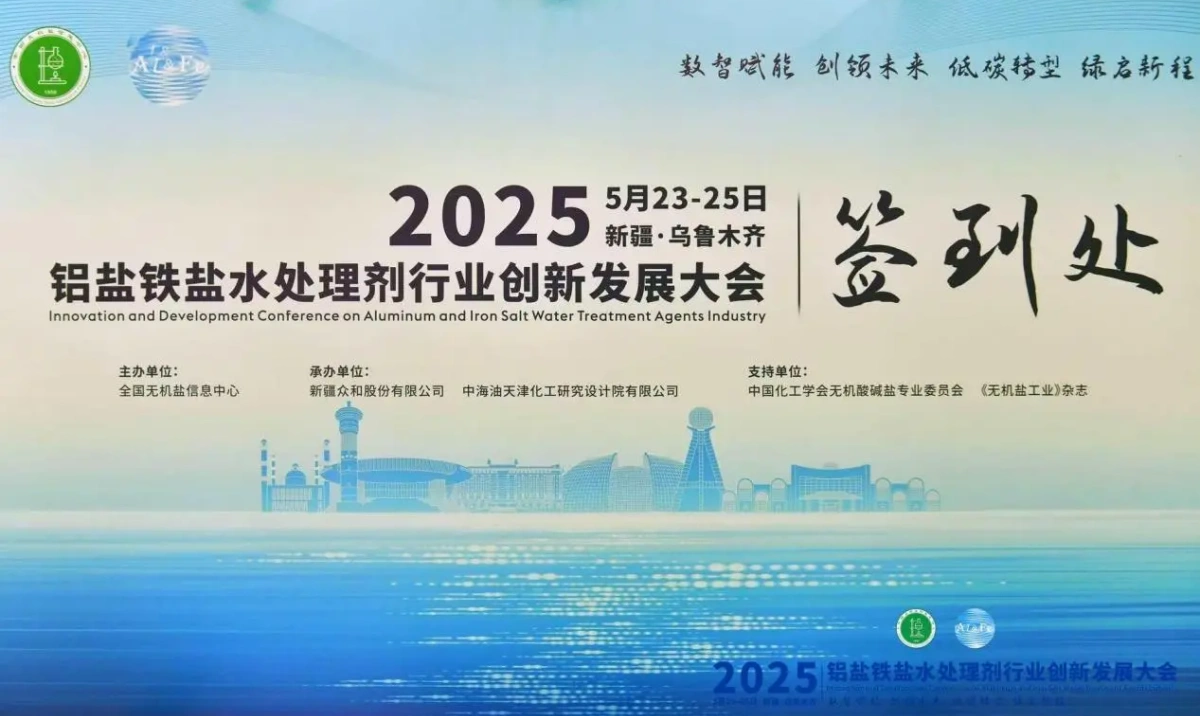
Wuxi BS attended the 2025 development summit to discuss the role of advanced polymeric coagulants in carbon-neutral industrial systems and green water initiatives...
Read Full StoryHave an inquiry about product specifications, custom blends, or bulk shipping logistics? Submit your requirements below, and our technical team will assist you.
Reach out directly to our global sales and technical support departments for tailored product formulations and pricing quotes.
 BS Water