High-purity chemical agents designed for drinking water safety, sludge dewatering, and municipal or industrial wastewater treatments.
An authoritative analysis of industrial trends, process optimization, and standard criteria in global wastewater remediation.
Modern industrial expansion across petrochemicals, electronics, pulp & paper, and heavy manufacturing has exponentially increased complex effluent generation. These effluents are highly concentrated with colloidal particulates, organic matter, heavy metals, and coloring agents. Traditional sand filtration and raw sedimentation are insufficient to meet modern environmental compliance directives, such like EPA standards, EU Water Framework Directives, and China's GB8978-1996 effluent limitations. This necessitates optimized coagulation and flocculation systems that manipulate particle surface charge, reducing zeta potential to accelerate agglomeration and precipitation.
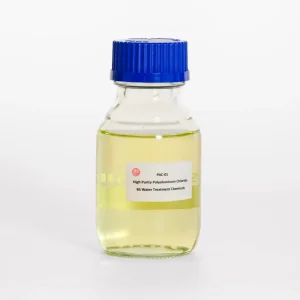
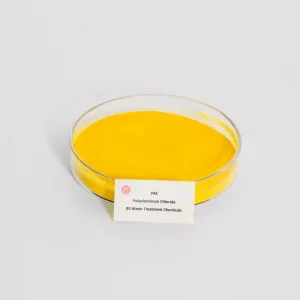
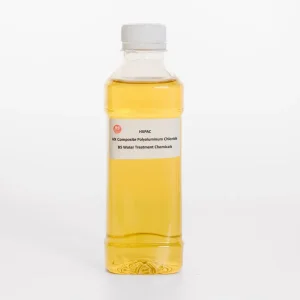
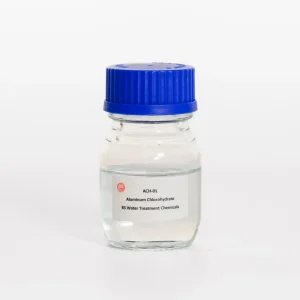
The primary coagulant mechanism relies on chemical agents such as Polyaluminium Chloride (PAC) and Aluminum Chlorohydrate (ACH). By forming highly charged polynuclear aluminum complexes, these substances neutralize negative charges on colloidal surfaces. This charge neutralization allows London-van der Waals forces to dominate, bringing particles together to form microflocs. High-basicity coagulants (like ACH) are particularly favored in global markets because they yield high levels of polymeric aluminum species, minimizing pH fluctuation during treatment and reducing post-treatment sludge volume.
While coagulants initiate the formation of microflocs, polymer flocculants like Polyacrylamide (PAM) bridge these microflocs into larger, shear-resistant macroflocs. The molecular weight and charge density of the polymer are critical variables that determine performance. For example, Cationic Polyacrylamide (CPAM) is highly effective in sludge dewatering operations due to its structural configuration, which aligns with the negatively charged organics in sewage sludge. On the other hand, Anionic Polyacrylamide (APAM) is widely deployed in mineral processing and metallurgy where inorganic suspended solids predominate.
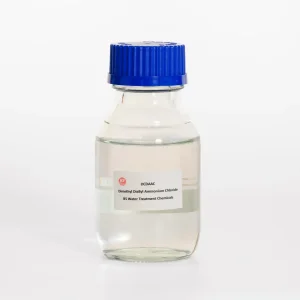
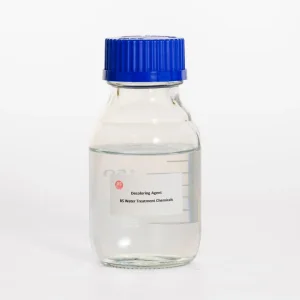
For highly specialized streams like textile effluents and printing dyes, color compounds present a significant environmental challenge. Synthetic dyes contain refractory aromatic rings that resist biological degradation. In this context, Water Decolorizing Agents (WDA), which are typically dicyandiamide-formaldehyde cationic polymers, act by forming electro-neutral complex complexes with dye molecules. This allows for rapid precipitate removal and significant reductions in Chemical Oxygen Demand (COD).
| Chemical Agent Class | Active Mechanism | Target Contaminants | pH Range Performance | Key Industrial Applications |
|---|---|---|---|---|
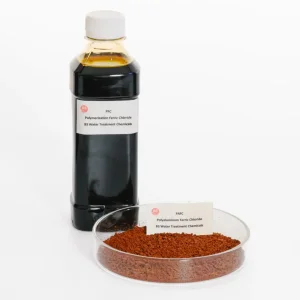
| PAC (Polyaluminium Chloride) | Charge neutralization, Sweep flocculation | Suspended solids, Turbidity, Phosphorus | 5.0 - 9.0 | Drinking water, Municipal sewage |
| ACH (Aluminum Chlorohydrate) | High basicity charge neutralization | Fine colloidal particles, Organic carbon | 5.5 - 8.5 | Pulp & paper, Cosmetics, Ultrafiltration pretreatment |
| CPAM (Cationic Polyacrylamide) | Polymer bridging, Charge neutralization | Organic solids, Bio-sludge | 1.0 - 10.0 | Centrifugal sludge dewatering, Brewing, Food processing |
| APAM (Anionic Polyacrylamide) | Polymer bridging, Hydrogen bonding | Inorganic suspended solids, Minerals | 6.0 - 12.0 | Metallurgy, Mining flotation, Coal washing |
| WDA (Water Decolorizing Agent) | Cationic electrostatic complexes | Soluble anionic dyes, Refractory color | 3.0 - 10.0 | Textile dye house wastewater, Pigment production |
How Wuxi BS is engineering next-generation, high-performance, and ecologically responsible chemicals.
Transitioning toward low-acrylamide residual polymers and green bio-coagulants. Our developmental objective is to minimize trace monomer concentrations below regulatory limits (e.g., <0.05% free monomer in drinking-grade PAC), mitigating ecological toxicity downstream.
Designing digital control systems that adjust chemical feed ratios in real-time. By utilizing sensor feedback for streaming current, pH, and effluent turbidity, plants can prevent over-dosing, optimize chemical usage, and lower operating costs.
Optimizing PAC and PAM formulas to reduce secondary salinity and chemical residuals. This facilitates direct reverse osmosis (RO) reclamation, enabling closed-loop recycling of process water in water-scarce regions.
27 Years of Enterprise Excellence in Industrial Water Remediation (Since 1998)
Founded in 1998, Wuxi BS Water Treatment Chemicals Co., Ltd. has developed into a premier chemical manufacturer and direct global supplier. Leveraging decades of operational experience and advanced production technologies, we specialize in high-capacity manufacturing of high-purity coagulants and polymeric flocculants.
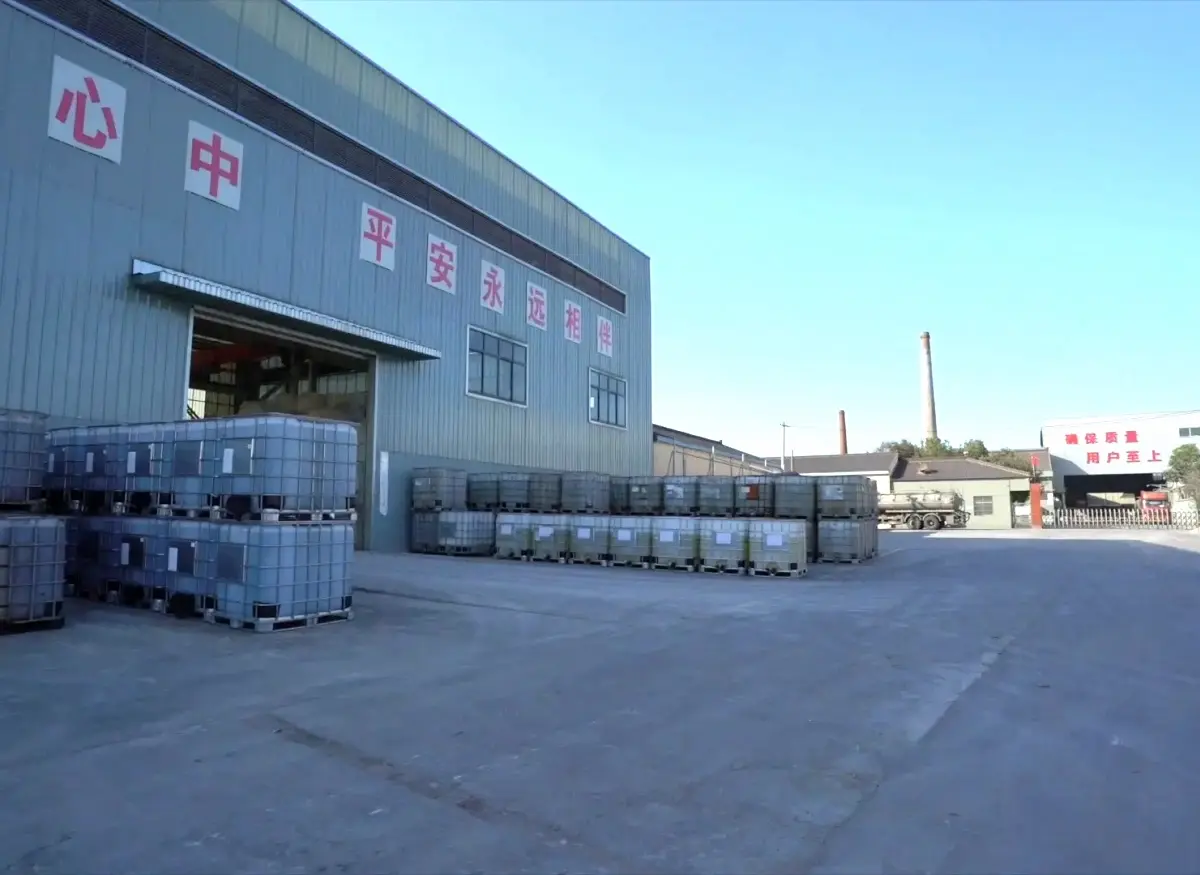
Our production complexes in Jiangsu Province incorporate automated batch synthesis, continuous-flow reactors, and stringent ISO 9001 and ISO 14001 quality frameworks. By maintaining strict control over raw material assay parameters and polymerization states, we ensure our products perform reliably in municipal plants, paper manufacturing, mining, and oil reclamation worldwide.

Our high-demand formulations, globally recognized for exceptional purification efficiency and stability.
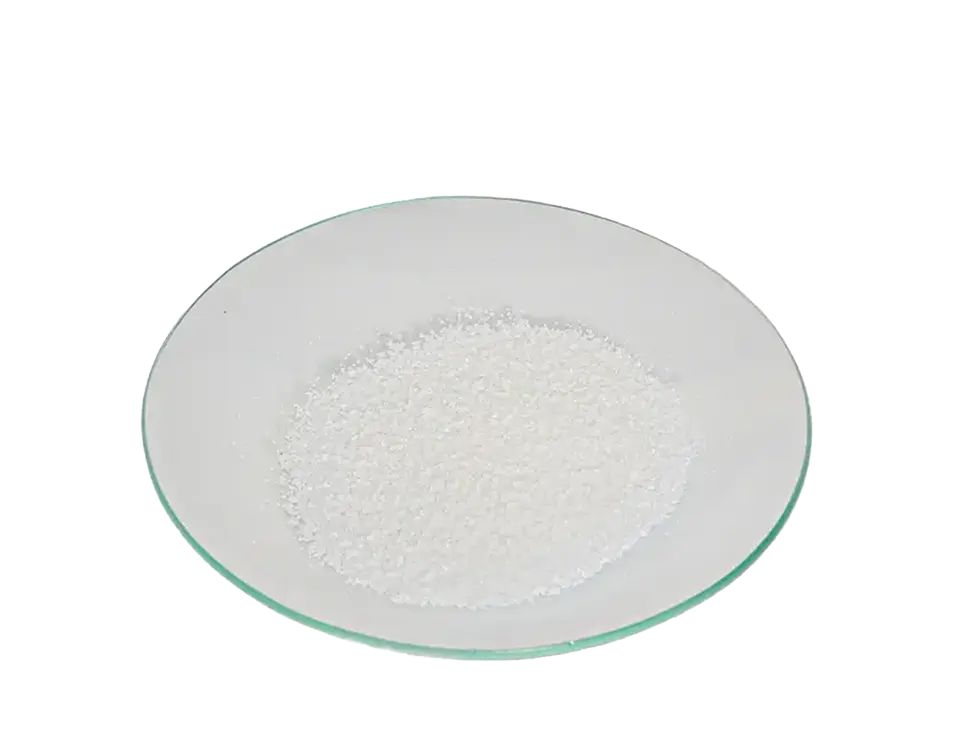
Ideal for municipal sewage sludge dewatering and high-solid industrial effluent filtration. Provides dense flocs and fast sedimentation rates.
Inquire Now →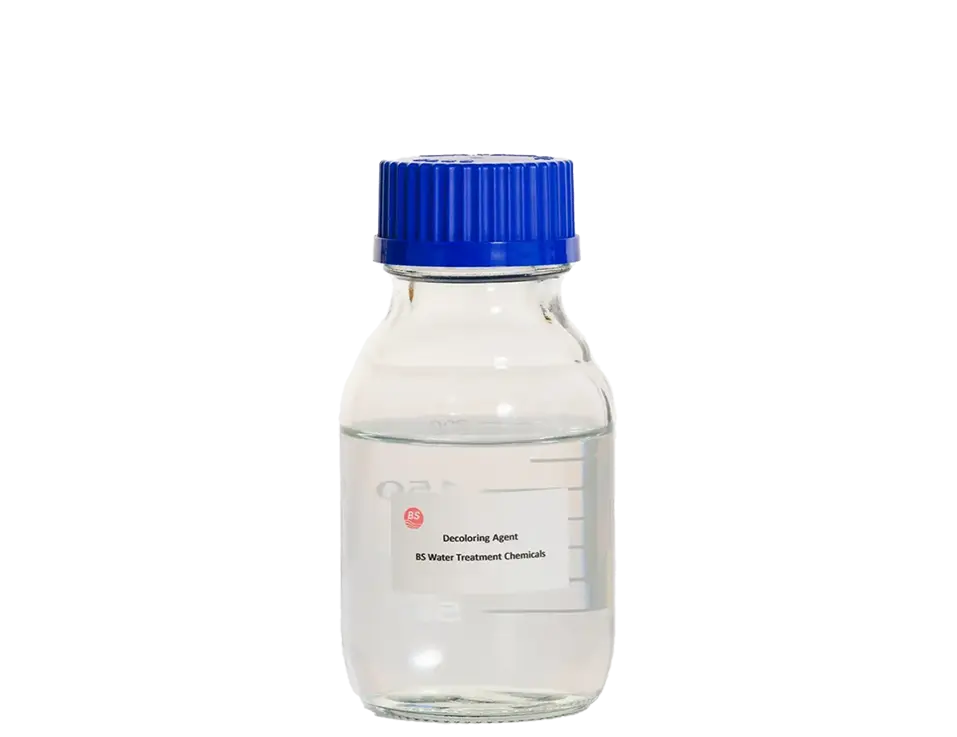
Cationic polymer designed to neutralize dyes and complex organic coloring agents in textile, paper, and printing effluents.
Inquire Now →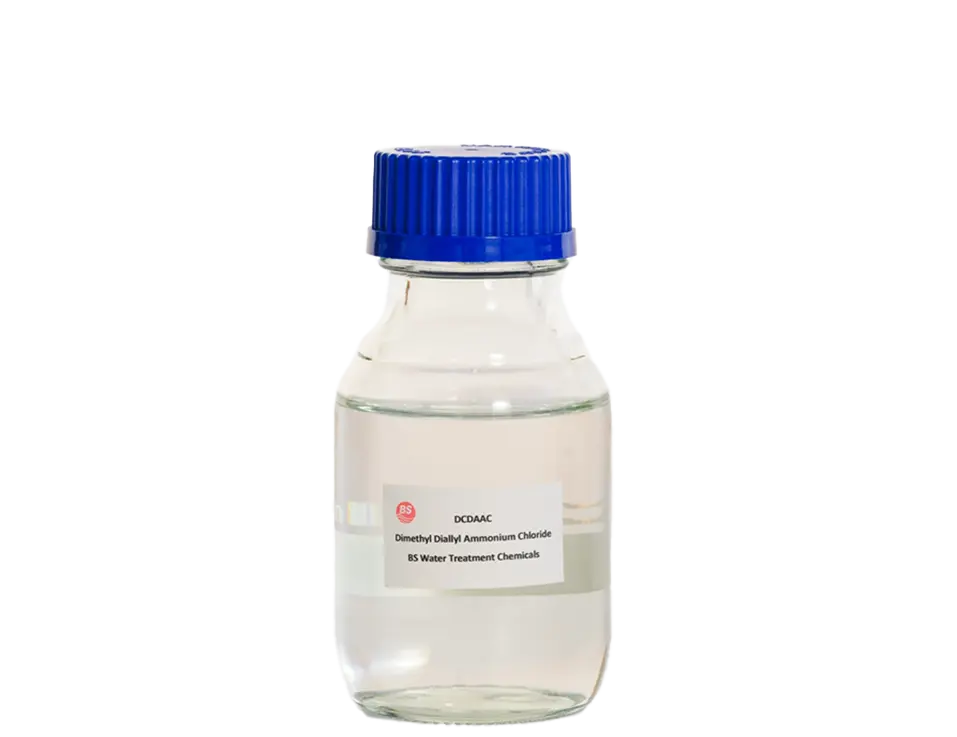
A strongly cationic polymer that functions effectively as a coagulant aid and charge neutralizer in filtration and wastewater clarifiers.
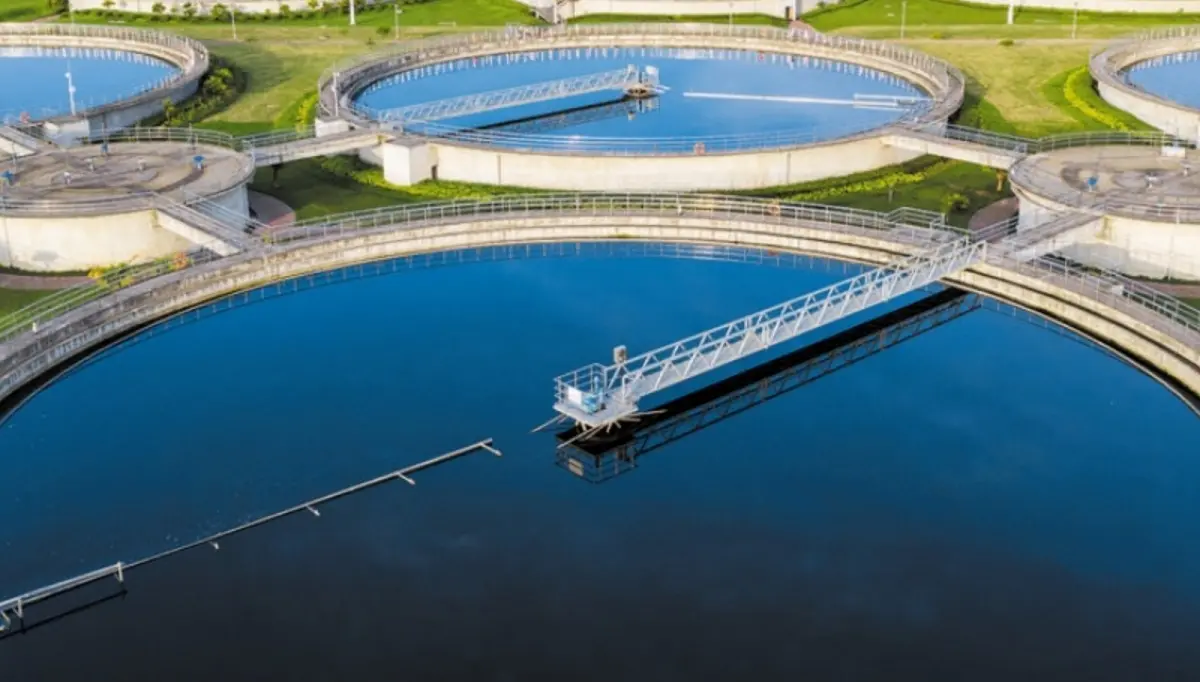
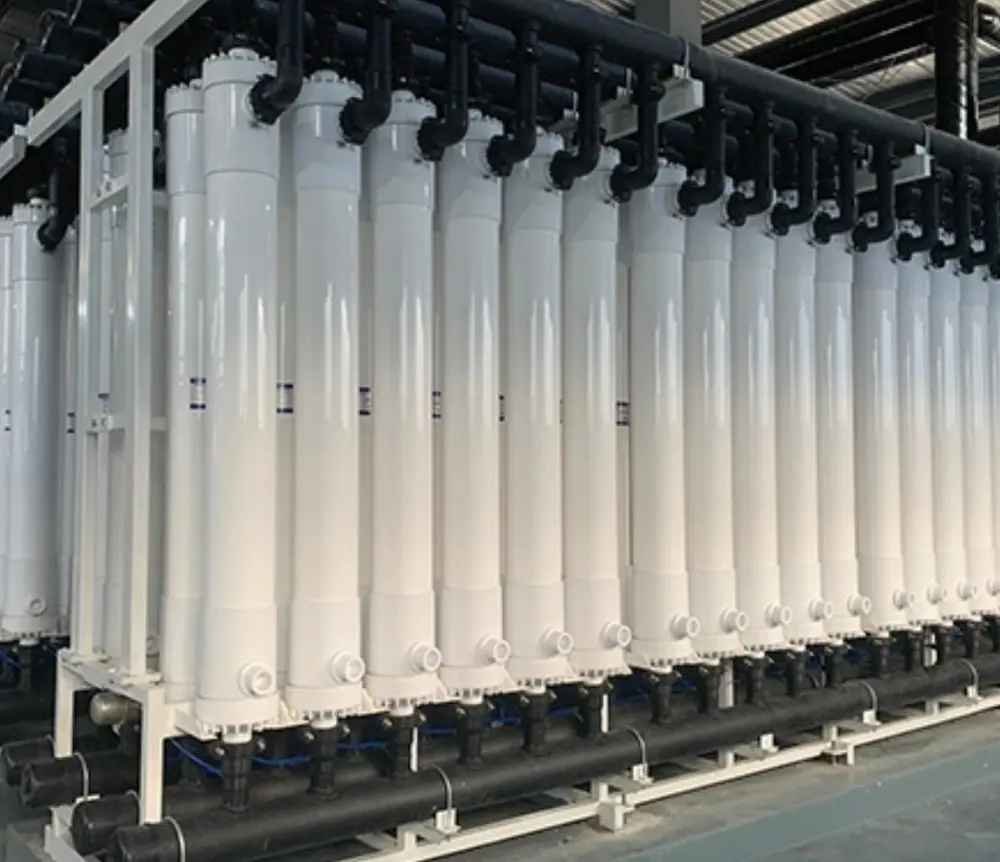
Inquire Now →Engineered chemical treatment protocols tailored to specific industrial systems.

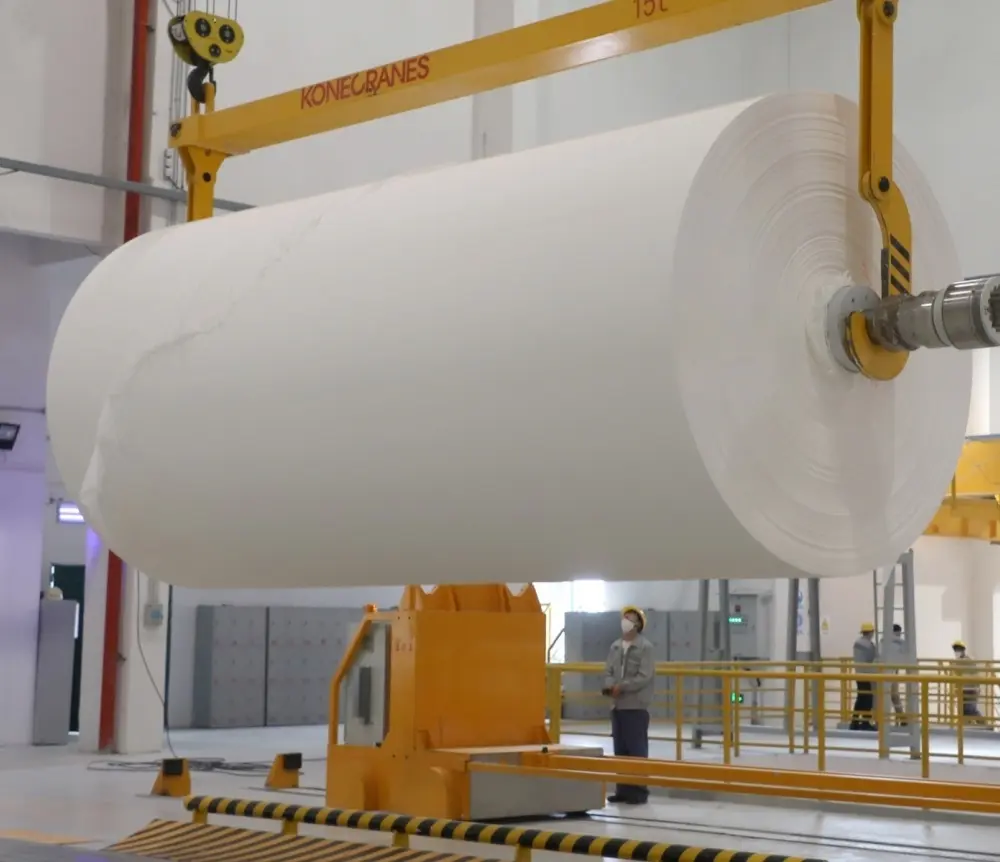
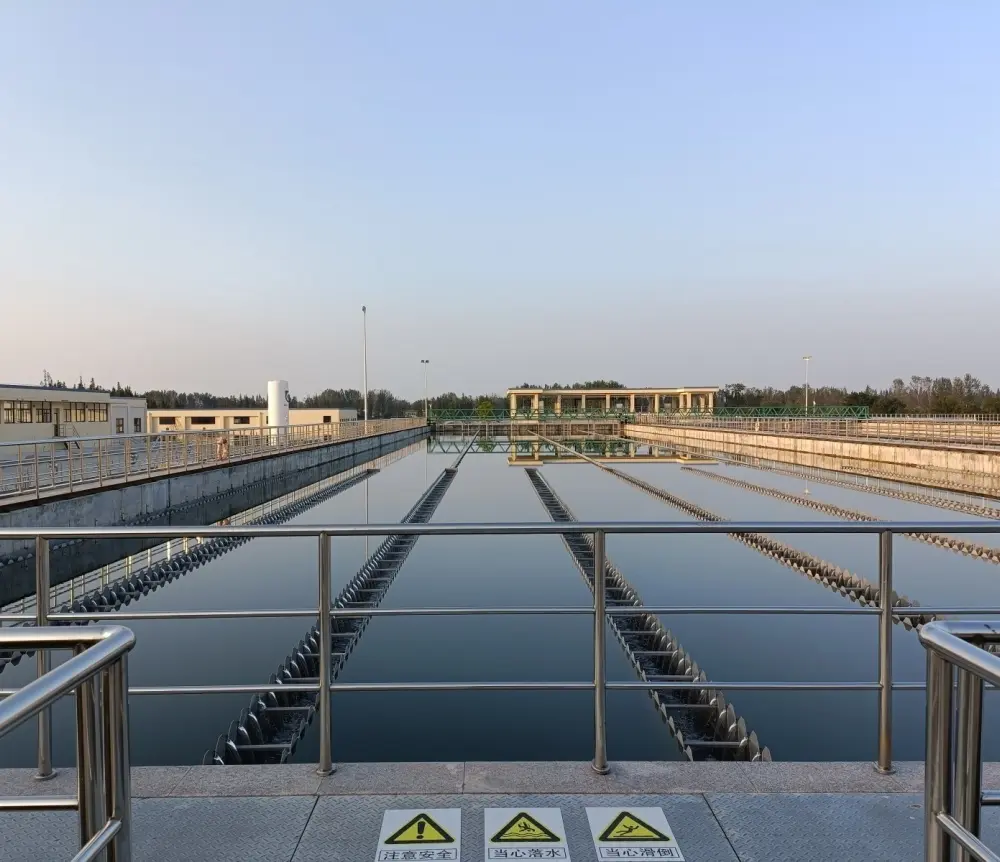
How Wuxi BS provides customized chemical synthesis and supply chain solutions globally.
Our specialists provide full-cycle support, including water analysis, chemical selection, jar test evaluations, and post-sale dosing adjustments.
With over 500,000 tons of annual production and a 20,000-ton warehouse capacity, we ensure reliable supply during market volatility.
We utilize automated PLC synthesis lines and comprehensive batch testing to guarantee batch consistency and on-time international delivery.
Since 2007, our ongoing R&D has driven continuous improvements in product performance, producing customized formulations tailored to client specifications.
A timeline of chemical innovation, capacity growth, and global trade expansion.
Wuxi Bisheng factory founded, establishing raw inorganic salt coagulant lines.
Re-organized and renamed as Wuxi Bisheng Water Treatment Agent Co., Ltd. to focus on polymer R&D.
Initiated export program, supplying PAC and PAM to industrial operations across Asia and Europe.
Annual export sales reached USD 10 million, reflecting strong adoption of our chemical portfolio.
Established dedicated foreign trade department to offer direct, technical B2B client services.
Industry-focused content addressing chemical innovations, dosing systems, and market trends.
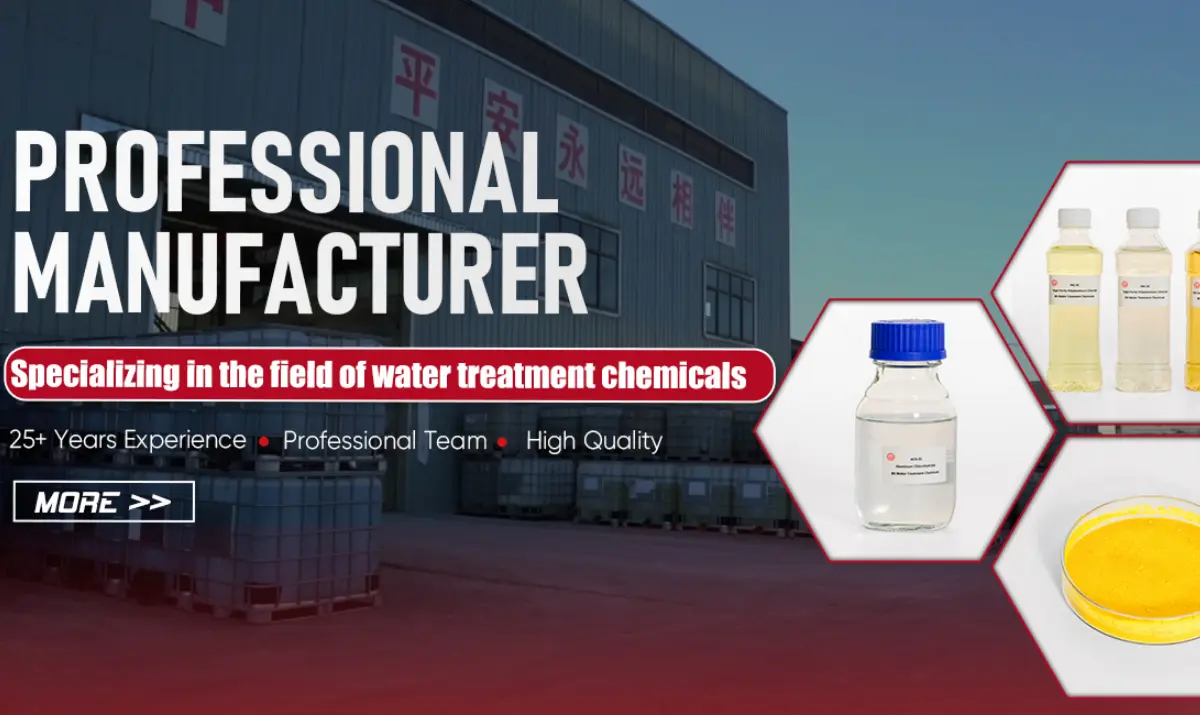
An overview of how Wuxi BS integrates localized water chemistry solutions with overseas supply chains, delivering high-basicity coagulants directly to municipal plants worldwide.
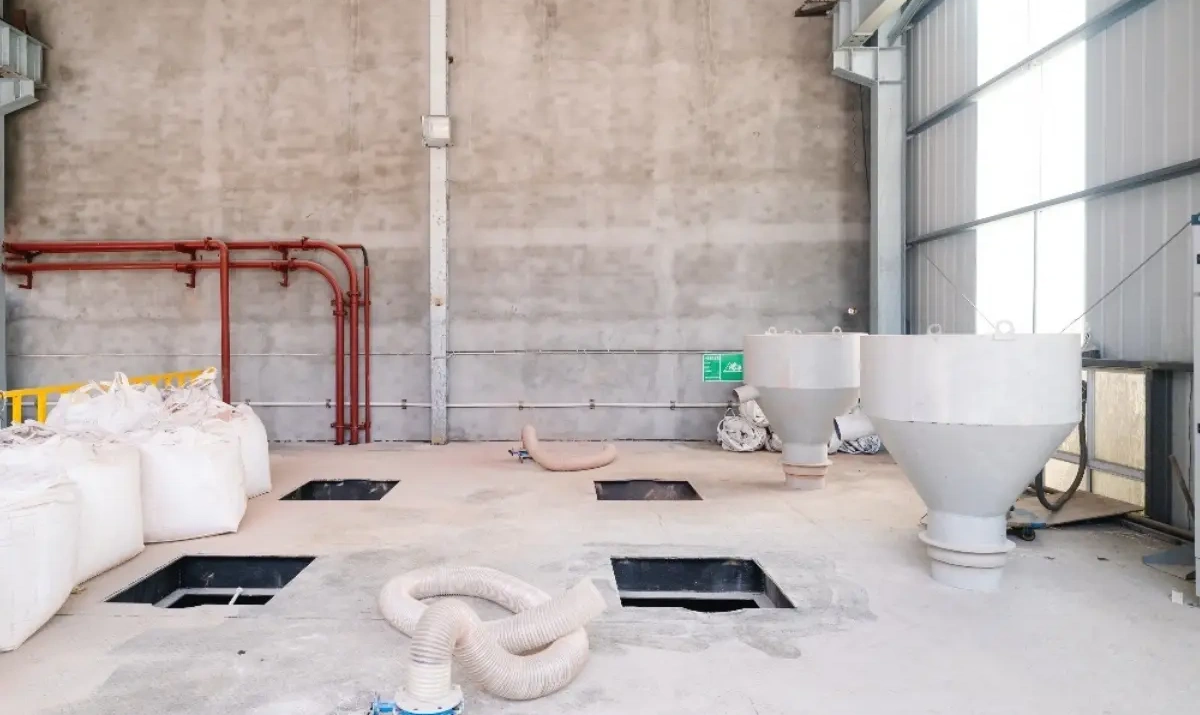
Details on our new automated chemical feeding technology, designed to optimize chemical dosing, reduce polymer consumption, and enhance flocculation performance.
Technical answers regarding coagulation, flocculation chemistry, product selection, and dosage optimization.
A: The primary differences lie in basicity and aluminum oxide (Al2O3) concentration. PAC typically features a basicity range of 50% to 80% and contains 10% to 30% Al2O3. ACH is a highly concentrated polyaluminum coagulant with a consistent basicity of 83% and 23% to 24% Al2O3. ACH's higher basicity means it neutralizes charge more effectively with minimal impact on pH, reducing the need for post-treatment neutralizing chemicals like lime or caustic soda.
A: Selection is based on the characteristics of your target sludge. Sludge with high organic content requires a CPAM with higher charge density (ionicity) to neutralize the negative charges on the organic particulates. If the sludge is subjected to high shear forces (such as in belt presses or centrifuges), a polymer with higher molecular weight is recommended to maintain floc integrity. Jar testing is essential to optimize dosage and performance parameters.
A: WDA is a highly cationic quaternary ammonium polymer. Dissolved dyes, particularly reactive, acid, or direct dyes, contain negatively charged sulfonic acid groups. WDA molecules electrostatically attract these anionic dye molecules, neutralizing their charges and forming insoluble complexes that precipitate. This reaction occurs rapidly and helps reduce effluent COD.
A: Powdered products, such as PAC or PAM granules, have a shelf life of up to 24 months if stored in a cool, dry place in their original sealed packaging. Liquid products, like PAC liquid (10%-17% Al2O3) or liquid polymer solutions, are more sensitive to temperature variations and should be used within 6 to 12 months. Keep storage containers sealed to prevent degradation and crystallization.
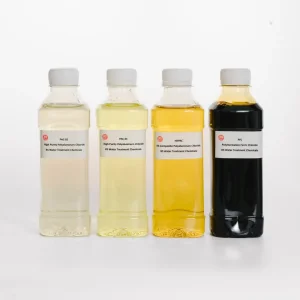
Explore our specialized formulations, including high-basicity aluminum compounds, liquid polymers, and composite coagulants.
Wuxi BS Water Treatment Chemicals offers laboratory water testing, chemical matching, and bulk pricing options. Contact our B2B trade specialists to discuss your specifications.
Office Address: Wuxi City, Jiangsu Province, China
Provide your system specifications, water analysis results, or required chemical volumes to receive a customized quote.
 BS Water

