Premium macromolecular agents designed for robust solid-liquid separation and precise wastewater treatment.
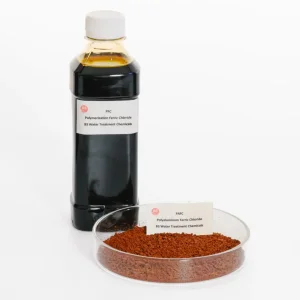
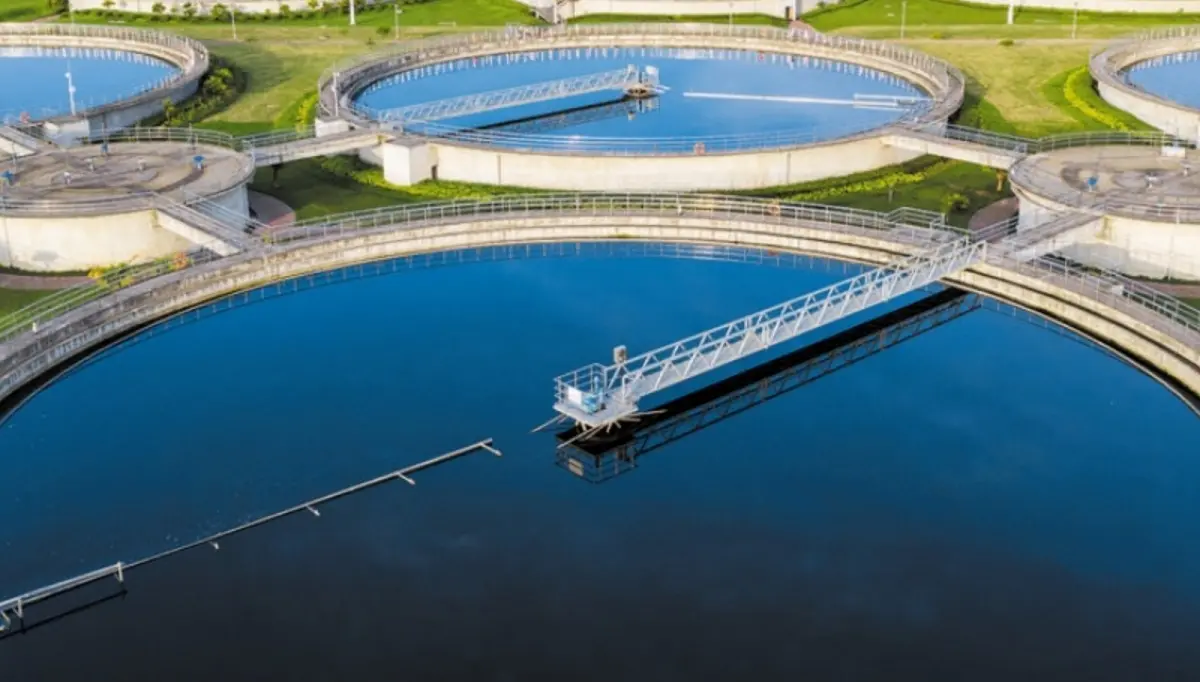
In the contemporary landscape of global manufacturing and heavy industrial processes, the optimization of water systems has transitioned from an operational necessity to a core pillar of corporate environmental governance (ESG). High-volume industrial enterprises, ranging from paper manufacturing conglomerates to municipal treatment authorities, require a steady, reliable supply of highly active coagulants and flocculants. For procurement directors worldwide, selecting a chemical manufacturing partner in China goes far beyond comparing wholesale price indexes; it demands a deep evaluation of chemical stability, environmental compliance, supply chain elasticity, and custom laboratory services.
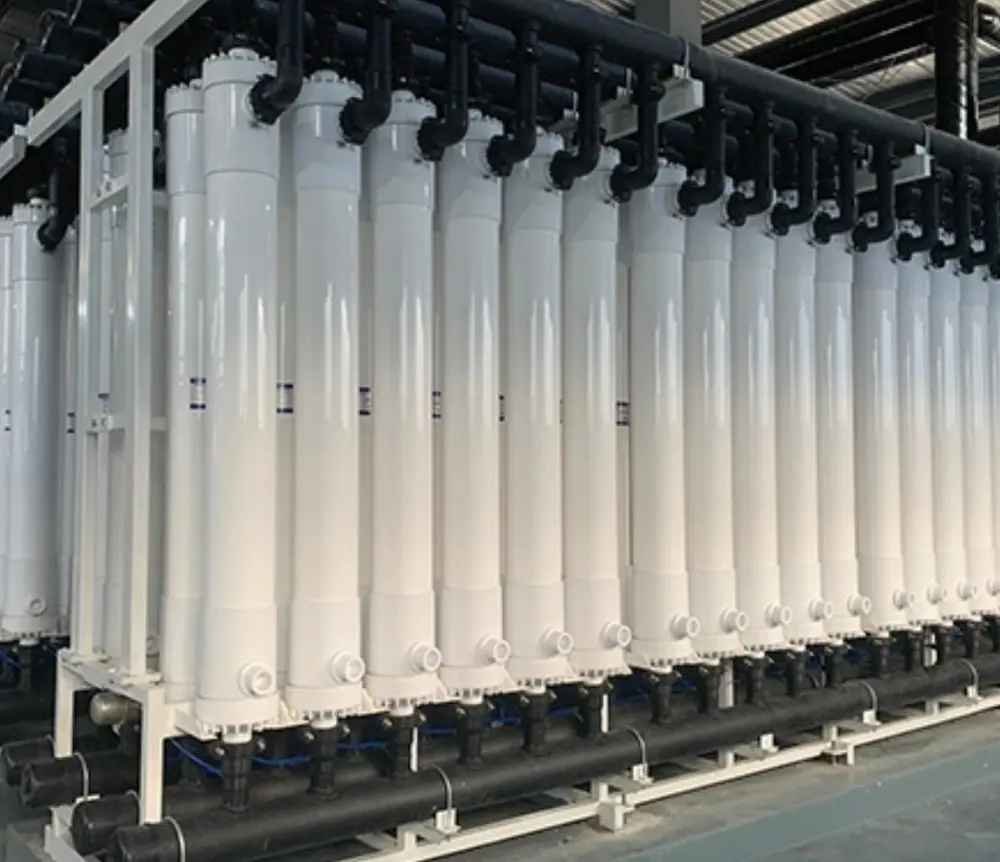
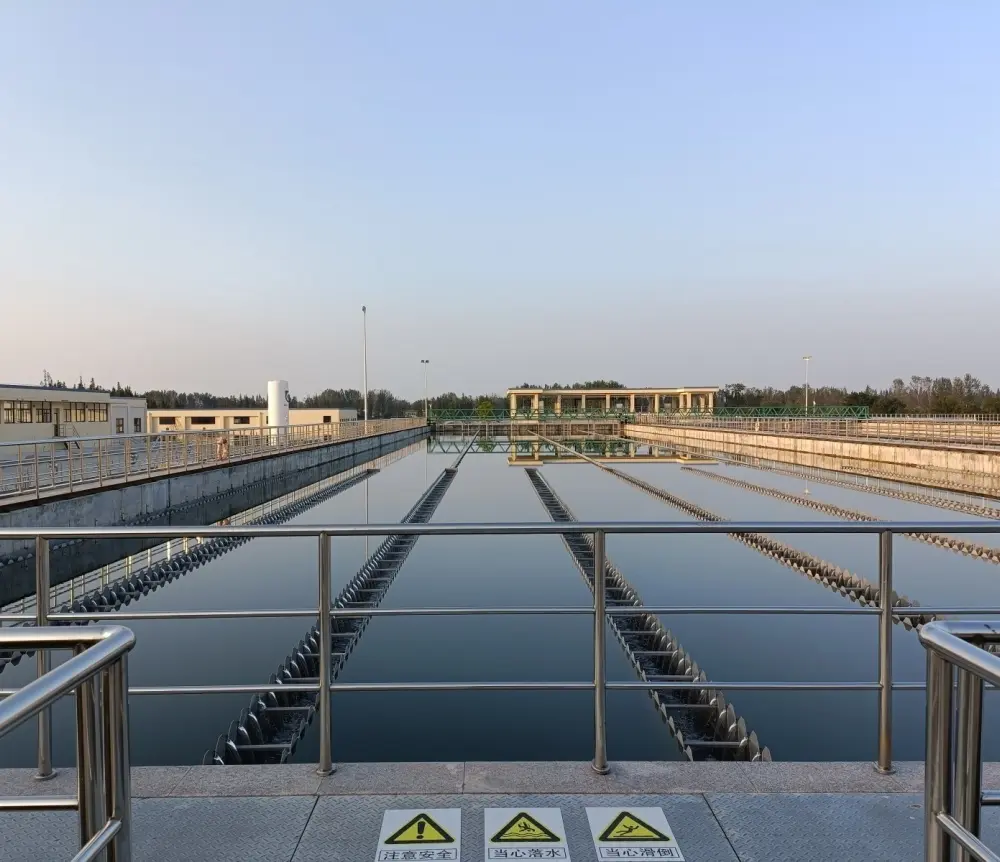
A primary factor in global procurement strategy is the consistency of chemical active ingredients. Fluctuations in active polymer concentrations directly translate to unpredictability in dosing systems, leading to high residue levels, system downtime, and potential violations of municipal discharge compliance codes. Manufacturers that maintain strict raw material sourcing channels, such as high-purity alumina and raw acid reagents, deliver polymers with stable basicity and charge density. This technical assurance minimizes processing fluctuations, ensuring that wastewater clarifiers, belt filter presses, and dissolved air flotation (DAF) units run at peak efficiency.
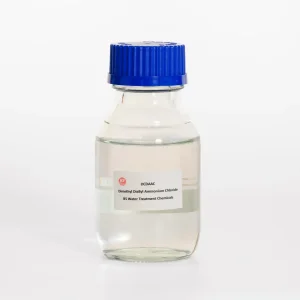
Modern industry is undergoing a structural pivot toward the circular economy. Technologies that facilitate "Zero Liquid Discharge" (ZLD) depend on high-performance chemical formulations to clean, reclaim, and reuse industrial effluent. Within sectors like petroleum refining and complex chemical synthesis, emulsified oils and dissolved organic pollutants require specialized cationic polymers like Poly(diallyldimethylammonium chloride) (PDADMAC) or High-Basicity Aluminum Chlorohydrate (ACH) to destabilize stable colloids and initiate rapid micro-floc formation.
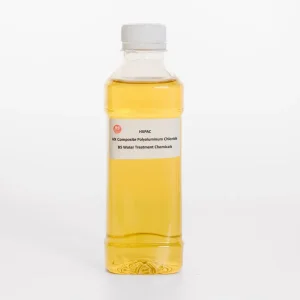
Simultaneously, global logistics regulations have heightened the value of chemical concentration. Supplying highly concentrated liquid variants, such as 10% to 15% active ingredient Polyaluminium Chloride (PAC) liquids, or spray-dried powder formulations with optimized solubility profiles, enables global distributors to drastically reduce their scope 3 transport emissions and minimize chemical storage footprint. By prioritizing active chemical density, global enterprises optimize operational logistics while advancing towards net-zero carbon goals.
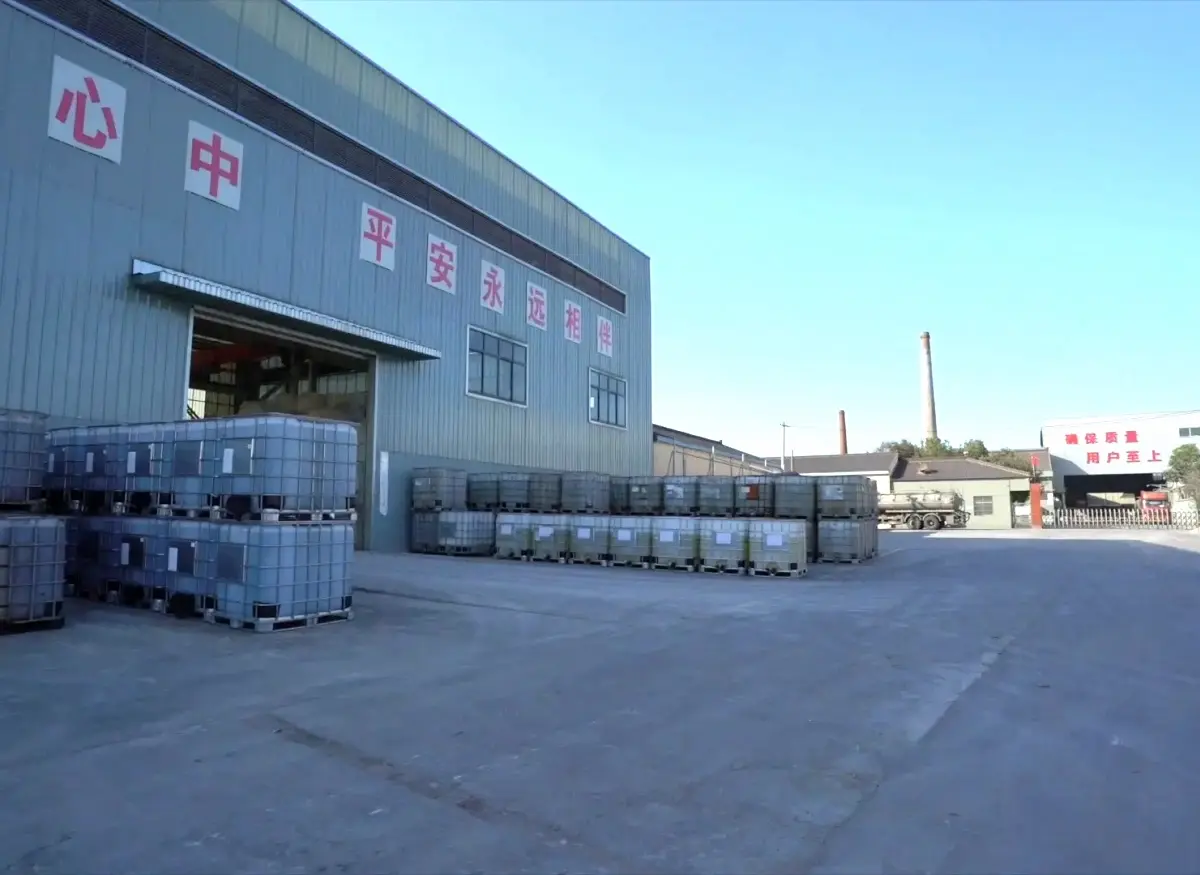
A Proven Pioneer in Water Treatment Innovation Since 1998
Founded in 1998, Wuxi BS Water Treatment Chemicals Co., Ltd. has established itself as an industry leader, operating state-of-the-art production facilities optimized for water purification solutions. Spanning over 27 years of research, development, and high-volume synthesis, the company produces a comprehensive catalog of high-purity coagulants, flocculants, and decolorizing agents for municipal drinking water systems and complex industrial effluents.
Our core competitiveness lies in our fully integrated, automated production lines. We achieve stable and safe mass production of PAC, PAM, ACH, and PDADMAC polymers. Backed by rigorous QA/QC inspection protocols, we ensure every batch meets both strict environmental standards and specialized customer specifications.
Selecting the optimal molecular profile to address complex industrial pollutants
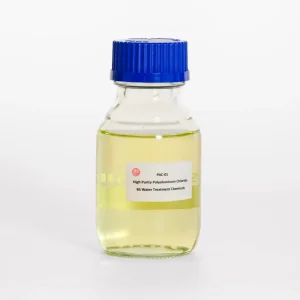
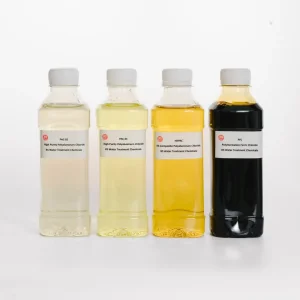
Polyaluminium Chloride (PAC) is a foundational inorganic macromolecular coagulant characterized by its high basicity and Al2O3 concentration. Under industrial scenarios, PAC destabilizes suspended colloids via charge neutralization and bridges particulate matter through micro-crystalline precipitation. This dual mechanism is highly effective in treating high-turbidity surface water and removing heavy metal complexes from mining wastewater.
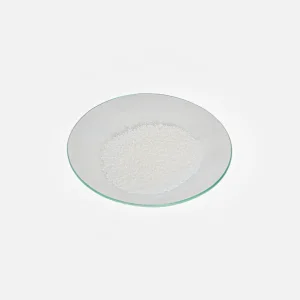
Polyacrylamide (PAM) series polymers (comprising Anionic APAM and Cationic CPAM formulations) function as highly specialized flocculants. Anionic PAM utilizes its extended chain structure and negative charges to trap destabilized micro-flocs, aggregating them into heavy macro-flocs for rapid sedimentation. Conversely, Cationic PAM is critical for sludge conditioning and dewatering, neutralizing negatively charged organic sludge particles to release trapped bound water during mechanical filtration.
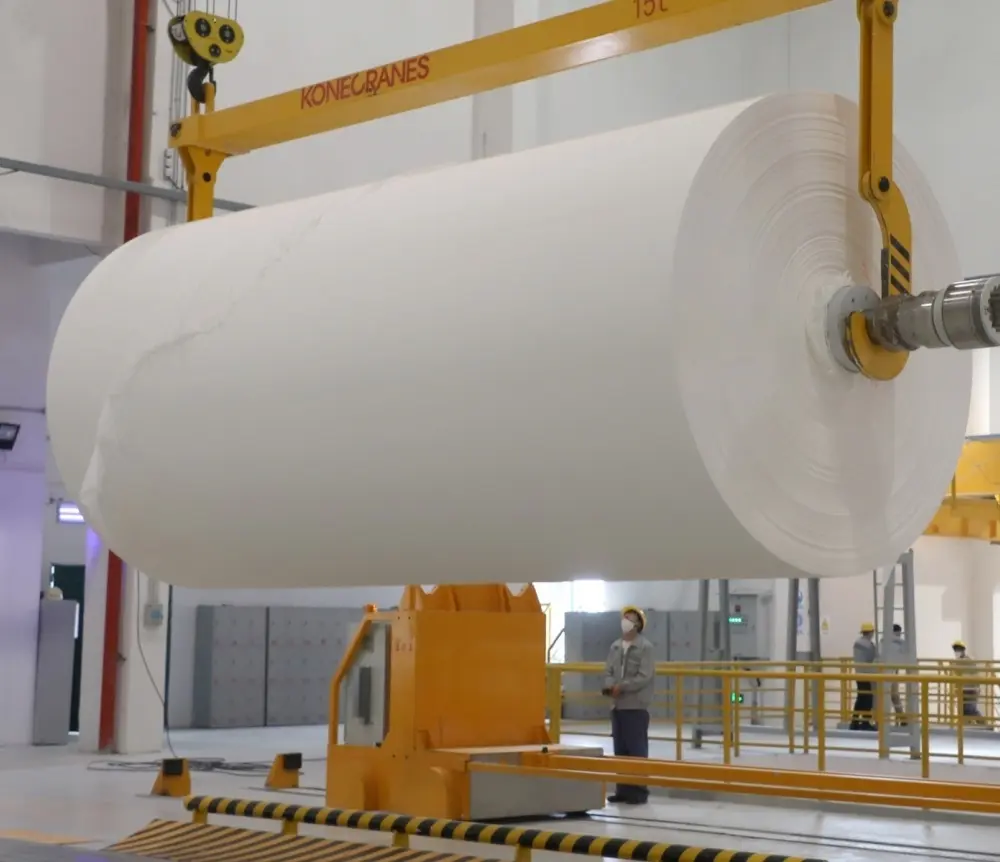
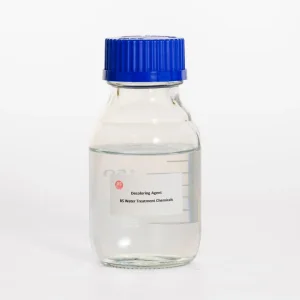
WDA is a highly cationic quaternary copolymer specifically engineered to clean colored wastewater generated by textile, pulp/paper, and organic dye manufacturing. By forming strong ionic complexes with anionic dye chromophores, WDA precipitates dissolved coloring compounds while simultaneously reducing Chemical Oxygen Demand (COD), enabling textile mills to reclaim up to 85% of their production process water.
Engineered chemical formulations designed for demanding operational environments
Wuxi BS has mapped out a technical development roadmap focused on improving the ecological compatibility of water polymers. By transitioning away from heavy metal-intensive catalysts, our chemical engineers have succeeded in reducing toxic byproduct matrices (such as residual acrylamide monomer and heavy metal impurities) to trace levels far below European REACH compliance targets. Additionally, our R&D efforts are actively focused on synthesizing hybrid inorganic-organic macromolecular polymers, which integrate the destabilizing capability of metal ions with the bridging structure of polymers, effectively combining coagulation and flocculation into a single dosing step.
Furthermore, Wuxi BS is introducing smart digital integration into raw material feeding systems. Real-time viscosity measurements, coupled with automated reactors, allow for precise molecular weight control during the polymer chain propagation phase. This ensures that every delivery is optimized for specific application settings—whether it requires the high molecular weight shear resistance needed for centrifuges, or the highly branched configurations required for rapid sludge thickening beds.
We tailor molecular structures, active solid percentages, and packaging sizes to match your specific environmental requirements and local regulatory constraints.
Our lab facilities perform detailed jar tests and sludge dewatering simulations on your industrial effluent samples, guaranteeing optimal chemical compatibility.
With an annual capacity of 500,000 tons and extensive warehouse space, Wuxi BS guarantees reliable bulk deliveries to ports globally, ensuring supply chain stability.
A continuous journey of technical innovation and global expansion
Establishment of our specialized chemical production facility in Wuxi, China.
Reorganized and renamed as Wuxi Bisheng Water Treatment Agent Co., Ltd. to support corporate scaling.
Expanded distribution channels internationally, securing global export pathways.
Annual export value exceeded USD 10 Million, cementing our position in global markets.
Formed our dedicated foreign trade department to offer direct technical support to global buyers.
Pioneering carbon-neutral polymer synthesis and automated digital dosing solutions.
Addressing core technical questions from procurement managers and engineers
Our chemical engineering team is available to assist you with dosage optimizations, technical data sheets (TDS), safety data sheets (SDS), and custom product development.
 Tel: +86 13584221461
 Email: [email protected]
Send your industrial water samples to our facilities in Wuxi for custom jar testing and formulation recommendations.
Stay informed on global water chemistry advancements, compliance regulations, and technical case studies
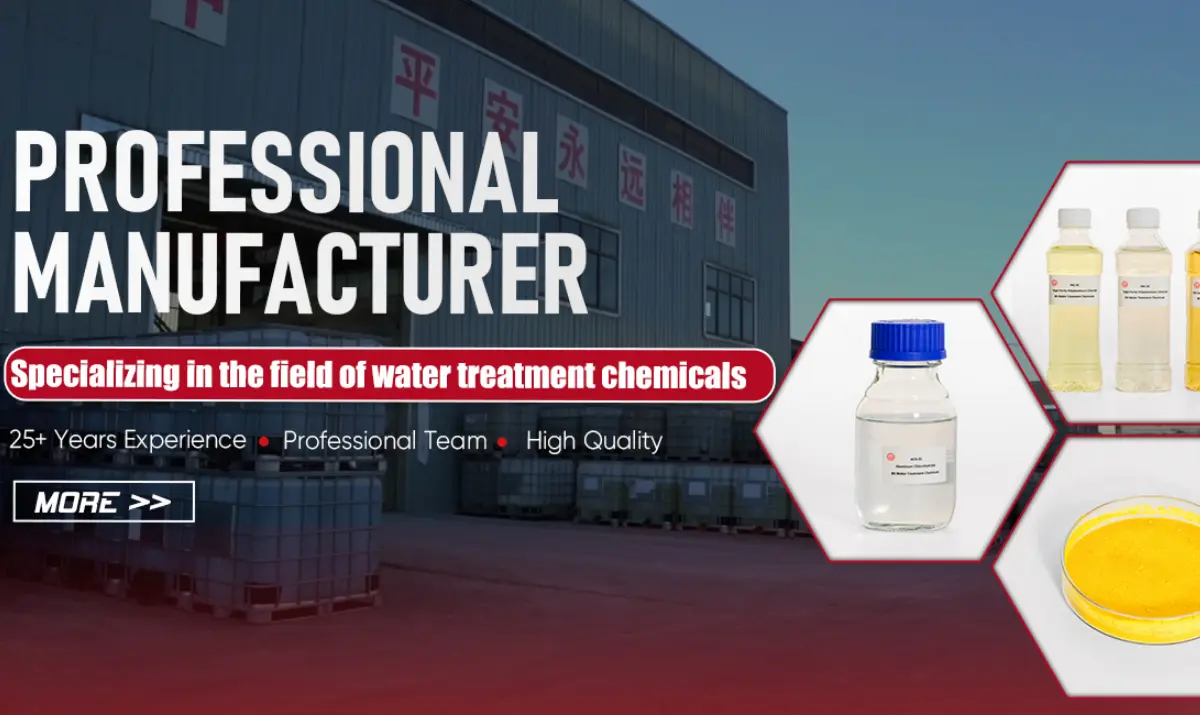
Discover how Wuxi BS leverages raw material integrations and specialized logistical workflows to service demanding industrial projects across Southeast Asia, Europe, and Latin America.
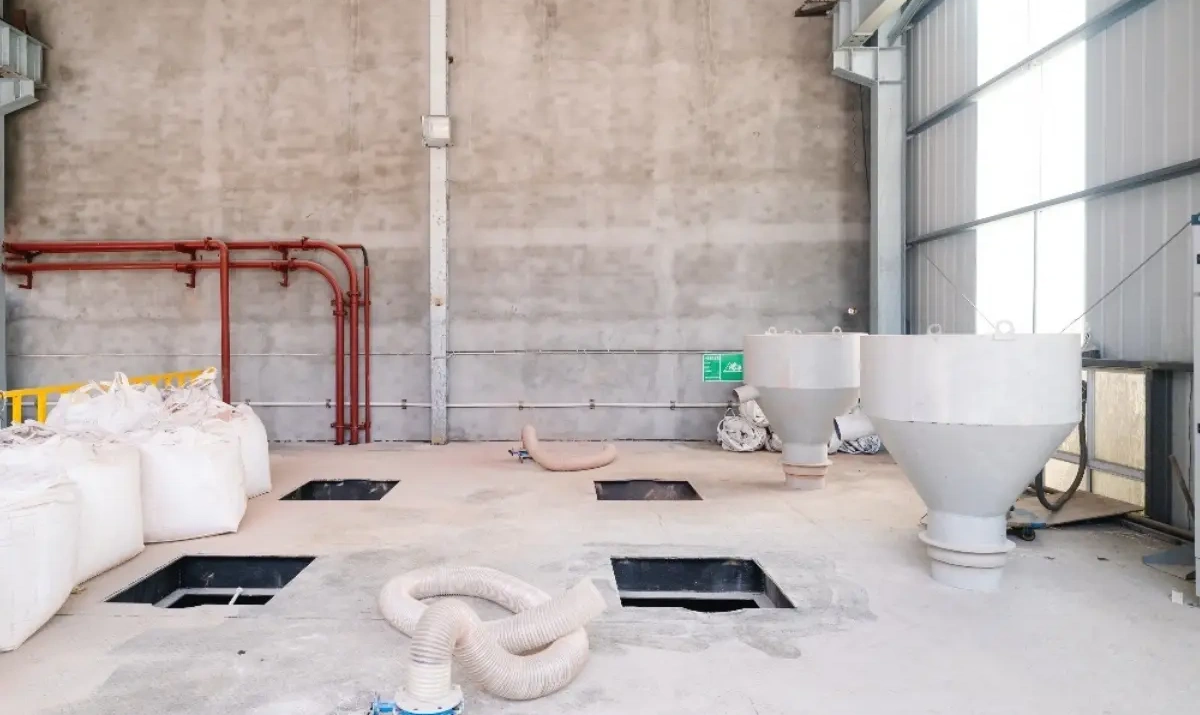
Wuxi BS has introduced an automated solid polymer preparation and dosing system, designed to eliminate manual dissolution variances and maximize downstream flocculation efficiency.
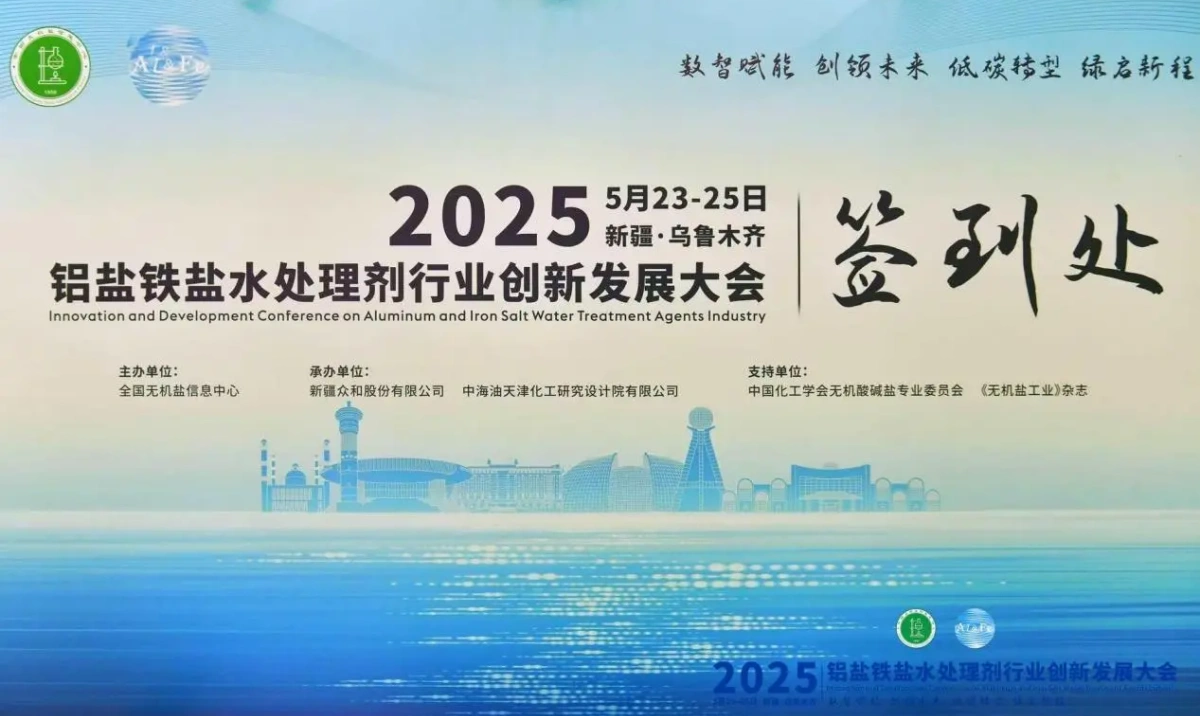
Highlights from Wuxi BS's participation in national green synthesis panels, mapping out the decarbonization of commercial polyaluminium chemical production lines.
Industrial formulations engineered to meet exact client standards and international regulations
 BS Water