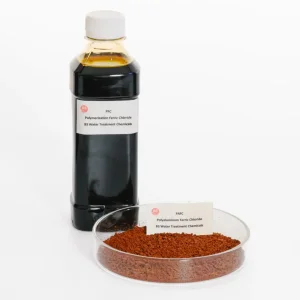
Advanced composite inorganic polymer providing rapid floc formation and high density settling characteristics.
View Details
High molecular weight polymer ideal for bridging suspension particles and industrial sludge dehydration.
View Details
Specially optimized formulation for heavy metal wastewater treatment and complex minerals mining washes.
View Details
Strong cationic charge density polymer designed for neutralization and coagulation of negatively charged organics.
View Details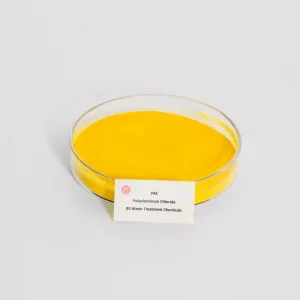
Premium dry-sprayed PAC granules with low dust emission, high solubility, and zero caking storage profile.
View Details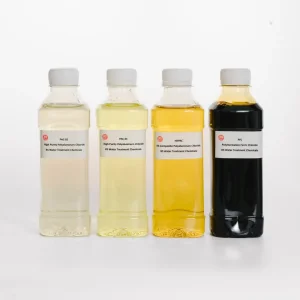
Clear, light yellow fluid variant for instant automatic inline dosing without powder preparation steps.
View Details
Purified solution designed specifically for municipal drinking water plants and high-end industrial uses.
View Details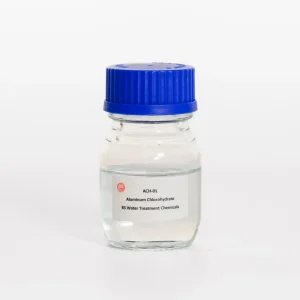
Highly concentrated aluminum coagulant providing exceptional TOC reduction and low sludge output.
View DetailsIn modern industrial and municipal operations, Aluminium Sulphate flocculant (also known as alum or alum cake) remains the foundation of raw water clarification and industrial wastewater sludge handling. Across the globe, expanding urbanization, rigorous environmental regulations, and a shift toward water reclamation have triggered exponential demand for reliable, cost-efficient, and highly active aluminum-based coagulants.
The global market for chemical coagulants has evolved from standard iron and alum crystals to high-purity inorganic polymers. While traditional aluminum sulfate continues to serve massive agricultural runs and primary municipal settling tanks due to its low initial cost, chemical engineers in developed jurisdictions are increasingly optimizing their operations using pre-hydrolyzed compounds. Key industrial centers across the Americas, Europe, and the Asia-Pacific region are prioritizing flocculation efficiency metrics: floc formation speed, filtration run lengths, and residual aluminum limits in treated water.
By leveraging polymeric modifications, current manufacturing methods combine the low-cost structural basis of standard aluminum salts with long-chain macromolecular organic cross-linkers. This technology stabilizes floc matrices, reducing overall chemical dosing requirements by up to 40% and offering robust protection to downstream microfiltration and reverse osmosis membranes.
Global regulatory frameworks (such as the EPA, EU REACH, and regional environmental standards) have severely restricted allowed thresholds for heavy metals, phosphates, and suspended solids in effluent discharge. The industry is moving toward high-basicity coagulants that minimize dissolved ion residues in output streams.
Landfill disposal costs for wet sludge have increased significantly. Modern industrial operations utilize hybrid combinations of inorganic flocculants (such as PAC) and cationic polyacrylamide (CPAM) to produce highly compact, dry filter cakes that reduce transportation and handling overheads.
Traditional alum can cause significant drop-offs in water pH, requiring secondary neutralization agents. Advanced polymers like Polyaluminium Chloride (PAC) and Aluminum Chlorohydrate (ACH) exhibit higher basicity percentages, leaving pH levels balanced while minimizing operational complexity.
Our chemical engineering facility designs and manufactures comprehensive chemical classes for drinking water and domestic/industrial wastewater purification systems.
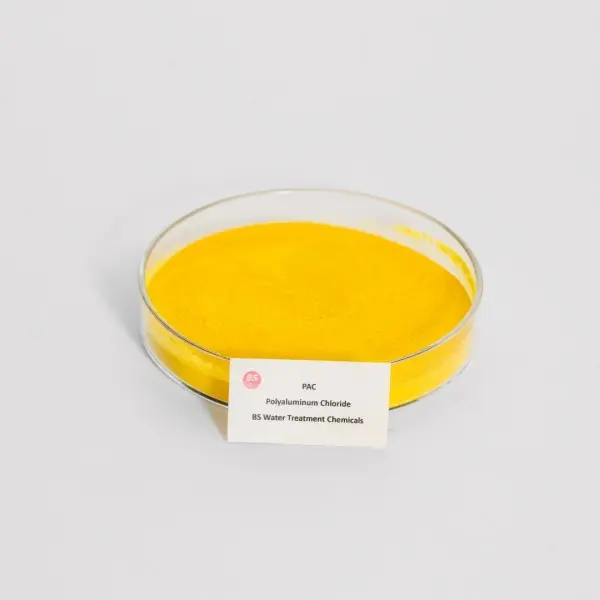
Highly efficient inorganic polymer coagulant available in both high-purity spray-dried powder and concentrated liquid variants. Ideal for rapid charge-neutralization across variable pH ranges.
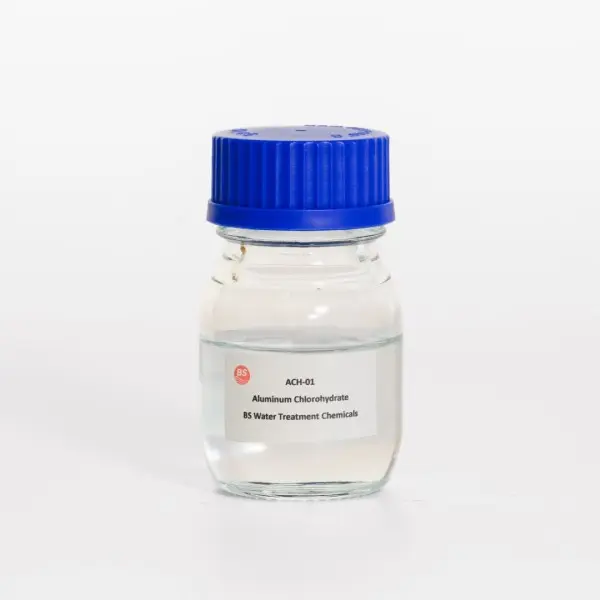
High basicity (up to 83%) inorganic coagulant containing the highest concentration of active alumina. Exceptional performance in low turbidity source waters with minimal alkalinity consumption.
Available in Anionic, Cationic, and Non-ionic configurations. Features ultra-long chain macromolecules designed to bind micro-flocs into heavy, rapid-settling aggregates.
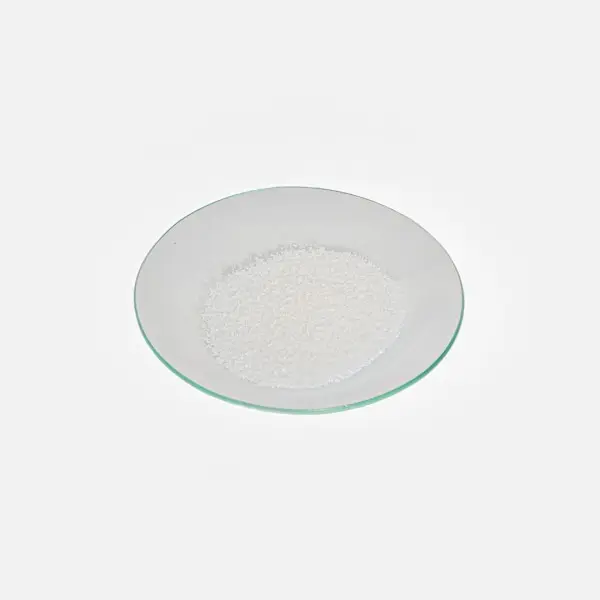
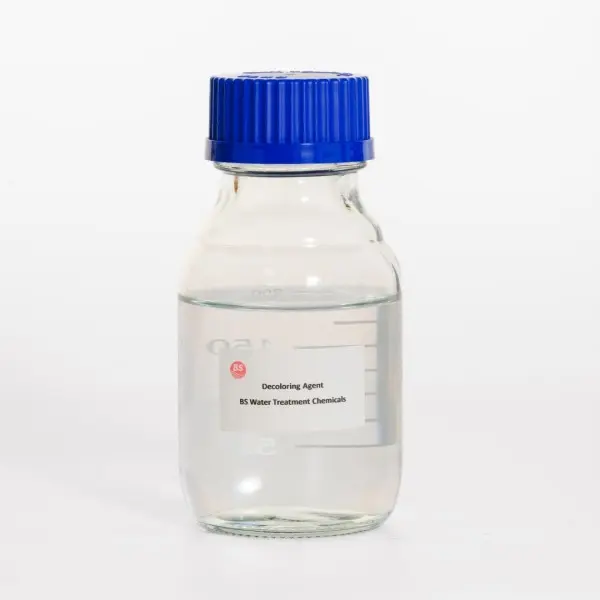
Dicyandiamide-formaldehyde copolymer designed to decolorize, flocculate, and reduce COD in heavily colored dye effluents from textile and chemical processing plants.
In aqueous environments, raw water turbidity is primarily driven by negatively charged colloidal particles (clay, organic matter, bacteria, and silica). Because these particles carry matching negative electrical charges, they repel one another, remaining indefinitely suspended in a stable colloid state.
Our advanced Aluminum-based coagulants address this instability through three primary mechanisms:
| Coagulant Class | Active Alumina (Al2O3) | Basicity Range (%) | Optimal Operating pH | Primary Target Application |
|---|---|---|---|---|
| Aluminum Sulfate | 15.8% - 17% (Solid) | 0% | 6.0 - 7.5 | Low-cost primary clarification, sizing paper mills |
| Polyaluminium Chloride (PAC) | 28% - 30% (Solid) | 45% - 85% | 5.0 - 9.0 | Municipal drinking water, complex industrial runoffs |
| Aluminum Chlorohydrate (ACH) | 23% - 24% (Liquid) / 46%+ | 80% - 83% | 5.5 - 9.5 | Ultra-low turbidity source water, membrane pretreatments |
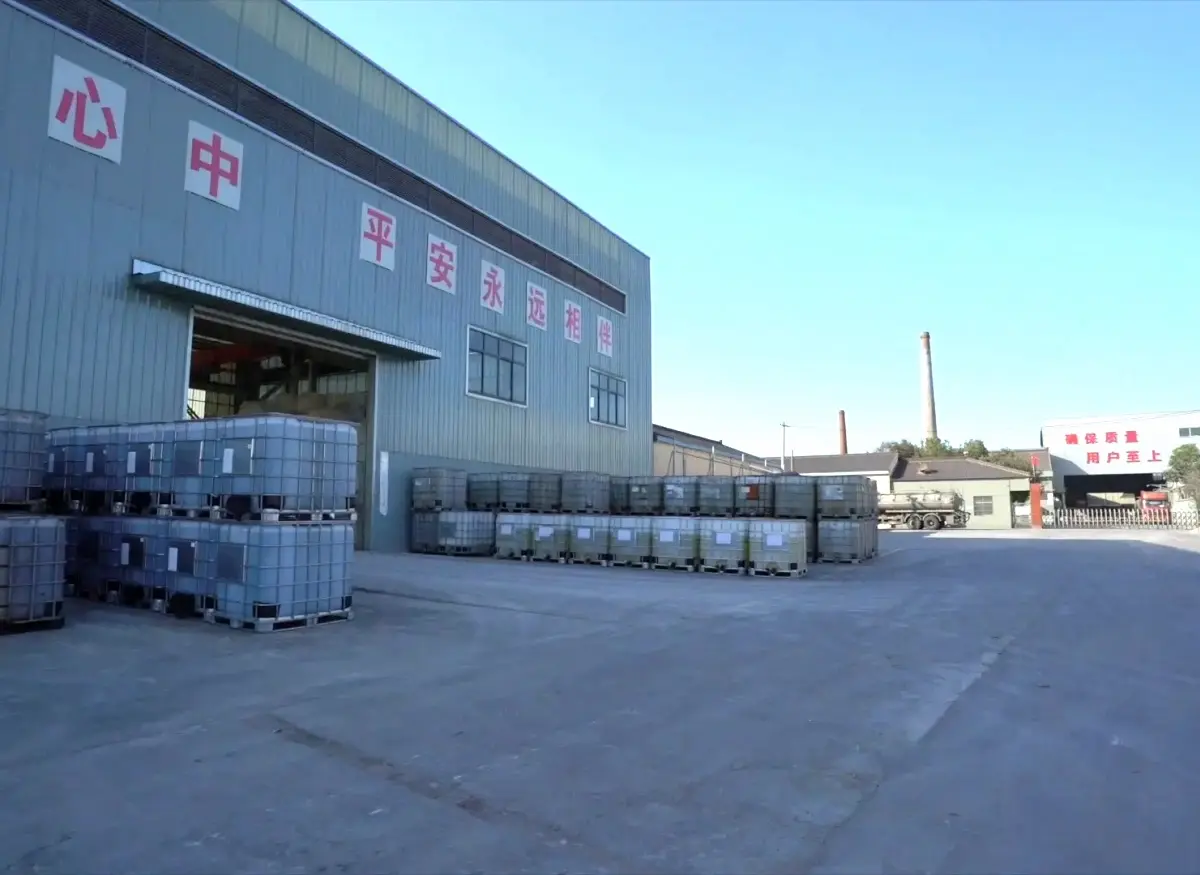
A Technology Leader with 27 Years of Expertise in Water Treatment Chemicals. Founded in 1998, Wuxi BS possesses advanced production technology and rich management experience. We specialise in producing a series of water treatment products for the treatment of drinking water and various types of domestic and industrial wastewater.
Since our transition into direct exporting in 2007, our products have successfully reached plant managers, global distributors, and engineering contractors in over 30 countries. We run state-of-the-art production reactors with precise polymerization parameters, ensuring chemical batch stability for our global clients.
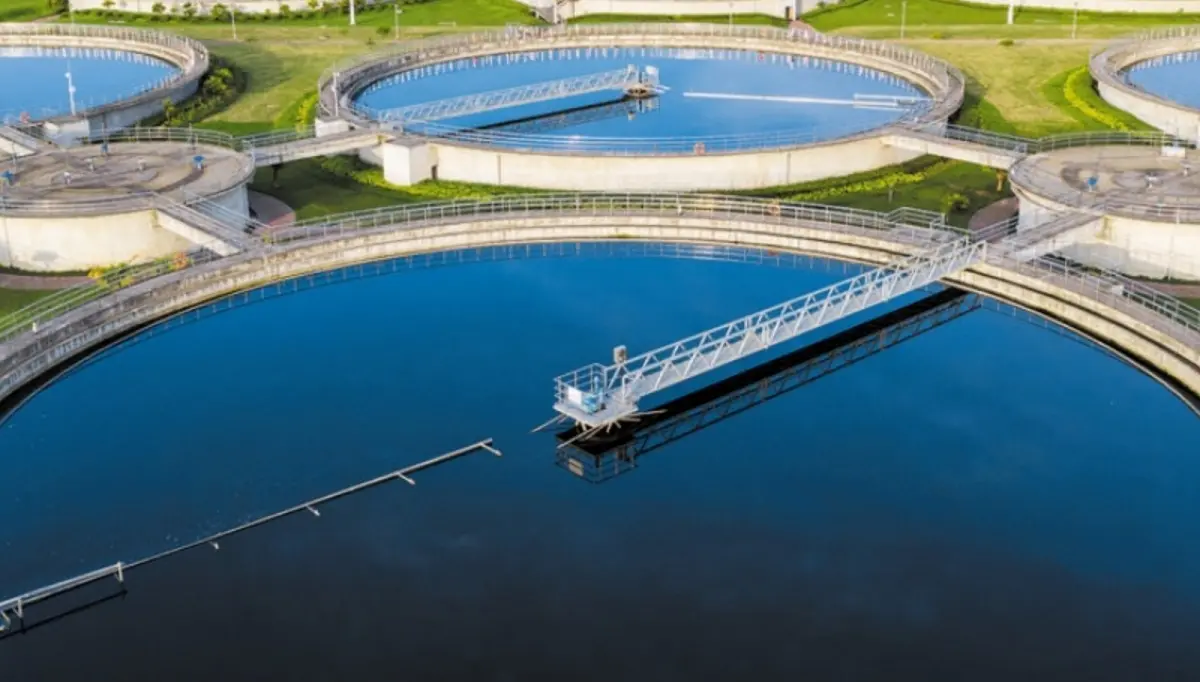
Accelerates flocculation rate and phosphate removal in primary and secondary municipal clarification tanks.

Assists in oily wastewater separation, polymer flooding cleanup, and oilfield reinjection water treatments.
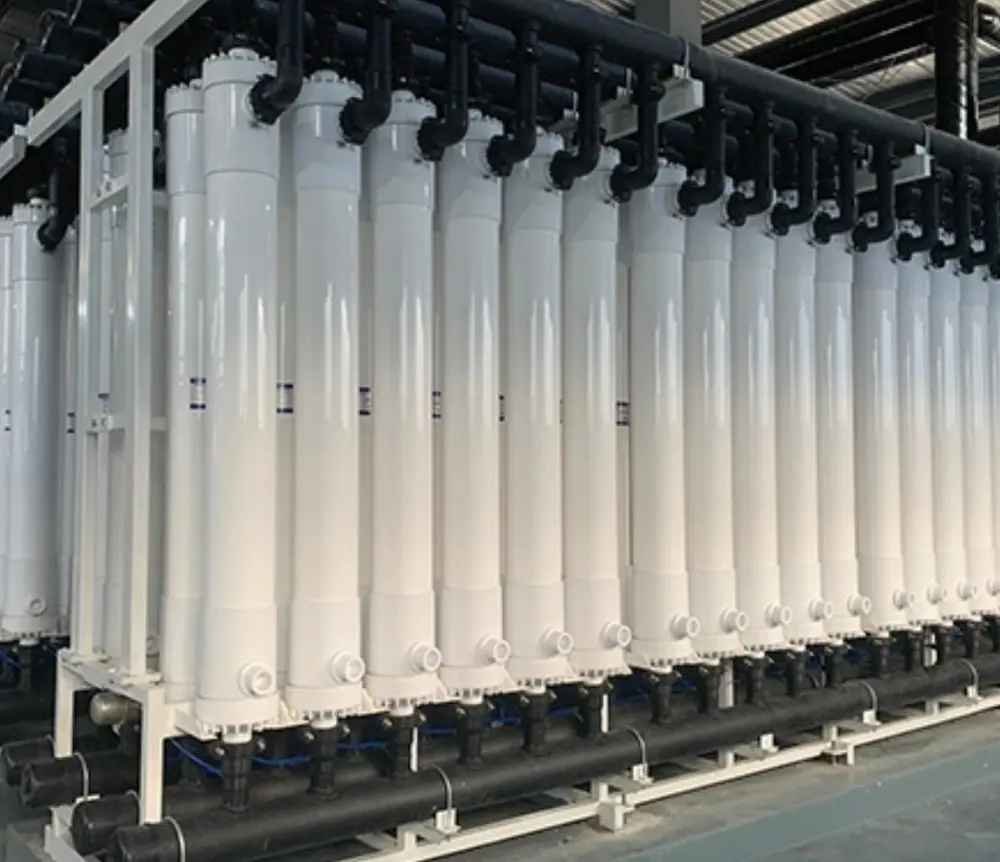
Minimizes downstream fouling of high-performance RO membranes by eliminating fine colloids.
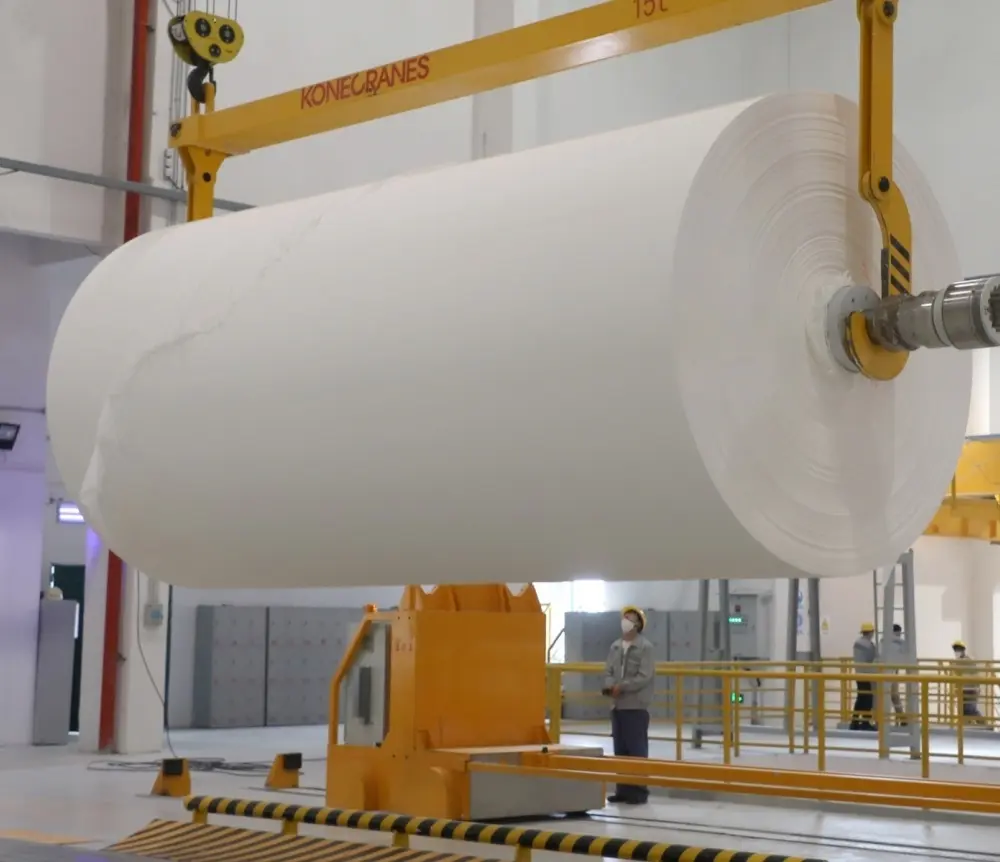
Functions as an essential retention aid and sizing agent, enhancing fiber bonding and dry strength.
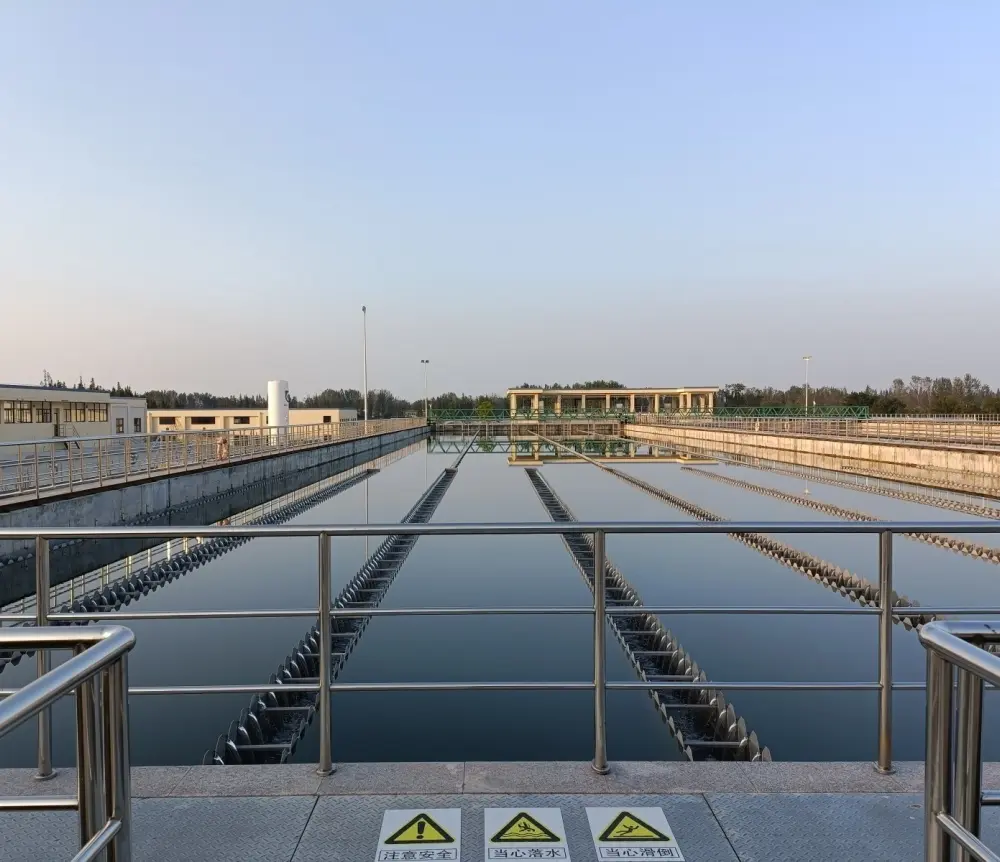
High-purity chemical options designed to clear suspended particulates while meeting strict sanitary safety requirements.
We provide full-cycle support, beginning with lab-scale jar testing. Our engineers analyze water quality parameters to formulate the optimal chemical blend for your plant.
Our annual sales volume exceeds 500,000 tons, supported by a 20,000-ton finished product warehouse to ensure continuous chemical supply to our global partners.
Intelligent production lines coupled with full-process quality control systems ensure consistent chemical quality and minimize chemical property deviations between batches.
Since 1998, we have continually innovated our formulations, developing custom cationic values and specific densities to address complex waste streams.
Wuxi Bisheng Water Treatment chemical facility established, producing primary inorganic coagulants.
Facility renamed as Wuxi Bisheng Water Treatment Agent Co., Ltd. and upgraded to automated reactors.
Initiated global export operations, supplying key water treatment chemicals via regional distributors.
Annual export sales surpassed $10 Million USD, demonstrating our strong position in global chemical markets.
Established dedicated global trade division to streamline logistics and technical support for international clients.
In B2B industrial systems, optimizing chemical costs requires matching water parameters with the correct coagulant chemical structures. Selecting an incorrect chemical formulation or incorrect dosing can lead to dispersion failure or system fouling. Here is our step-by-step optimization roadmap:
Before selecting standard alum or polymer alternatives like PAC, check the raw water's pH, total alkalinity, temperature, and zeta potential. Low temperature water slows standard aluminum hydrolysis, making pre-hydrolyzed polymeric coagulants like PAC or ACH more effective in winter conditions.
Determine the optimal dosage using standard jar tests:
Overdosing coagulants can cause charge reversal, re-dispersing colloids and increasing turbidity. Excess dissolved aluminum can also lead to scaling on downstream processing equipment. Regular testing helps maintain optimal dosage levels.
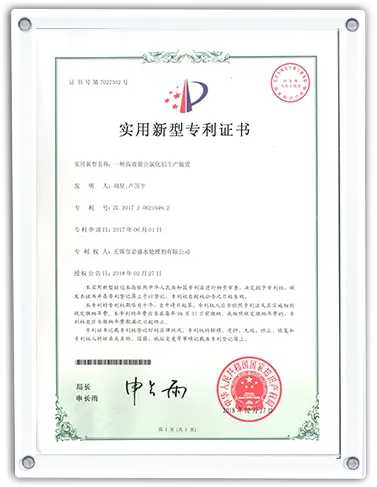
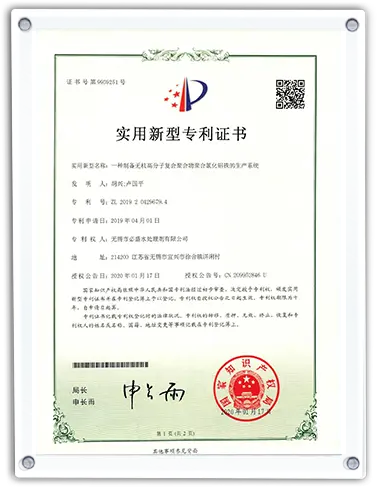
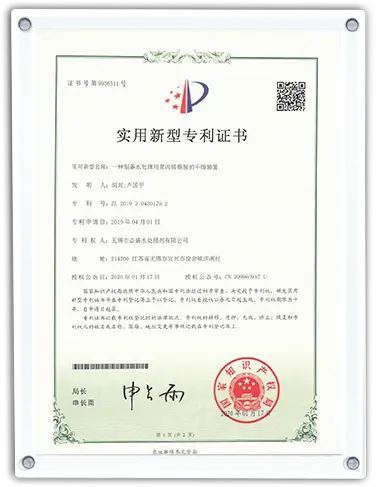
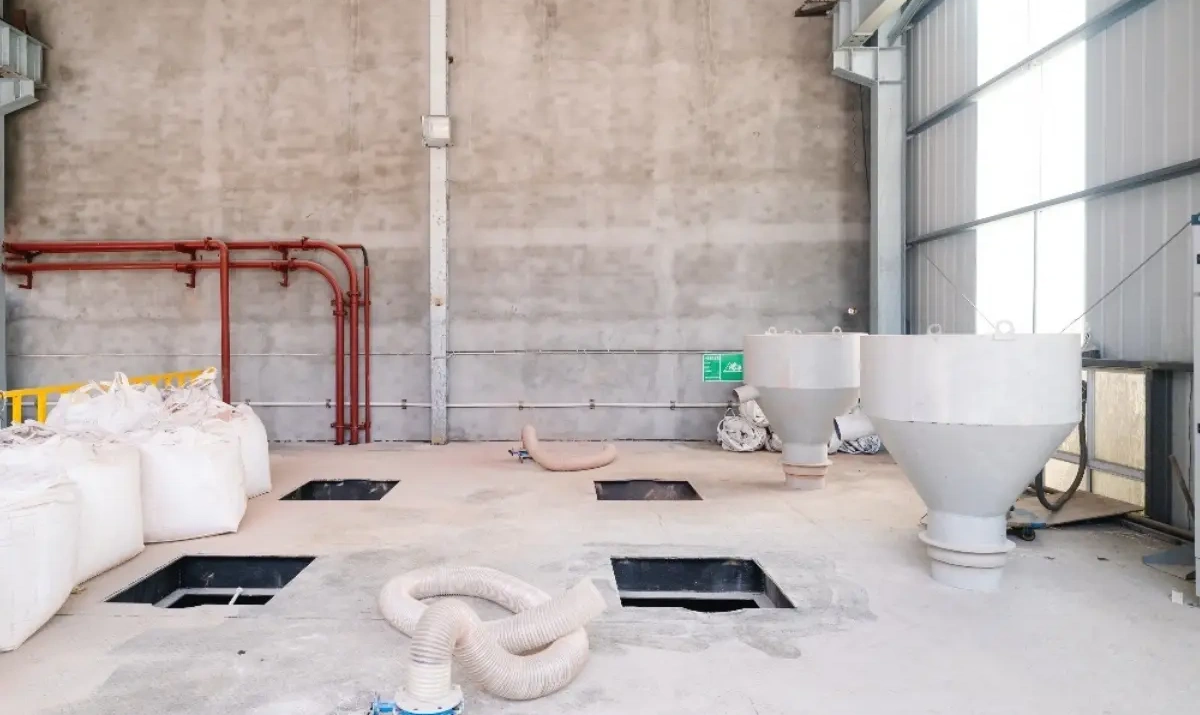
Our plant has introduced digital dry feeding systems to help municipal water facilities automate dosing, reduce chemical waste, and stabilize water turbidity.
Get in touch for custom formulations, dosage calculations, and pricing information.
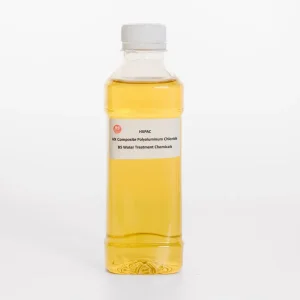
Advanced composite PAC formulation designed for complex wastewater treatment applications.
View Details
Clear to light yellow solution containing 10%-15% active ingredient for easy handling.
View Details
Dual-metal polymer coagulant designed to accelerate settling and sludge compaction.
View Details
Concentrated ACH solution designed for optimal performance in paper mills and municipalities.
View Details
Stable liquid polymer formulation designed for automatic water clarification setups.
View Details
Toxicity-optimized cationic polymer suitable for clean municipal raw water runs.
View Details
Flocculant designed for decolorization, TOC removal, and sludge drying applications.
View Details
A balanced formula that combines coagulation and decolorization in a single step.
View Details BS Water

