High-performance polymeric formulations engineered for superior coagulation, flocculation, and structural sludge dewatering across global municipal and manufacturing infrastructures.
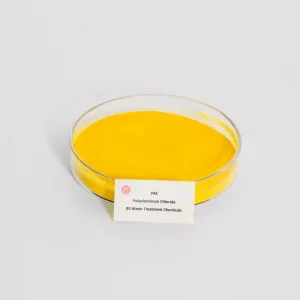
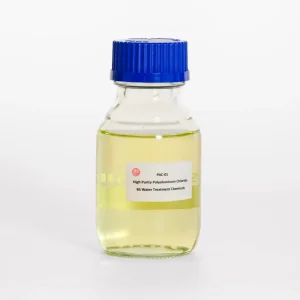
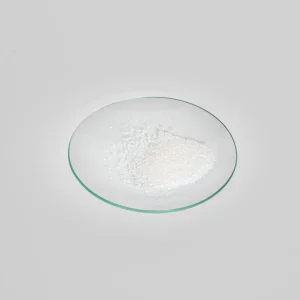
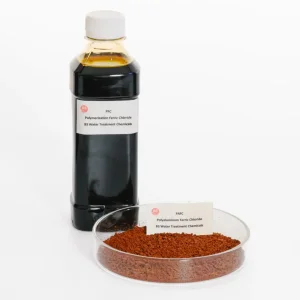
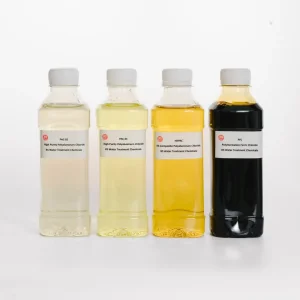
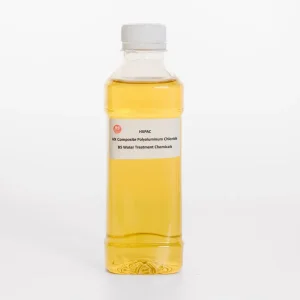
Modern water remediation has evolved beyond basic physical screening and simple mineral precipitation. Today, global regulatory agencies (such as the US EPA, European REACH, and national environmental bodies) impose strict limits on effluent turbidity, phosphorus, heavy metals, and residual chemical contents. Within this regulatory frame, polymeric water treatment chemicals serve as the foundational backbone for municipal drinking water systems, large-scale industrial manufacturing, petrochemical refinement, papermaking processes, and closed-loop municipal recycling systems.
Industrial polymer coagulants and flocculants are designed to resolve colloidal instability. In natural and process waters, microscopic particles carry a negative surface charge (Zeta potential), preventing them from aggregating. High molecular weight polymers and highly charged cationic/anionic agents neutralize these surface charges, allowing micro-flocs to collide, bridge, and consolidate into heavy, rapid-settling macro-flocs. This step is critical in reducing settling times, maximizing filter performance, and lowering sludge disposal costs.
Established in 1998, Wuxi BS Water Treatment Chemicals Co., Ltd. has developed into a premium developer and large-scale exporter of water treatment agents. Located in Wuxi, Jiangsu Province, China, our company utilizes advanced automated polymer synthesis lines and strict QA/QC testing protocols. We specialize in producing a comprehensive portfolio of polymeric water treatment agents designed to optimize coagulation, flocculation, decolorization, and sludge dewatering for municipal waterworks and heavy industries worldwide.
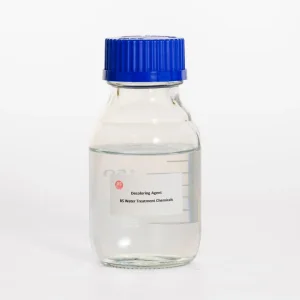
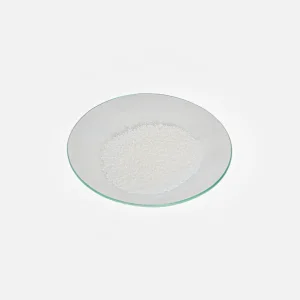
Understanding the molecular properties of polymer agents is essential to selecting the right treatment strategy. Our primary product families include:
Different industries require specialized polymeric formulas. Our targeted solutions resolve unique process and environmental challenges across diverse operational landscapes.
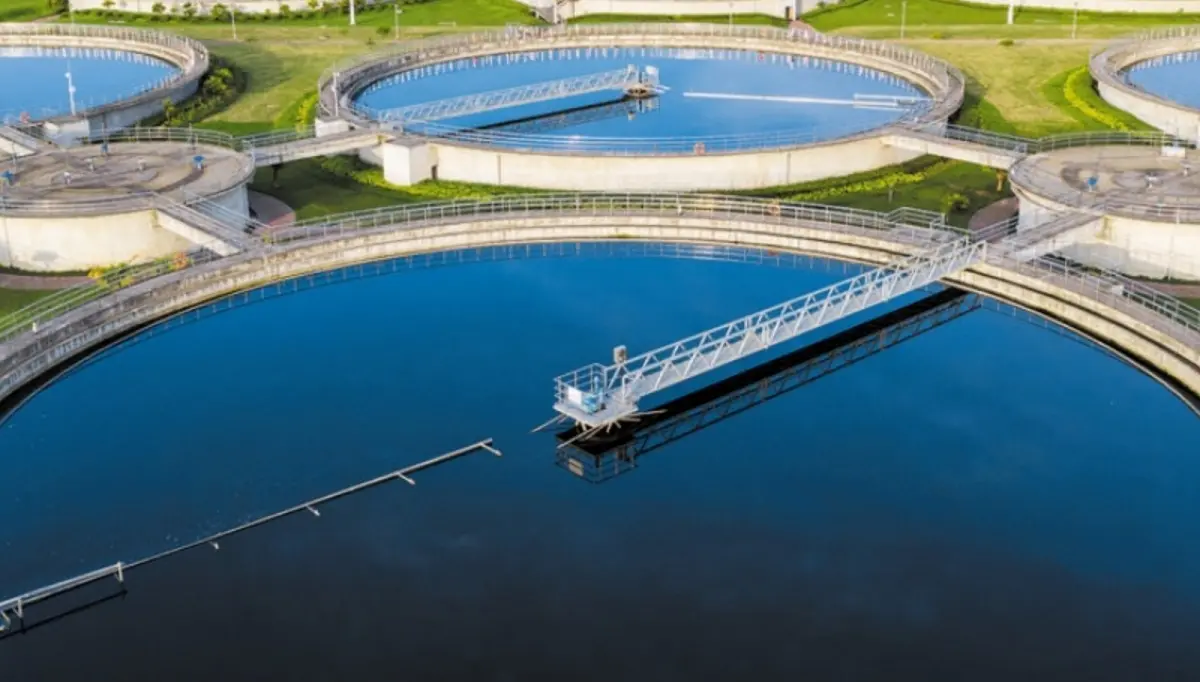
Our cationic polyacrylamides (CPAM) optimize sludge conditioning prior to belt press, centrifuge, or screw press operations, maximizing dry cake solid content while minimizing filtrate turbidity.

Specialized cationic demulsifiers and flocculants break oil-in-water emulsions, separating emulsified hydrocarbons from refinery wastewater to protect downstream biological treatment units.
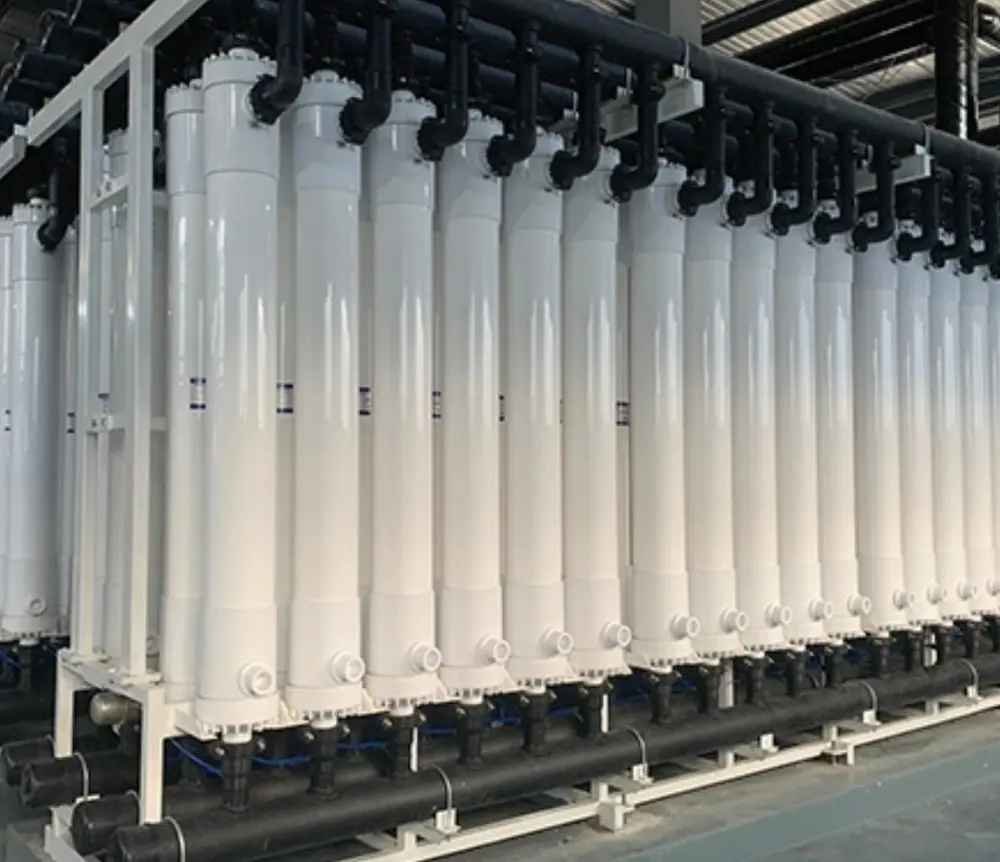
Ultra-pure PAC and low-dose coagulant polymers remove colloidal silica, iron, and humic substances, preventing membrane scaling and organic fouling in Ultrafiltration (UF) and Reverse Osmosis (RO) systems.
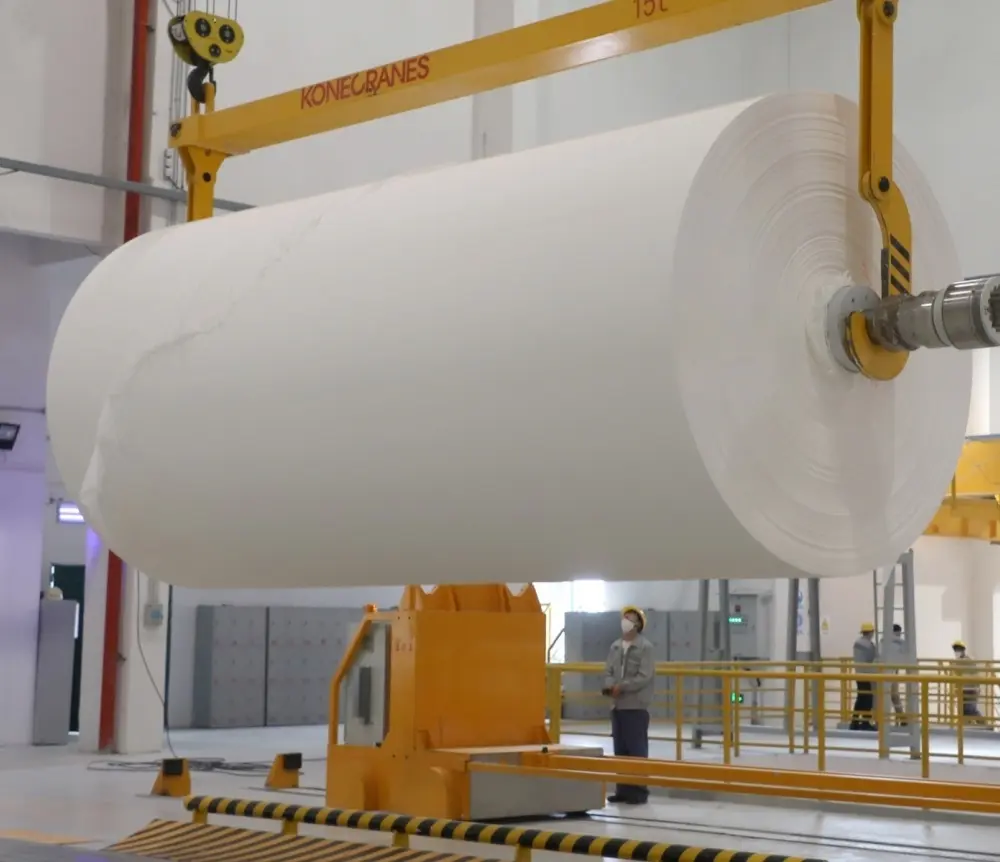
PDADMAC and anionic PAM serve as excellent retention and drainage aids. They bind fine cellulose fibers and mineral fillers, improving paper sheet formation, wet-end chemistry, and closed-loop process water recycling.
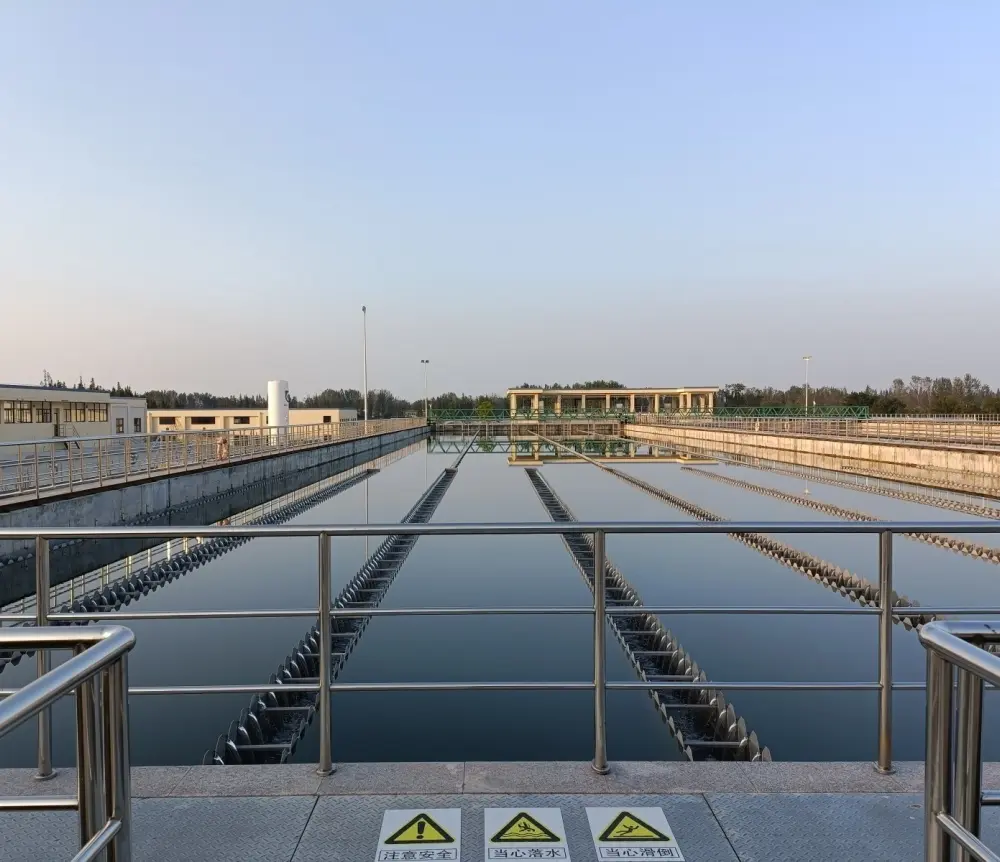
Our high-purity, low-heavy-metal PAC-01 and ACH conform to international drinking water hygiene standards, safely removing pathogens, humic acids, and suspended solids from raw water inputs.
Wuxi BS Water Treatment Chemicals Co., Ltd. provides robust chemical supply chains, global distribution infrastructure, and customized product options to meet high-volume demands.
Our engineering team provides comprehensive "water quality diagnostics," helping you select the ideal polymer molecular weight and charge density for your system.
With an annual sales volume exceeding 500,000 tons and a finished product warehouse holding over 20,000 tons, we maintain consistent supply even during market fluctuations.
Intelligent production lines, automatic solid-feeding systems, and multi-stage quality control guarantee batch-to-batch consistency and on-time international delivery.
Decades of continuous research have improved polymer molecular structures, salt tolerance, and thermodynamic stability, keeping our formulations at the forefront of the industry.
Exporting since 2007, we serve distributors, water services companies, and chemical wholesalers across the Americas, Europe, Southeast Asia, and the Middle East.
As the water treatment sector works toward decarbonization and carbon neutrality, the design and production of polymer chemistry are undergoing key technical transformations:
Traditional inorganic coagulants produce high volumes of metal hydroxide sludge, which requires expensive handling and disposal. The industry is shifting toward highly polymerized aluminum complexes, such as Aluminum Chlorohydrate (ACH) and Composite Polyaluminum Chloride (CPAC). These compounds have high basicity, reducing chemical consumption and chemical sludge output by up to 40%.
Synthetic polyacrylamides are highly effective but decay slowly in natural environments. Our future research focuses on grafting acrylamide monomers onto natural polysaccharide backbones (such as starch, chitosan, or cellulose). This approach yields high-performance flocculants with improved environmental compatibility.
To reduce human error and minimize chemical overuse, we design smart feeding systems that integrate with online Zeta potential analyzers and turbidity sensors. These systems dynamically adjust polymer dosing in real time, stabilizing plant operations during shifting raw water conditions.
Wuxi BS Water Treatment has steadily built its capacity and technology since its founding in 1998.
Our first production facility was established in Jiangsu Province, focusing on basic inorganic coagulants for local industries.
Renamed Wuxi Bisheng Water Treatment Agent Co., Ltd. and upgraded our production lines to produce high molecular weight polyacrylamides.
Obtained import/export clearances and began shipping our water purification agents to international markets through distribution networks.
Annual export sales exceeded $10,000,000, supported by optimized international logistics and bulk container operations.
Established our dedicated Foreign Trade division and integrated advanced digital dosing and feeding equipment to support customized formulation requests.
Wuxi BS products undergo strict manufacturing audits and meet international environmental, quality, and safety standards.
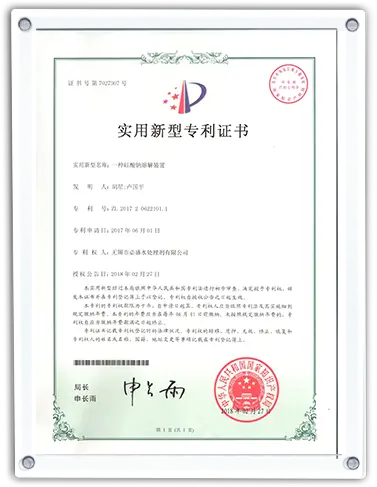
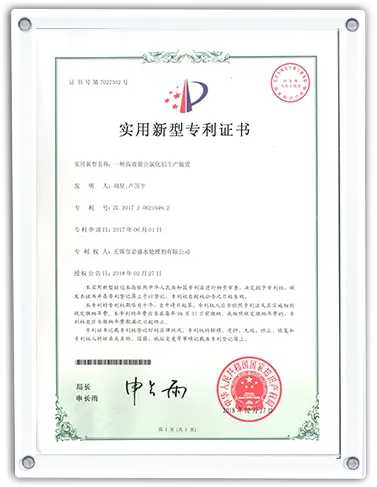
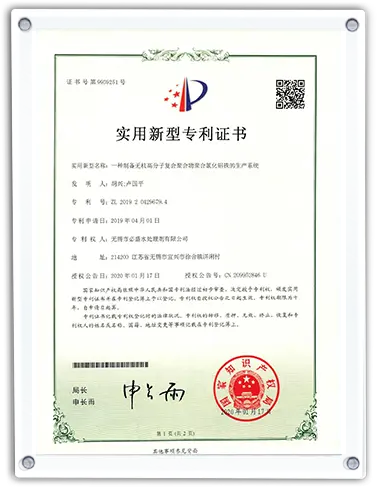
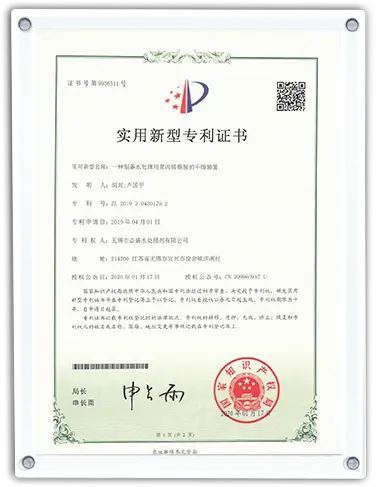
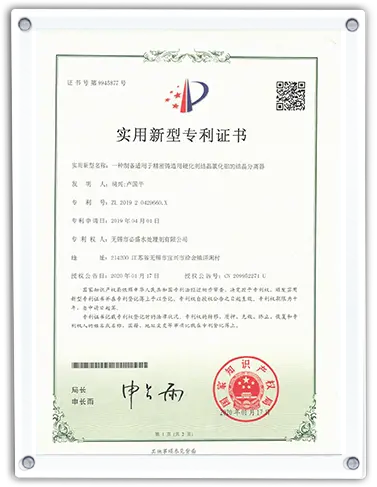
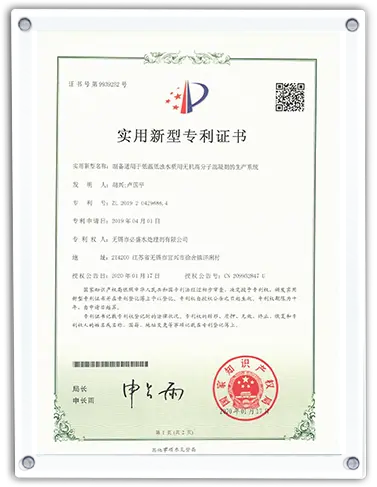
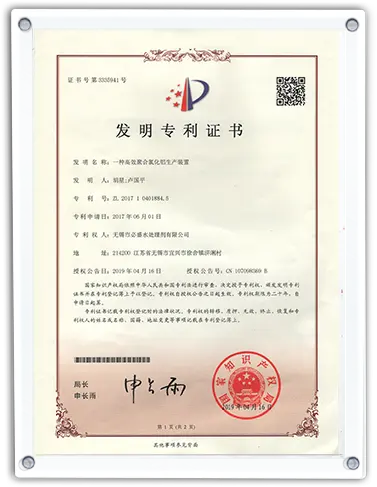
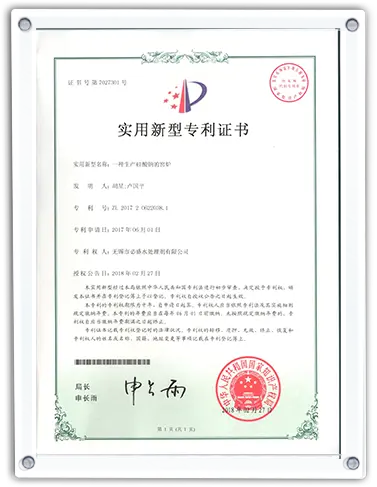
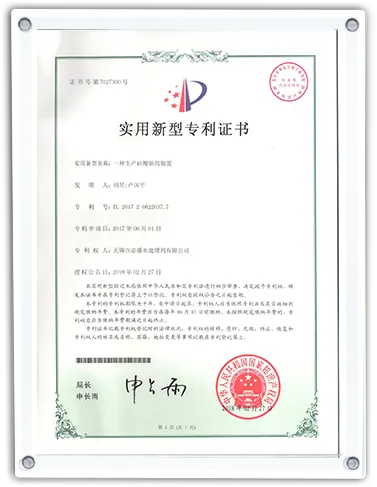
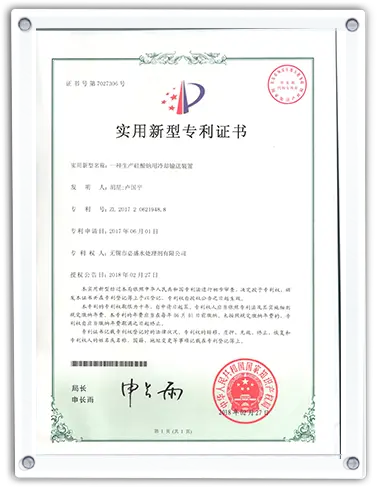
Technical details on polymer chemistry, packaging, dosing parameters, and wholesale logistics.
Do you need customized polymer formulations, jar testing support, or a bulk wholesale quote? Reach out to our team for assistance.
 Tel: +86 13584221461
 Email: [email protected]
Factory Address: Wuxi BS Water Treatment Chemicals Co., Ltd., Wuxi City, Jiangsu Province, China.
Find the right treatment chemicals for your systems, from liquid coagulants to high-efficiency decolorizing agents.
 BS Water