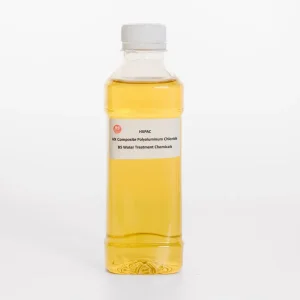
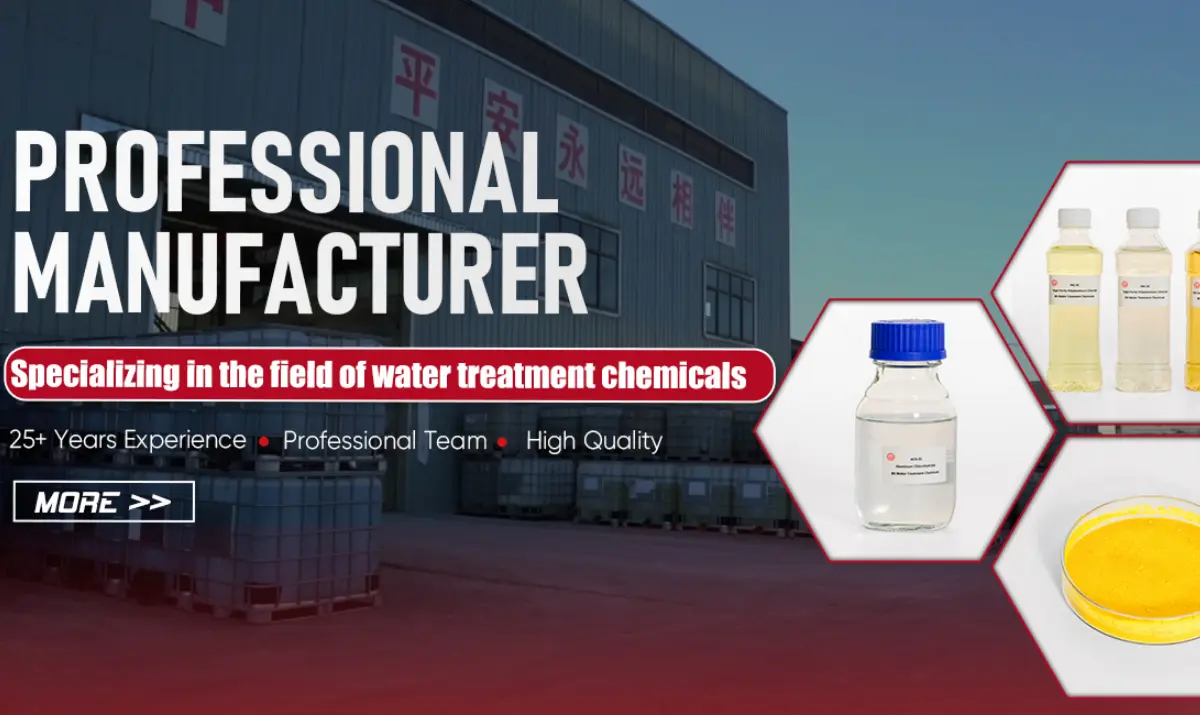
Direct from Wuxi BS Water Treatment Chemicals Co., Ltd. - Specialized high-performance chemistry engineered to meet stringent global discharge standards.
Understanding macro-environmental dynamics and technical shifts in industrial water systems.
The global industrial wastewater treatment market is undergoing unprecedented expansion, driven by stringent regulatory frameworks, declining freshwater availability, and mounting corporate commitments to Environmental, Social, and Governance (ESG) mandates. According to recent industrial data, the demand for high-performance coagulants and flocculants has shifted from conventional raw materials toward highly efficient, customized synthetic polymers. Municipalities and industrial entities globally are facing strict limits on Total Suspended Solids (TSS), Chemical Oxygen Demand (COD), Biochemical Oxygen Demand (BOD), and specific toxic heavy metal concentrations.
As a leading wholesale wastewater remediation supplier, Wuxi BS Water Treatment Chemicals Co., Ltd. addresses these complex regulatory challenges by providing optimized formulations such as Polyaluminium Chloride (PAC), Aluminum Chlorohydrate (ACH), Polyacrylamide (PAM), and specialty Water Decolorizing Agents. Developing regions, particularly in Southeast Asia, Latin America, and Eastern Europe, are rapidly updating their municipal infrastructures to incorporate membrane processes and advanced chemical pre-treatment stages. In highly industrialized regions like North America and the European Union, the push is toward closed-loop water systems (Zero Liquid Discharge - ZLD) and low-sludge-generation chemicals.
The convergence of artificial intelligence and chemical dosage systems represents the next frontier in process optimization. Modern treatment facilities utilize online turbidity sensors, TOC analyzers, and streaming current detectors to dynamically adjust chemical feeds. By tailoring the cationic charge density and molecular weight distribution of agents like PDADMAC and CPAM, treatment plants can minimize chemical usage while maintaining compliance under variable influent conditions.
Explore our extensive portfolio of polymeric and inorganic water treatment chemicals tailored for diverse purification needs.
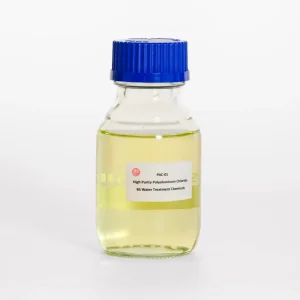
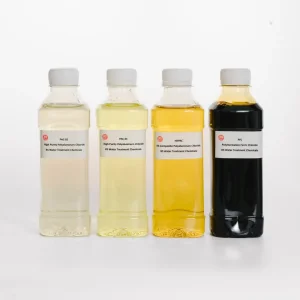
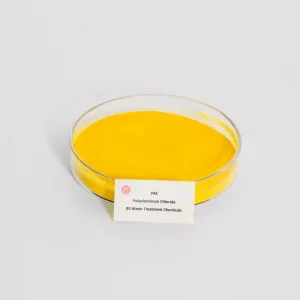
Highly effective inorganic polymer coagulant with superior basification profiles. Our PAC variants exhibit excellent floc formation speed and low temperature suitability. Ideal for high turbidity municipal and industrial raw water coagulation.
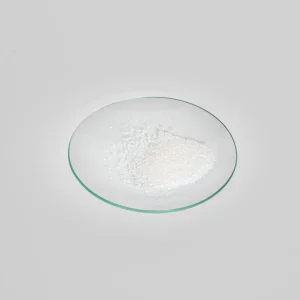
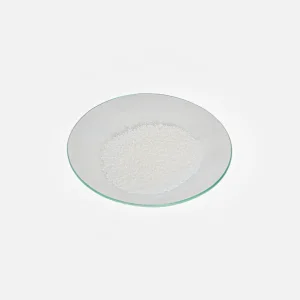
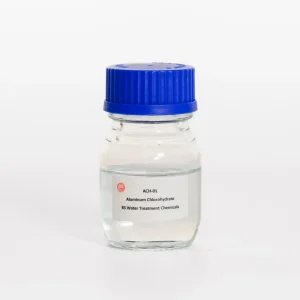
Maximized basicity (up to 83%) and high Al₂O₃ content (up to 24% liquid, 46% solid). Highly concentrated inorganic coagulant that produces minimal sludge volume, maintains stable pH conditions, and reduces overall dosing system maintenance costs.
Available in Anionic (APAM) and Cationic (CPAM) formats. Engineered with distinct molecular weights and charge densities. Crucial for acceleration of solid-liquid separation, secondary clarification, and high-efficiency sludge dewatering applications.
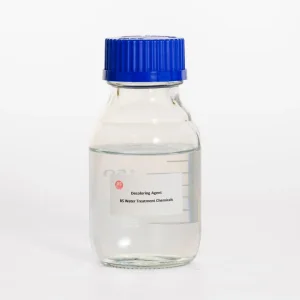
Specialized cationic quaternary ammonium polymer optimized for highly colored effluents. Exceptional performance in textile, dyestuff, and paper industrial process streams, demonstrating rapid decolorization and COD reduction.
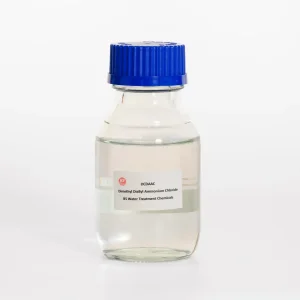
Liquid cationic polymer with exceptional charge density. Primarily utilized in primary coagulation processes, raw water clarification, and pulp and paper processing, acting as an efficient trash catcher and retention aid.
Advanced chemical formulation blending organic polymer chains with structured inorganic aluminium salts. Engineered to treat highly recalcitrant mixed industrial organic wastewater streams.
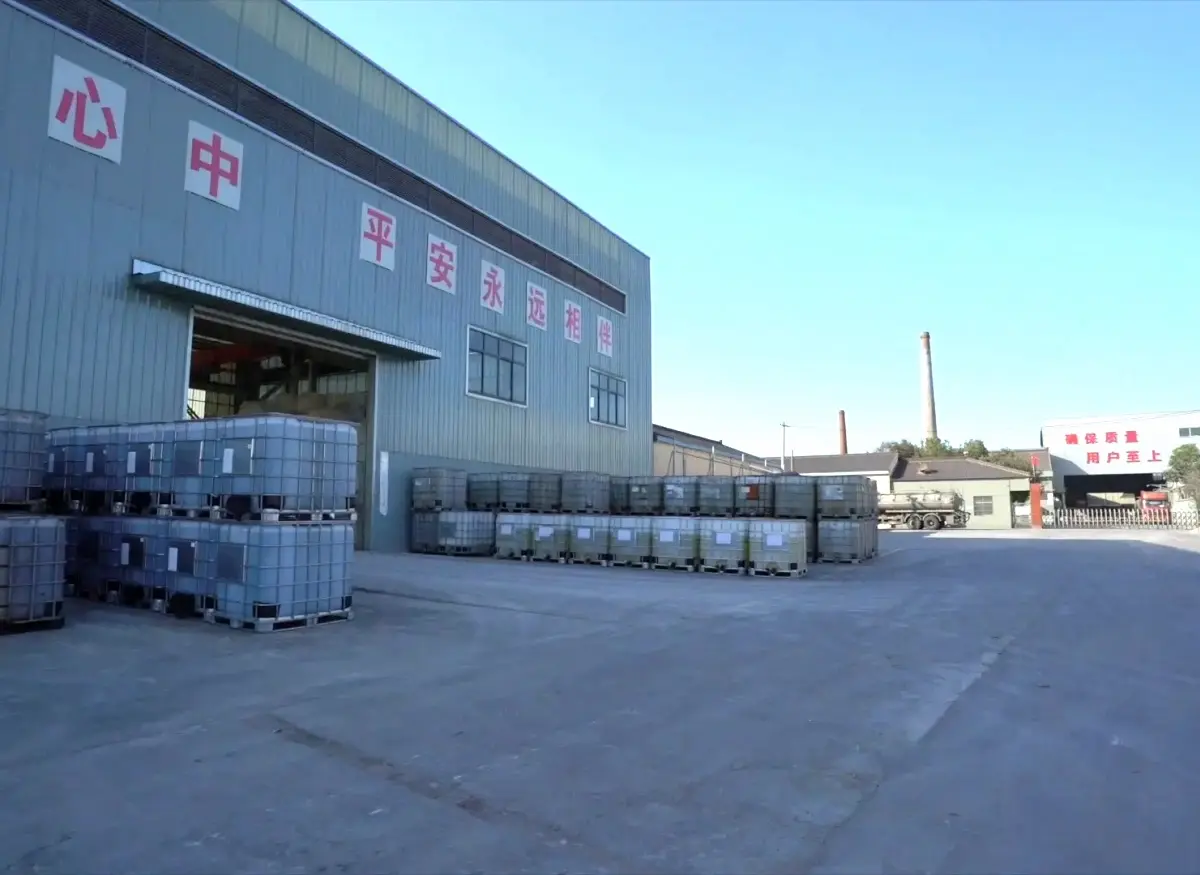

Founded in 1998, Wuxi BS Water Treatment Chemicals Co., Ltd. possesses advanced production technology and extensive industrial chemical management experience. We specialize in producing a comprehensive series of water treatment chemistry systems targeting municipal potable water production alongside domestic and highly complex industrial wastewater streams.
Over 27 years of research, optimization, and scaling, our production capacity has kept pace with shifting global requirements. Through robust supply chains, advanced automation lines, and a rigid quality check matrix, we deliver reliable solutions to water plants, manufacturing facilities, and distributors in over 50 countries.
Providing precision chemistry across primary industrial water management matrices, safeguarding equipment integrity and compliance.

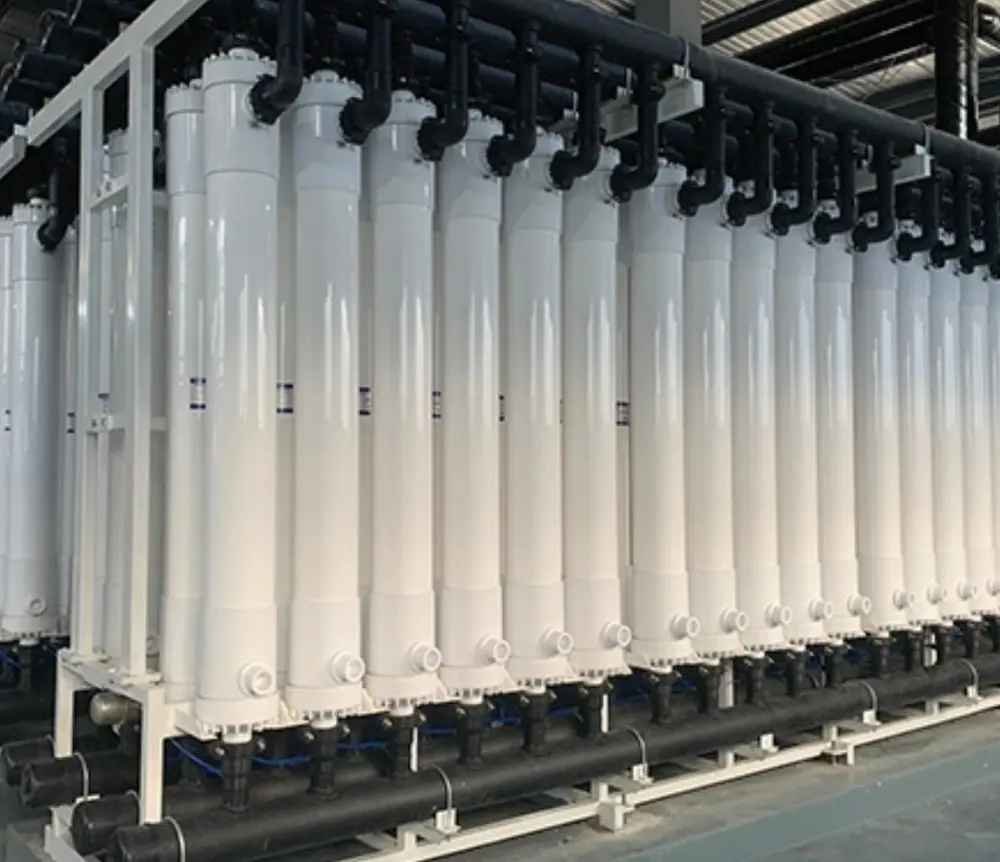
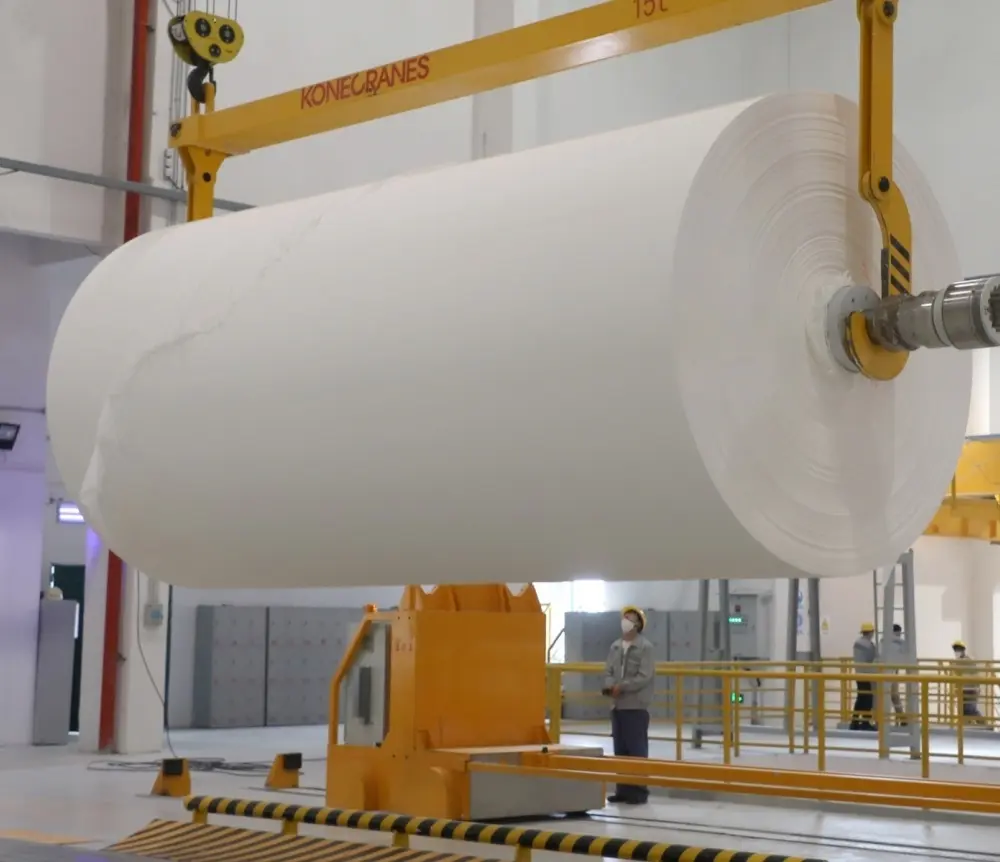
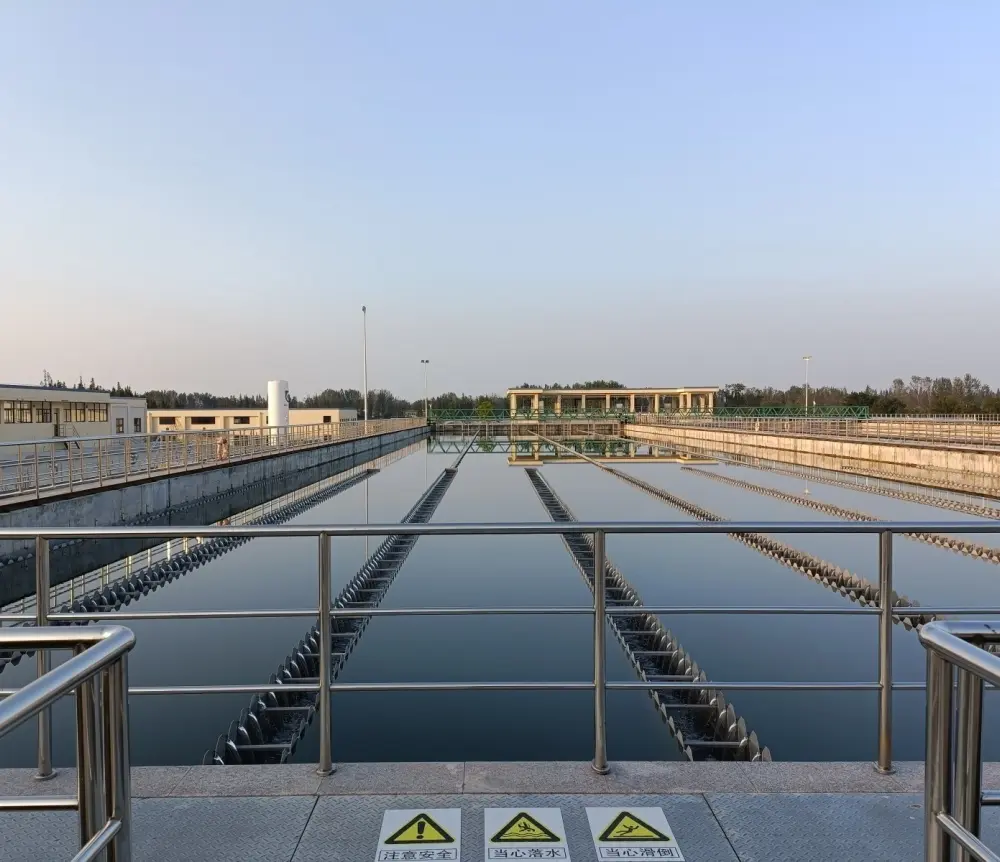
Comprehensive custom synthesis and supply chain solutions built for global operations.

Professional engineers providing full-cycle water analysis and dynamic jar testing services.


Over 500,000 tons annual output supported by structured digital supply structures.

Integrated automated packing, rapid logistics, and warehouse buffer infrastructure.

Continuous innovation in poly-aluminium structures and synthetic organic flocculants.

Exporting to key global distributors, compliance agencies, and plants since 2007.
Our plants operate under strict compliance to deliver consistent high-performance water treatment chemical grades.
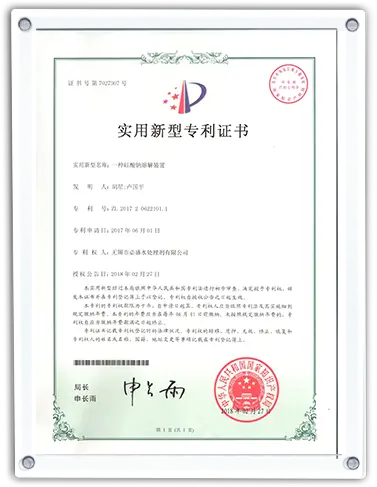
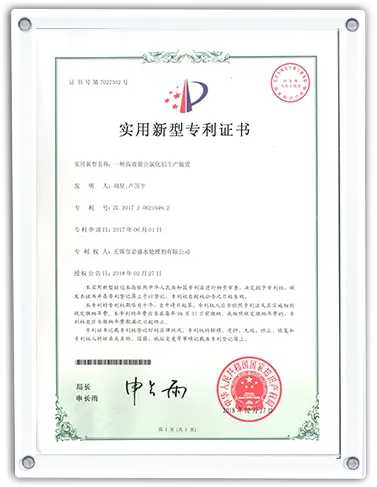
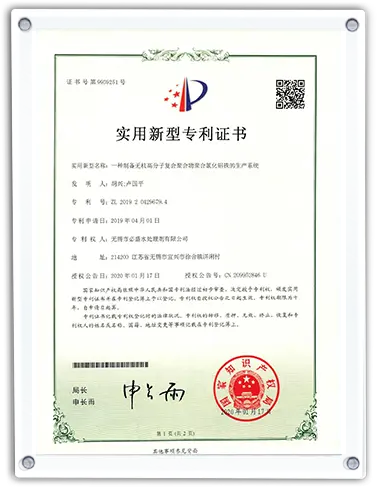
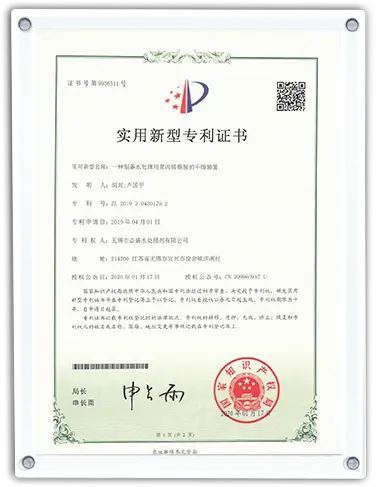
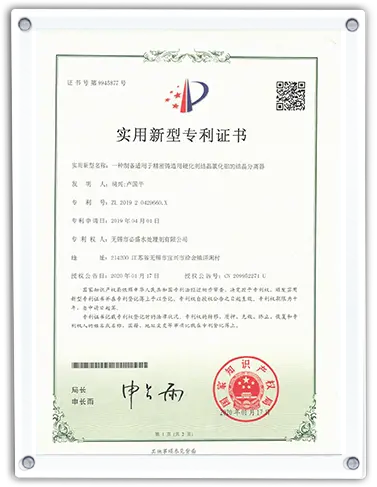
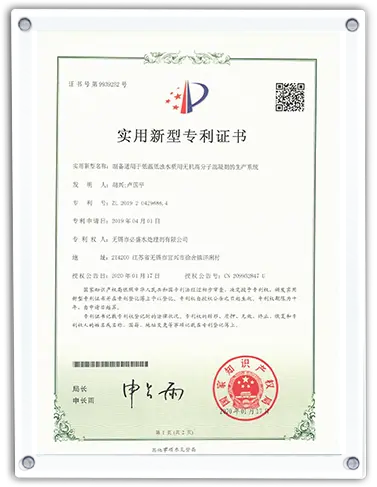
Trace the evolution of our production capabilities and market development.
The manufacturing facility was established in Jiangsu Province, starting with primary inorganic coagulants.
Formally renamed as Wuxi Bisheng Water Treatment Agent Co., Ltd. to align with expanded chemical research fields.
Launched systematic global export operations via international distributors and chemical brokers.
Annual sales values crossed the $10,000,000 mark following major capacity expansions.
Formed dedicated foreign trade and engineering support departments to enhance direct customer interaction.
Further investments in eco-friendly flocculant synthesis lines and carbon-neutral production pathways.
Addressing specific water parameters in diverse environmental frameworks.
Regional variations in water geology dictate local chemical treatment selections. In areas with high limestone concentrations, municipal water features elevated hardness and pH profiles. When treating these systems, selecting high-basicity coagulants like Aluminum Chlorohydrate (ACH) is essential to prevent drop-off in systemic alkalinity, eliminating the need for lime or sodium hydroxide adjustments. Conversely, in soft-water areas, utilizing customized polyaluminium blends ensures stable floc formation without creating corrosive, acidic conditions in distribution pipelines.
For industrial zones focusing on high-COD textile effluents, our technical roadmap prioritizes high-charge cationic decolorizing agents. These specialty polymers target the complex molecular structures of reactive, acid, and disperse dyes. By forming dense, insoluble complexes, they allow rapid clarification through standard dissolved air flotation (DAF) or sedimentation basins. The chemistry not only removes visible color but significantly reduces bio-toxicity prior to biological treatment loops.
In sludge management, our research highlights a shift toward high molecular weight Polyacrylamides (PAM) designed to withstand high-shear conditioning equipment like decanter centrifuges and belt presses. Modern wastewater treatment systems require rapid sludge conditioning to improve cake dryness, which reduces subsequent transport and disposal costs.
Key technical insights on coagulant applications, dosage management, and selection.
Reach out to Wuxi BS Water Treatment Chemicals Co., Ltd. for custom formulation requests, jar test support, bulk pricing, and export logistics documentation.
Premium grade chemicals designed for maximum filtration and sludge compaction across diverse operational frameworks.
Stay updated with our latest operations, product developments, and chemical technology breakthroughs.
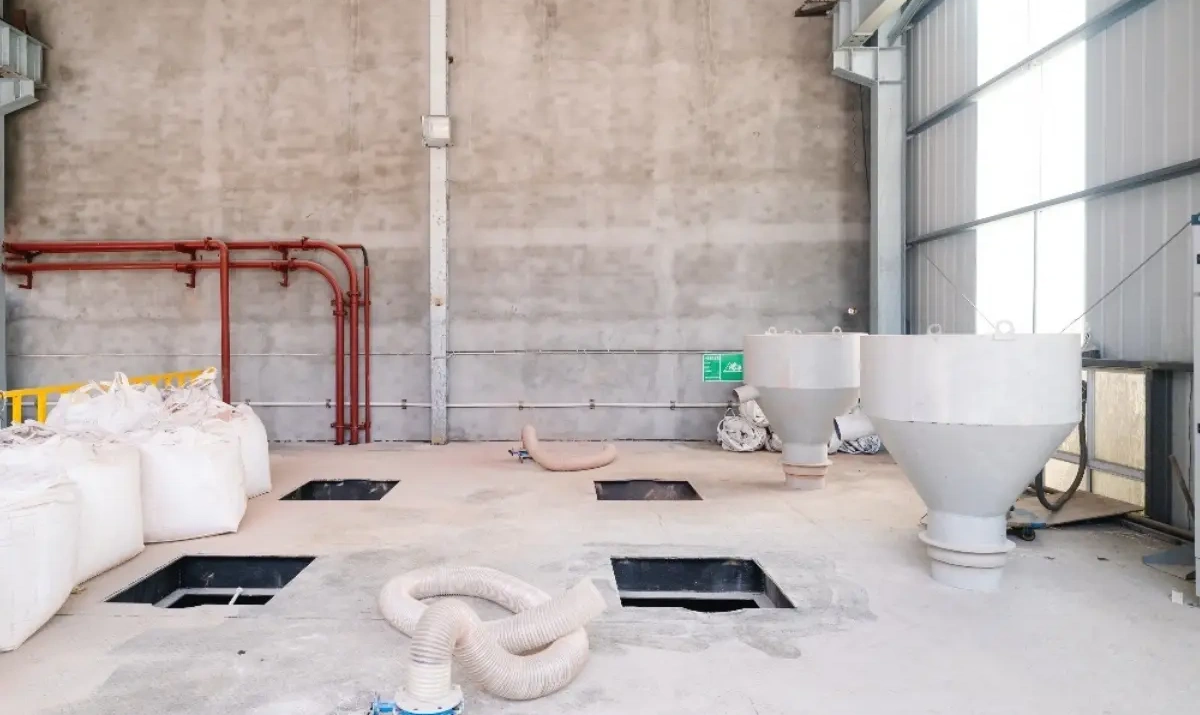
 Aug 21, 2025
Officially launched advanced digital intelligent solid feeding systems, ensuring precise dosing for large-scale operations.
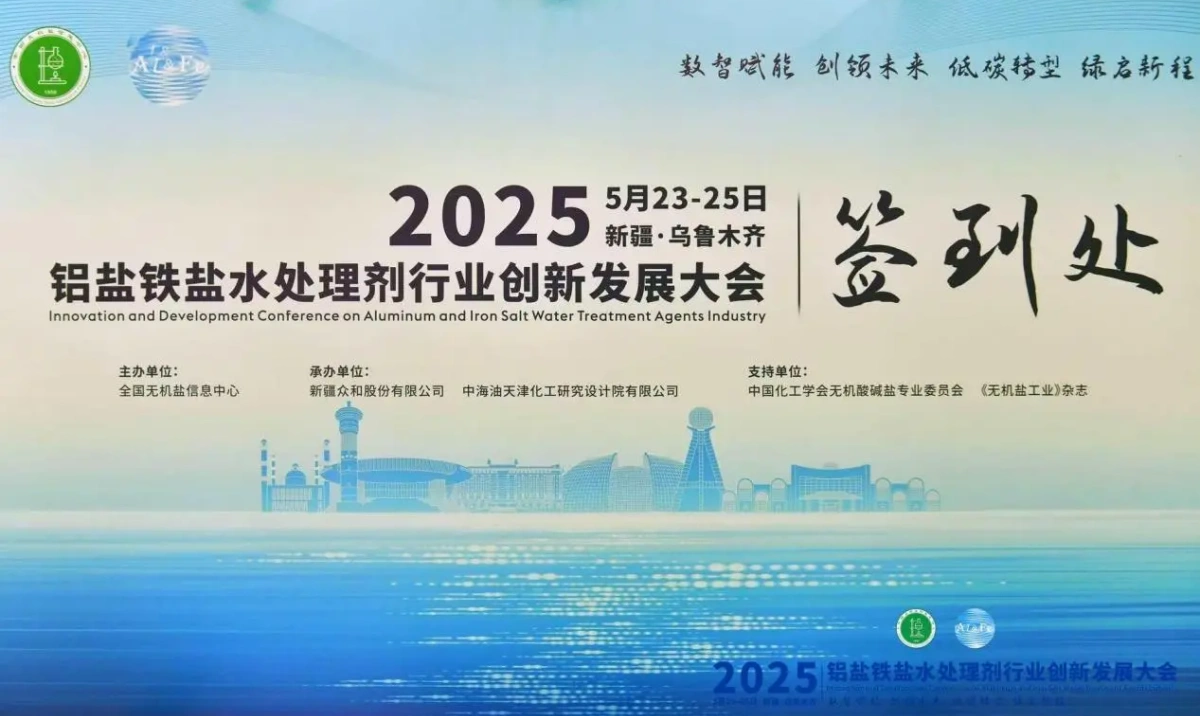 Aug 21, 2025
Sharing critical insights on coagulant basicity control under carbon neutrality targets.
 BS Water