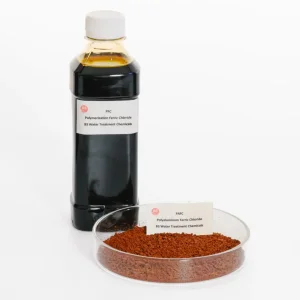
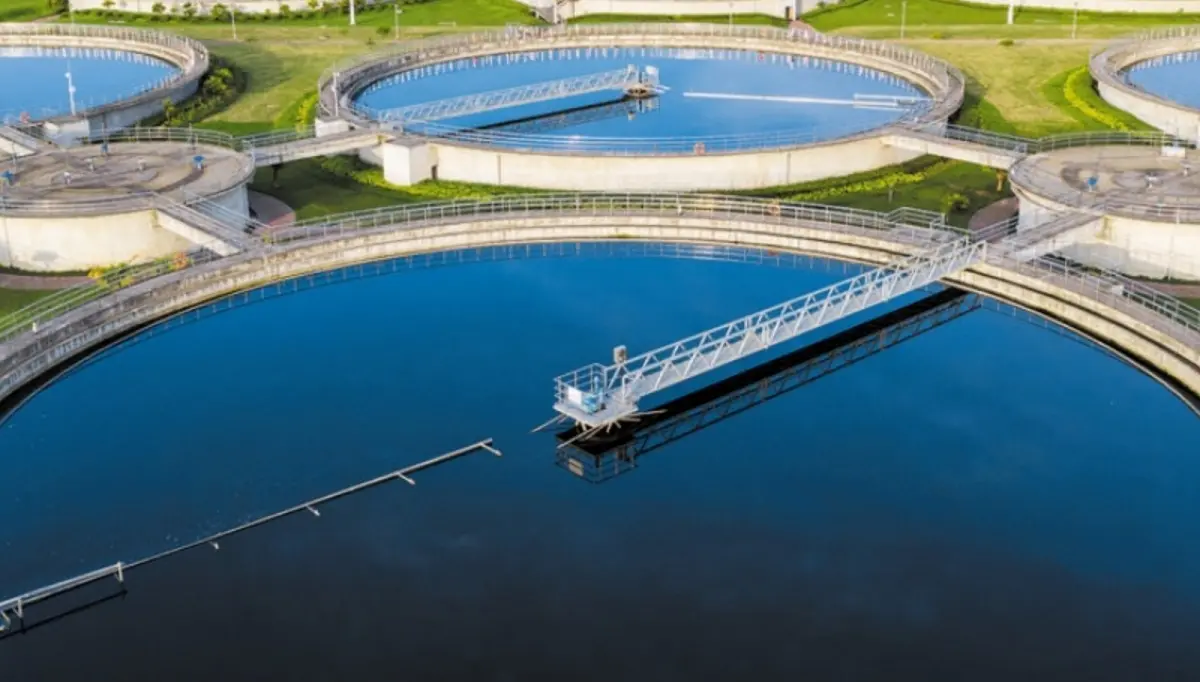
As Southeast Asia’s largest economy, Indonesia is facing a pivotal transition in its water management infrastructure. Rapid industrialization in sectors like palm oil production (CPO), textiles, mining, and paper manufacturing has led to an exponential increase in complex wastewater discharge. The Indonesian Ministry of Environment and Forestry (KLHK) has significantly tightened discharge standards under the PROPER (Program for Pollution Control, Evaluation, and Rating) program, demanding higher efficiency from Wastewater Treatment Indonesia factories.
Current market data suggests that Indonesian enterprises are increasingly shifting away from traditional biological treatment alone, towards advanced chemical-physical coagulation and flocculation. This is where the synergy between local Indonesian operational expertise and advanced Chinese chemical manufacturing creates massive "Information Gain."
While local blending facilities exist in Indonesia, sourcing directly from a large-scale China Wastewater Treatment Factory like Wuxi BS Water Treatment offers three distinct advantages:
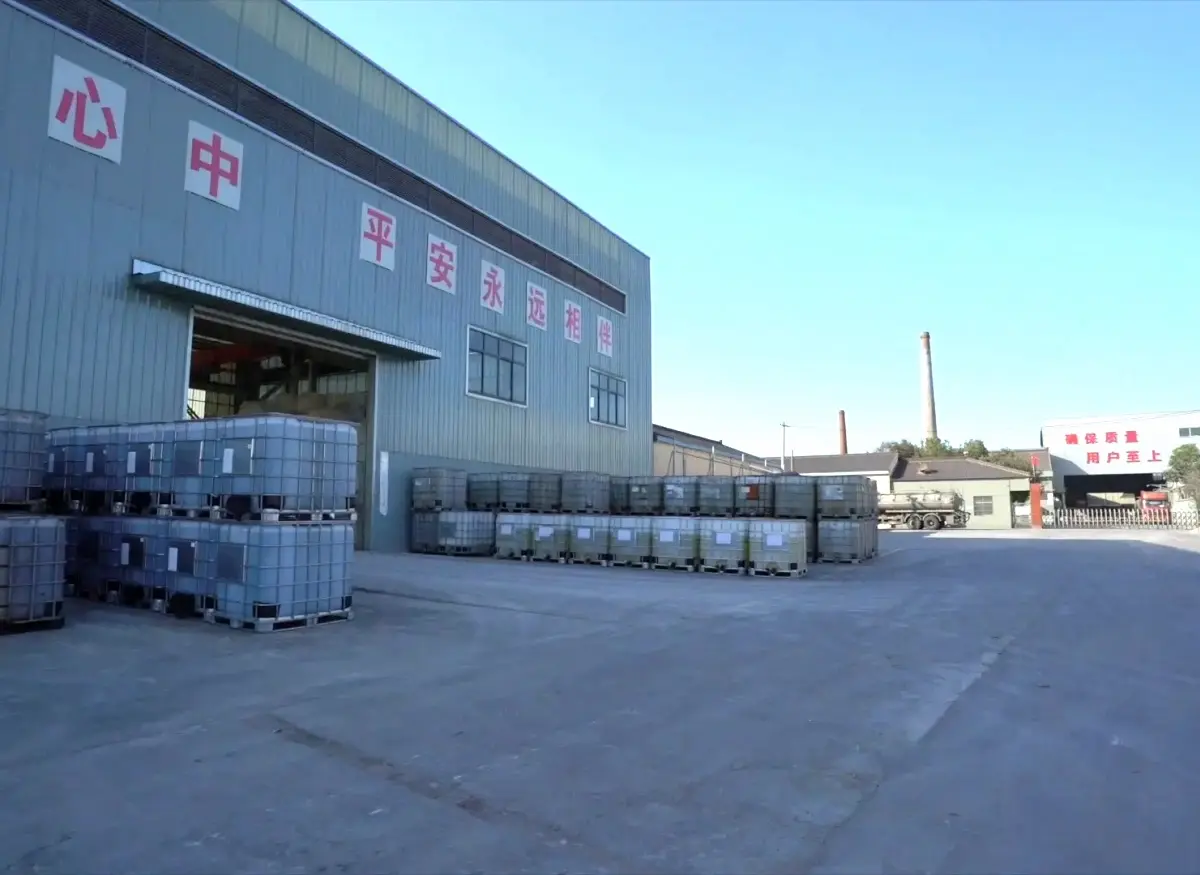
A Technology Leader with 27 Years of Expertise in Water Treatment Chemicals! Founded in 1998, Wuxi BS Water Treatment Chemicals Co., Ltd. possesses advanced production technology and rich management experience. We specialise in producing a series of water treatment products for the treatment of drinking water and various types of domestic and industrial wastewater.
Full cycle services of "water quality analysis" to custom synthesis.
Finished product warehouse of over 20,000 tons for rapid export.
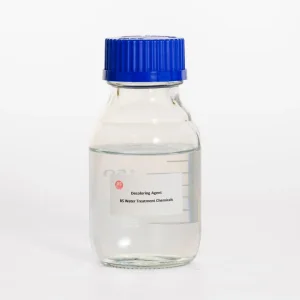
In regions like West Java, textile factories struggle with high colority. Our Water Decolorizing Agent (WDA) offers 95%+ removal rates for reactive dyes.
Indonesia is the world's top CPO producer. Our Anionic Polyacrylamide is optimized for sludge dewatering in centrifugal processes.
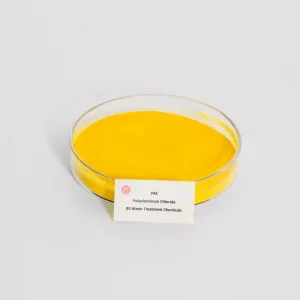
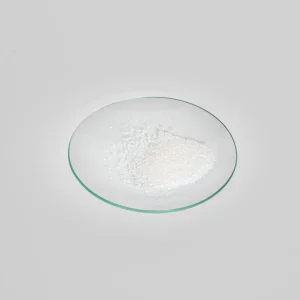
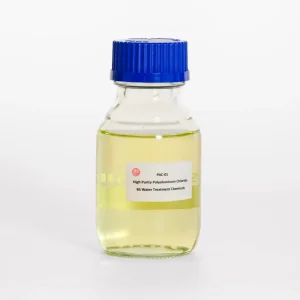
Removing turbidity and organic matter from river sources. Our PAC-01 High Purity White Powder meets international NSF/ANSI standards.
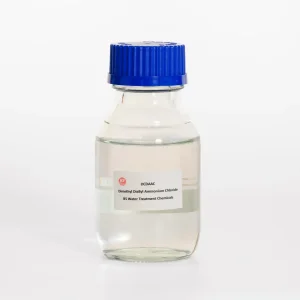
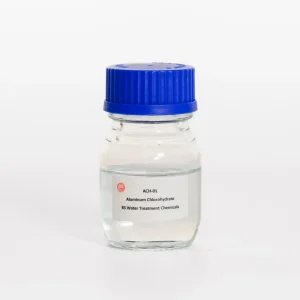
The next decade of wastewater treatment in Indonesia will be defined by "Smart Dosing." By integrating AI-driven sensors with chemical feed systems, factories can reduce chemical waste. Furthermore, there is a growing demand for non-toxic, biodegradable flocculants like PDADMAC and ACH (Aluminum Chlorohydrate) which leave less residual sludge and lower chloride footprints.
Ready to optimize your wastewater treatment efficiency and reduce operational costs?
 BS Water