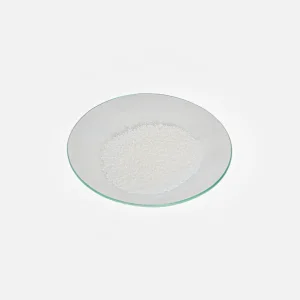
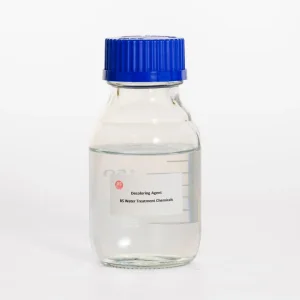
Explore our high-performance polymers customized to handle cold-water coagulation challenges and strict environmental limits typical of the Baltic region.
Latvia, situated in the heart of the Baltic region, faces unique water chemistry and environmental challenges. With its vast networks of rivers—predominantly the Daugava, Lielupe, and Gauja—and hundreds of lakes, municipal water management authorities must contend with significant fluctuations in raw water quality. High organic humic substances, seasonal turbidity variations due to snowmelt, and the stringent environmental targets set by the European Union and the Baltic Marine Environment Protection Commission (HELCOM) demand advanced water treatment solutions.
Our specialized Polyaluminium Chloride (PAC) products are specifically formulated to address these challenges. In Riga and other major Latvian municipalities (such as Daugavpils, Liepāja, and Jelgava), water treatment utilities face low-temperature conditions for several months a year. Traditional aluminum sulfate coagulants struggle to form stable flocs in cold water. PAC, with its pre-hydrolyzed polymeric structure, maintains exceptional coagulation rates even at temperatures near 0°C, ensuring consistent compliance with EU drinking water directives.
Furthermore, Latvia's expanding industrial sector, including wood processing, pulp and paper manufacturing, and food production, relies heavily on efficient chemical precipitation to handle highly concentrated waste streams before discharging them into the local ecosystems.
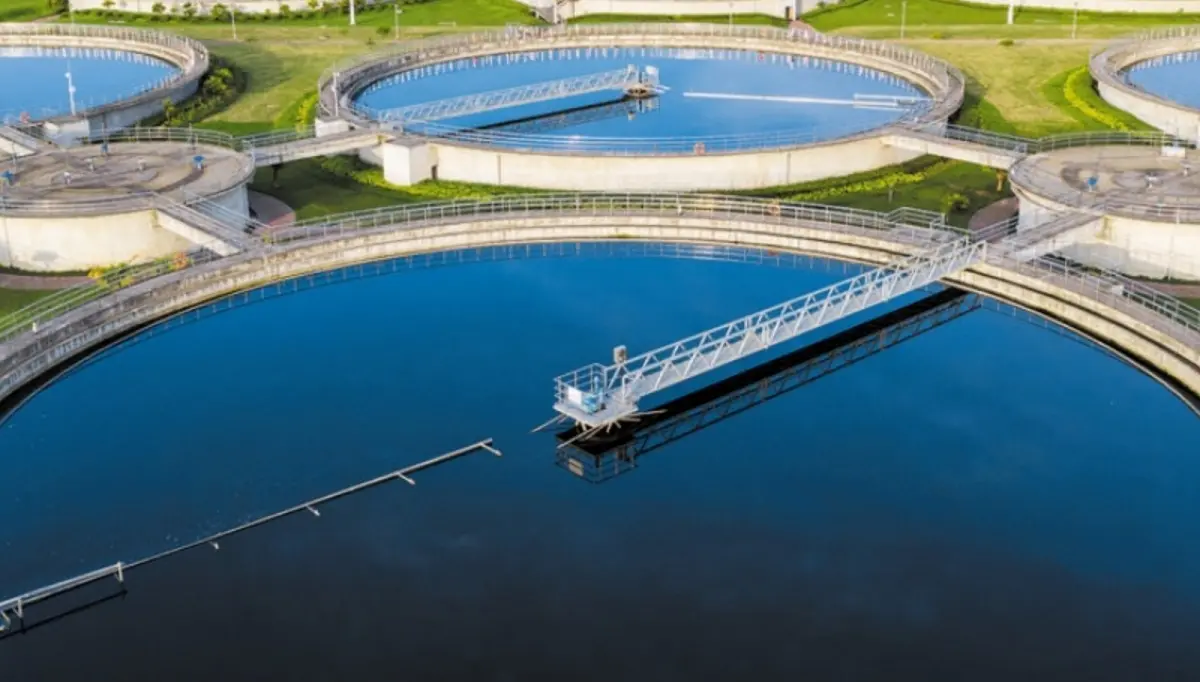
As international chemical manufacturing processes shift toward lower carbon footprints and higher purity products, PAC has emerged as the global benchmark for inorganic macromolecular coagulants.
Modern industrial production of Polyaluminium Chloride utilizes advanced spray-drying systems and pressure-reaction technologies. By maintaining strict control over the atomic ratios of Aluminum to Chloride, global manufacturers can engineer polymer distributions with specific molecular weights to suit varying municipal and industrial applications worldwide.
The chemical effectiveness of PAC is determined by its basicity percentage (hydroxyl group content relative to aluminum ions). High basicity PAC exhibits rapid neutralization of negative charges on suspended particles, leading to faster sedimentation, larger floc sizes, and a reduction in residual aluminum concentrations in finished water.
Operating globally requires adherence to international standards such as ISO 9001:2015, NSF/ANSI Standard 60, and EU standards (EN 883). These ensure that the chemicals used in public water distribution networks are free of heavy metal contamination and present no long-term risks to human health.
Years of Specialized Industry Experience
Tons Annual Production & Sales Capacity
Tons Finished Product Storage Capacity
Enterprise Global Clients Served
To understand the application of Polyaluminium Chloride within Latvia, we must separate the water treatment workflows into distinct municipal and industrial application profiles.
In municipalities relying on surface water resources (like Riga with the Daugava River), seasonal changes bring heavy loads of humic and fulvic acids. These organic polymers carry negative electrostatic charges that keep them suspended, imparting a dark yellow tint to the raw water.
The PAC Solution: The highly charged polynuclear complexes in PAC, such as [Al13O4(OH)24(H2O)12]7+, neutralize these organic acids. This action rapidly destabilizes colloid suspensions and leads to rapid sedimentation. Compared to traditional Alum, PAC requires up to 40% lower dosages, significantly reducing chemical storage space and sludge disposal costs for water plants.
Latvia's wood-processing and packaging sectors generate highly challenging industrial effluent streams with high chemical oxygen demand (COD) and suspended solids.
The PAC Solution: Our technical liquid PAC grades are used as sizing agents and retention aids, and to coagulate fine fibers, pitch, and resin particles in the paper-making cycle. During wastewater treatment stages, using PAC alongside cationic polyacrylamides (CPAM) results in clear process loops, allowing plants to recycle process water and comply with EU environmental discharge regulations.
Selecting the correct chemical specification is essential to maximizing coagulation efficiency. Refer to the structural matrix below for guidance.
| Product Grade | Al2O3 Content (%) | Basicity (%) | Form / Physical State | Optimal Target Application |
|---|---|---|---|---|
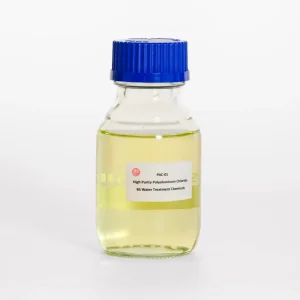
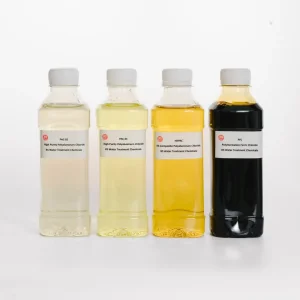
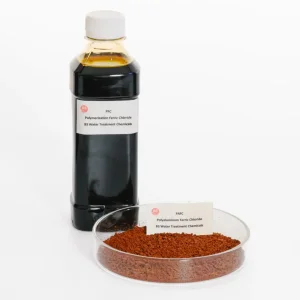
| PAC-01 (High Purity) | 30% min | 45% - 55% | Light Yellow / White Powder | Municipal Drinking Water, Food Industry Processing |
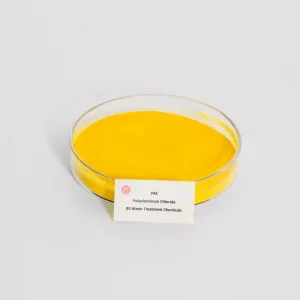
| PAC Industrial Solid | 28% - 30% | 60% - 85% | Yellow Crystalline Powder | Industrial Effluent Treatment, Municipal Wastewater |
| PAC Liquid Version | 10% - 15% | 50% - 80% | Clear / Amber Liquid | Auto-dosing systems, Direct Inline Injection Systems |
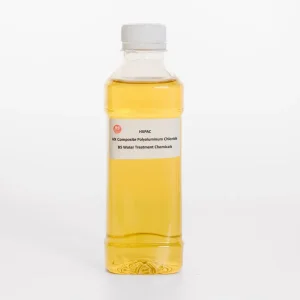
| Compound PAC | 26% - 30% | 70% - 85% | Composite Solid Powder | Highly Turbid Industrial Water, Mining Runoff Treatment |
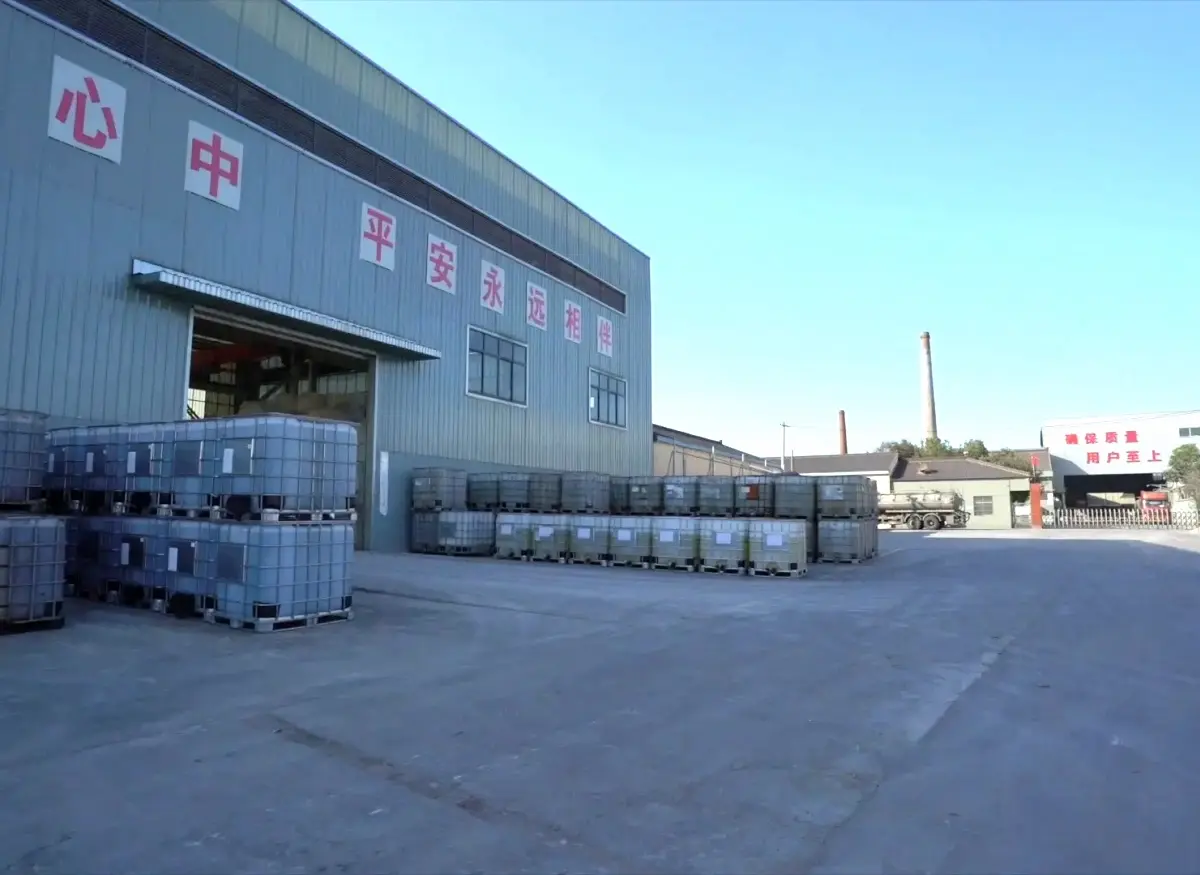
Importing industrial chemical agents into Latvia requires compliance with European chemicals legislation. All products from Wuxi BS Water Treatment Chemicals Co., Ltd. are supported by comprehensive technical documentation, including safety data sheets (SDS) aligned with European REACH requirements.
To ensure stable operation for municipal plants and large industrial facilities, we offer tailored logistics packages. Liquid and solid bulk chemicals are shipped through major Baltic port hubs like Riga, Ventspils, and Liepāja.
By optimizing transport and maintaining high stock levels in our domestic warehouses, we secure chemical supply lines to protect local services from transport bottlenecks. Our engineering team also provides remote water-quality diagnostics and dose-optimization services, helping plant operators configure their setups for maximum cost savings.
For 27 years, Wuxi BS Water Treatment Chemicals has driven chemical innovations to support municipal and industrial wastewater facilities worldwide.
Factory Establishment: Founded as a specialized water treatment chemicals manufacturer, focusing on high-grade coagulants.
Corporate Restructuring: Renamed Wuxi Bisheng Water Treatment Agent Co., Ltd. and upgraded to a modern production campus.
Global Export Footprint: Began exporting advanced polymers and coagulants to European and Asian markets through regional distributors.
Commercial Milestone: Annual international sales revenue exceeded $10 million, reflecting strong trust from global municipal utilities.
Foreign Trade Expansion: Formed a dedicated foreign trade department to provide direct service, technical support, and REACH compliance to Baltic clients.
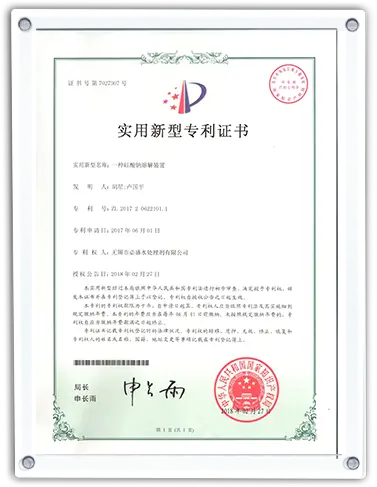
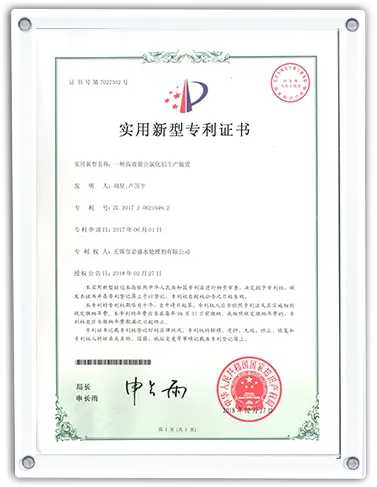
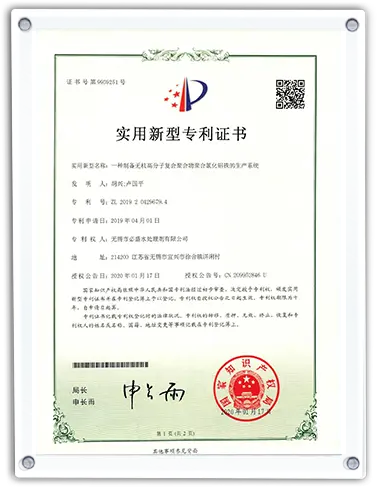
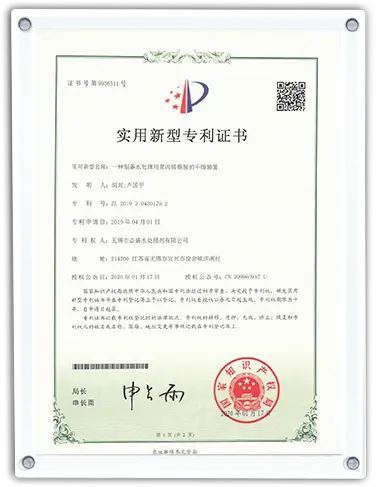
Our production processes follow strict international QA/QC guidelines. We maintain testing protocols for every batch of chemicals dispatched to EU markets.
Technical guidance and operational best practices for utilizing Polyaluminium Chloride in the Baltic region.
Traditional alum (Aluminum Sulfate) is highly dependent on temperature. In low water temperatures (below 8°C), the rate of alum hydrolysis decreases significantly, slowing floc formation and leaving higher levels of dissolved aluminum in the treated water. PAC is pre-hydrolyzed during manufacturing. This polymeric structure enables rapid charge neutralization and floc growth without depending on ambient water temperatures, making it ideal for Latvia's winter climate.
For municipal drinking water, high-purity spray-dried PAC with moderate basicity (45%–55%) is recommended. This maintains control over the pH of the output stream while keeping residual heavy metal levels low. For industrial wastewater treatment, where raw water acidity and turbidity fluctuate, a higher basicity (65%–85%) is preferred. This optimizes coagulation speed, forms large flocs, and minimizes the need for auxiliary pH adjusters (like lime or caustic soda).
We provide comprehensive chemical dossiers, including REACH registrations, RoHS conformity, and EU standard (EN 883) declarations. Each consignment is shipped with batch-specific Certificates of Analysis (COA) and safety datasheets (SDS) in English.
Solid PAC has a shelf life of up to 2 years when stored in a cool, dry area in its original sealed packaging. Liquid PAC solutions generally have a shelf life of 6 months. Exposure to extreme heat or sub-freezing temperatures should be avoided to prevent crystallization or polymer degradation.
Explore our full line of coagulants, flocculants, and specialty chemical agents available for import and distribution in Latvia.
Optimized agents for specific water clarify and decoloring challenges across Latvia.
Need assistance determining the correct dosage, basicity, or PAC specification for your water plant in Latvia? Our chemical engineers are ready to help.
Direct Contact Channels:
Phone Support: +86 13584221461
Email Enquiries: [email protected]
 BS Water