Wuxi BS Water Treatment Chemicals Co., Ltd. provides chemical reagents designed for targeted charge neutralization, rapid sedimentation, and deep sludge dewatering. Select from our advanced range of inorganic and organic polymers below.
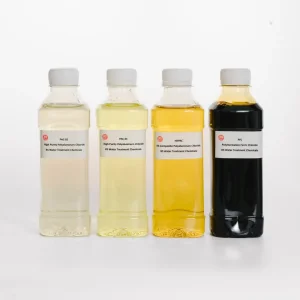
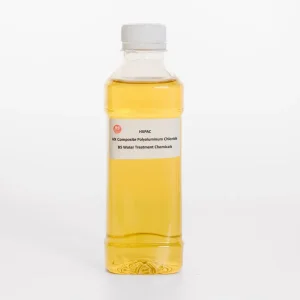
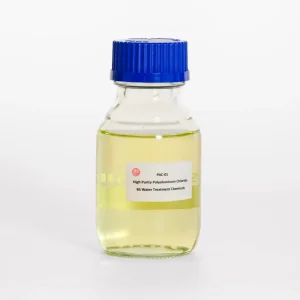
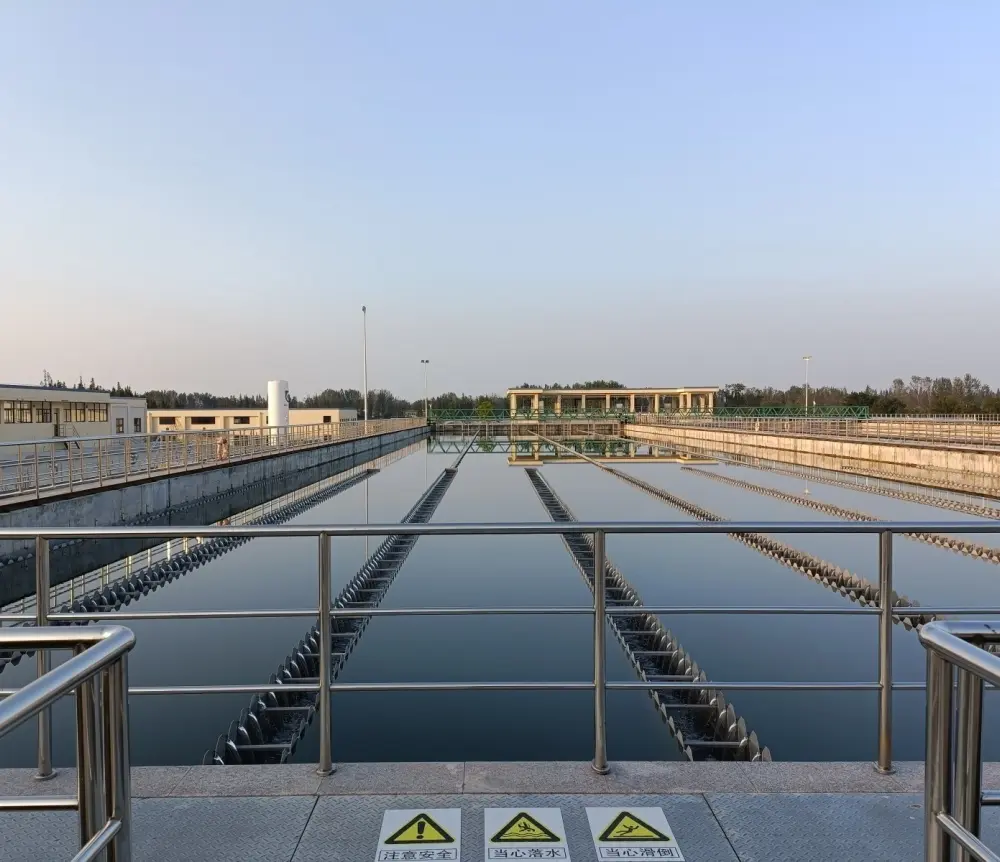
Wastewater management is undergoing a paradigm shift from simple compliance to an active, resource-recovering circular economic process.
Global environmental regulatory frameworks, such as the EU's updated Urban Wastewater Treatment Directive (UWWTD) and the United States EPA Clean Water Act effluent limitations, have introduced stringent requirements on the removal of nutrients (nitrogen, phosphorus) and micro-pollutants. Concurrently, China's "dual carbon" strategies demand that water treatment facilities reduce energy intensity while optimizing purification yields. Consequently, industrial plants must deploy precise chemical systems to avoid heavy penalties and operational shutdowns.
Modern wastewater treatment processes are no longer designed solely for disposal. Modern plants operate as Resource Recovery Facilities (WRRFs), extracting clean water, phosphorus, nitrogen, energy (biogas), and valuable heavy metals from waste streams. Efficient coagulants and flocculants play an essential role in this recovery mechanism, precipitating bound compounds out of solution to be processed into secondary agricultural or industrial feedstocks.
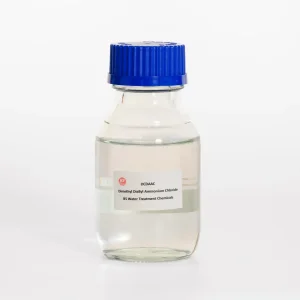
Microplastics, per- and polyfluoroalkyl substances (PFAS), endocrine disruptors, and complex organic dyes represent critical challenges for traditional biological municipal treatment plants. By applying engineered chemical precipitation schemes using high-charge density polymers like Poly(diallyldimethylammonium chloride) (PDADMAC) and premium Polyaluminium Chloride (PAC), plants can bind and separate these persistent compounds before downstream secondary membrane processes.
Understanding the molecular mechanisms of advanced chemical agents for wastewater treatment processes.
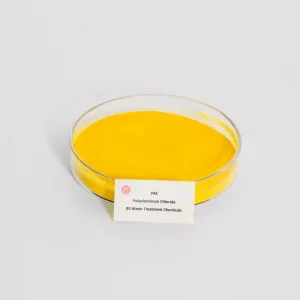
Inorganic coagulants neutralize the negative surface charges (Zeta potential) of stable colloidal particles in wastewater, allowing them to agglomerate. Unlike monomeric salts, pre-hydrolyzed polymeric coagulants like Polyaluminium Chloride (PAC) and Aluminum Chlorohydrate (ACH) exhibit high basicity (ratio of hydroxyl to aluminum ions). This pre-hydrolyzed structure ensures a high concentration of highly charged polymeric species ($Al_{13}$ or $Al_{30}$ complexes) that execute rapid charge neutralization over a wider pH window, without causing rapid drop-offs in water alkalinity.
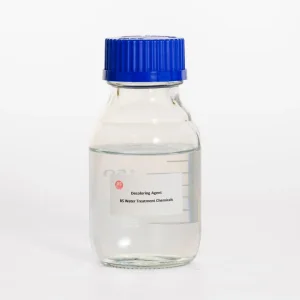
Once charge neutralization forms micro-flocs, high-molecular-weight organic polymers are introduced to build macro-flocs. Polyacrylamide (PAM) chains act as molecular bridges, anchoring onto several micro-flocs simultaneously and sweeping them into dense matrices. Cationic Polyacrylamide (CPAM) is ideal for organic-rich biological sludges, whereas Anionic Polyacrylamide (APAM) excels in mineral and industrial suspensions. Specialized agents, such as Dicyandiamide-based Water Decoloring Agents (WDA), target soluble organic molecules containing chromophore groups (e.g., azo dyes) in textile effluents, neutralizing and precipitating them out of solution.

Wuxi BS Water Treatment Chemicals Co., Ltd. has established itself as an authoritative manufacturer and supplier of water treatment chemicals. Founded in 1998, the company has grown from a domestic producer to a global supplier of water treatment solutions.
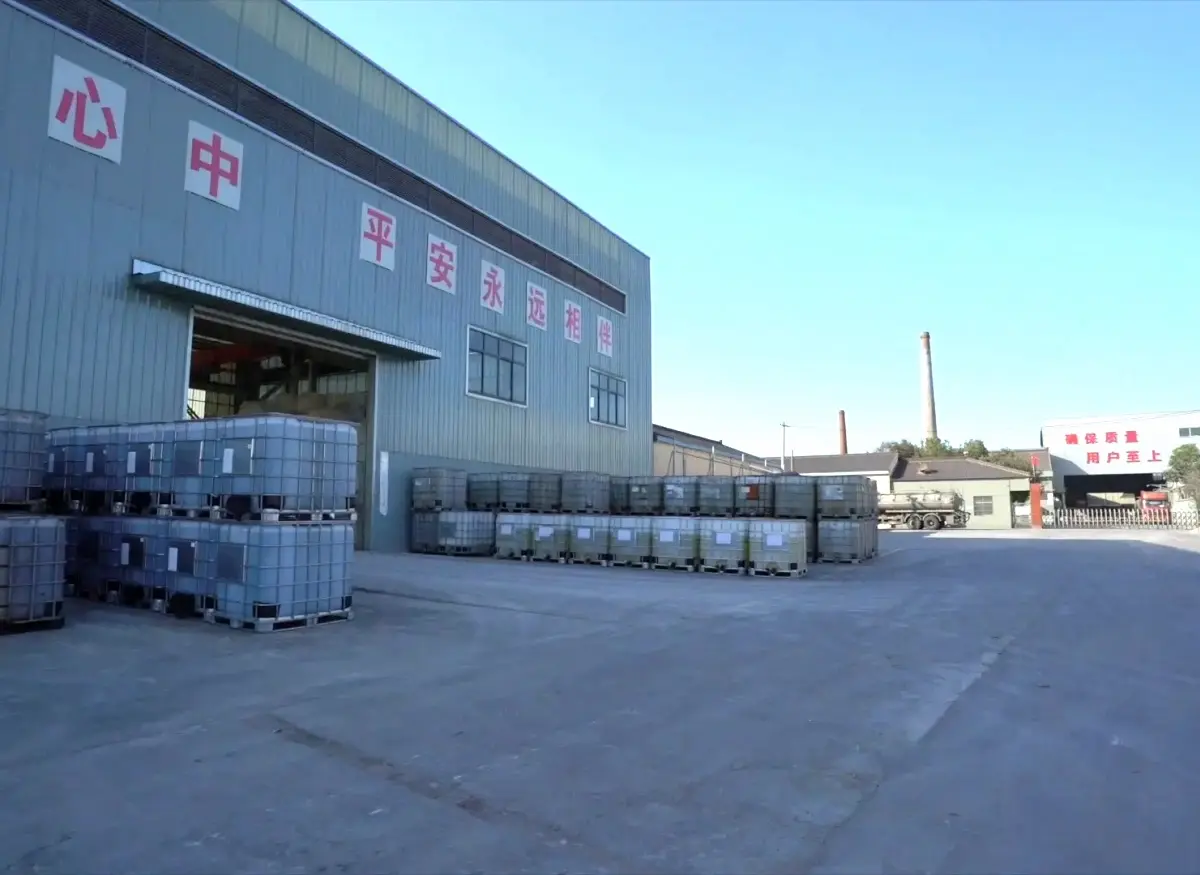

Leveraging 27 years of manufacturing experience, Wuxi BS Water Treatment Chemicals Co., Ltd. produces coagulants and flocculants for drinking water and domestic/industrial wastewater. Backed by intelligent production lines and a comprehensive quality control system, the company supports global municipal systems, textile mills, paper manufacturers, and mining facilities.
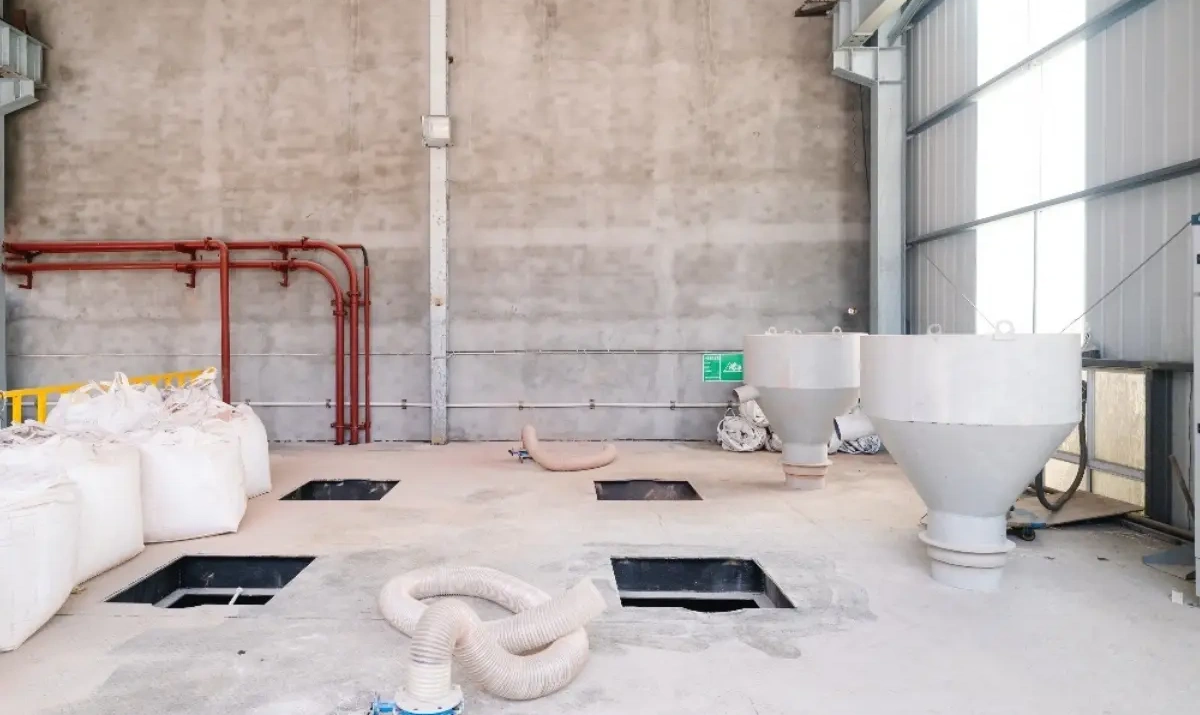
In 2025, our foreign trade department was expanded, and advanced digital solid feeding equipment and water treatment systems were introduced. This digital system allows real-time adjustments during synthesis, resulting in products with low molecular weight variance, high structural stability, and uniform particle sizes.
Wuxi BS designs specific chemical regimens to meet the unique wastewater challenges of modern industrial sectors.
Petroleum waste contains emulsified oils, organic hydrocarbons, and suspended solids. Using specialized Polyacrylamide (APAM/CPAM) combined with high-basicity PAC helps break complex emulsions, separating the oil phase from the aqueous phase with minimal sludge footprint.
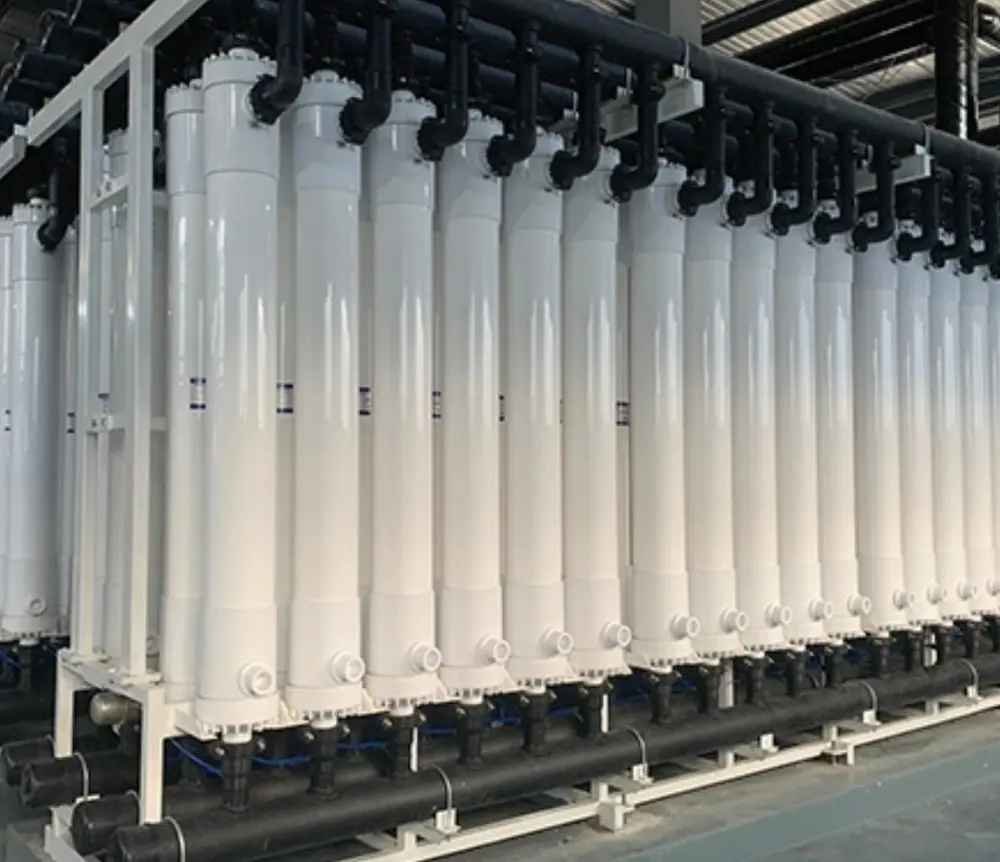
Membrane bioreactors (MBR) and Reverse Osmosis (RO) plants suffer from organic and colloidal fouling. Pre-treating raw wastewater with high-purity Polyaluminium Chloride (PAC-01) or Aluminum Chlorohydrate (ACH) removes fine particulate matter, extending membrane lifespans.
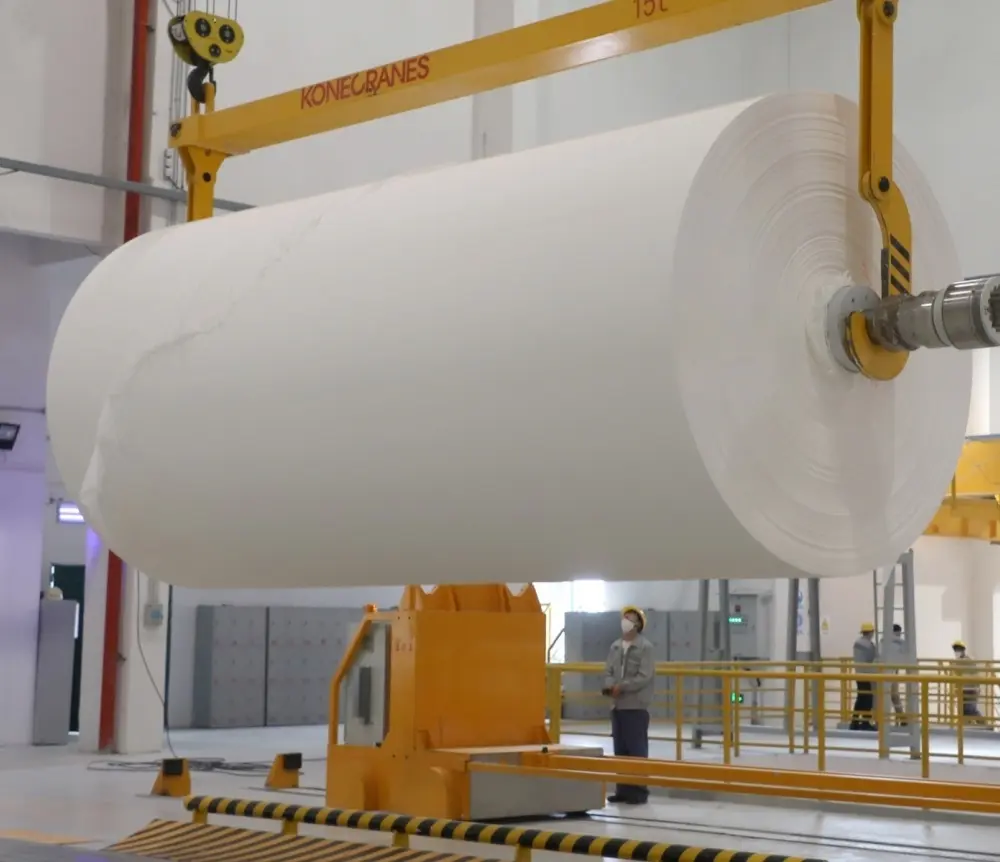
Pulping processes yield high concentrations of lignin, hemicellulose, and organic fibers. The addition of cationic polymers, PDADMAC, and PAC aids in fiber retention, white-water recycling, and the removal of "anionic trash," improving paper quality and reducing fresh water intake.
Municipal drinking water production requires high-purity coagulants with low heavy metal limits. Our premium PAC (PAC-01) powder and high-basicity liquid formulations meet drinking water purity standards, removing turbidity, algae, and organic precursors without leaving residual aluminum.
Dyehouse waste is characterized by high color, pH variation, and chemical oxygen demand (COD). Our Water Decoloring Agent (WDA) de-stabilizes anionic dye complexes, resulting in clear, compliant effluent suited for reuse or public discharge.
Wuxi BS adheres to international quality, environmental safety, and operational standards.
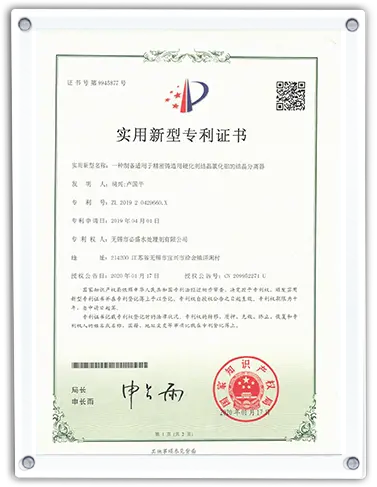
Every production batch of Wuxi BS Water Treatment chemicals undergoes ISO 9001 and ISO 14001 testing. Our lab processes ensure that active content, basicity, and molecular weight distribution remain within optimal ranges, ensuring performance across global installations.
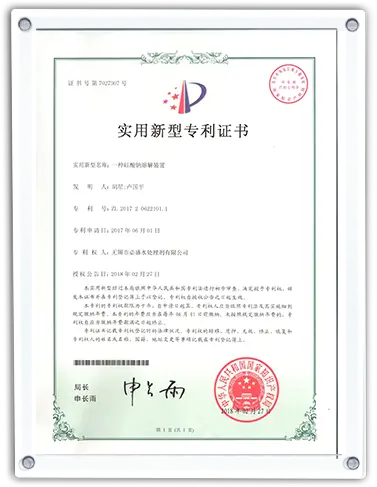
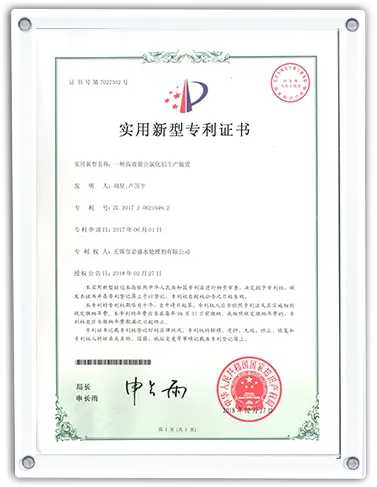
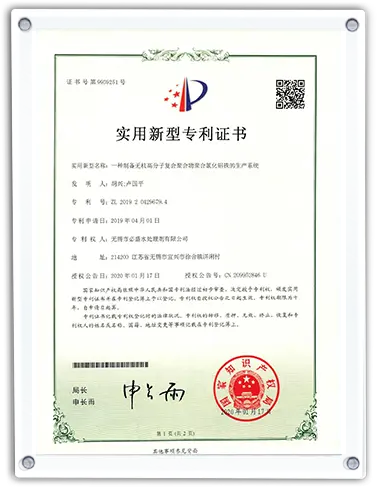
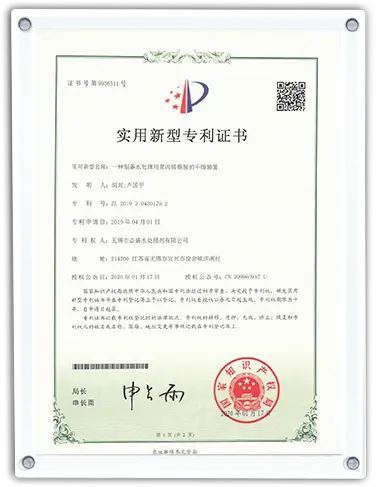
Technical answers to help plant managers and engineers optimize their wastewater treatment processes.
Request product safety data sheets (MSDS), technical specification brochures, or a customized dosage consultation from our laboratory engineers.
 Tel: +86 13584221461
 Email: [email protected]
Inquire Online for Bulk Pricing & Testing Samples:
 Sep 09, 2025
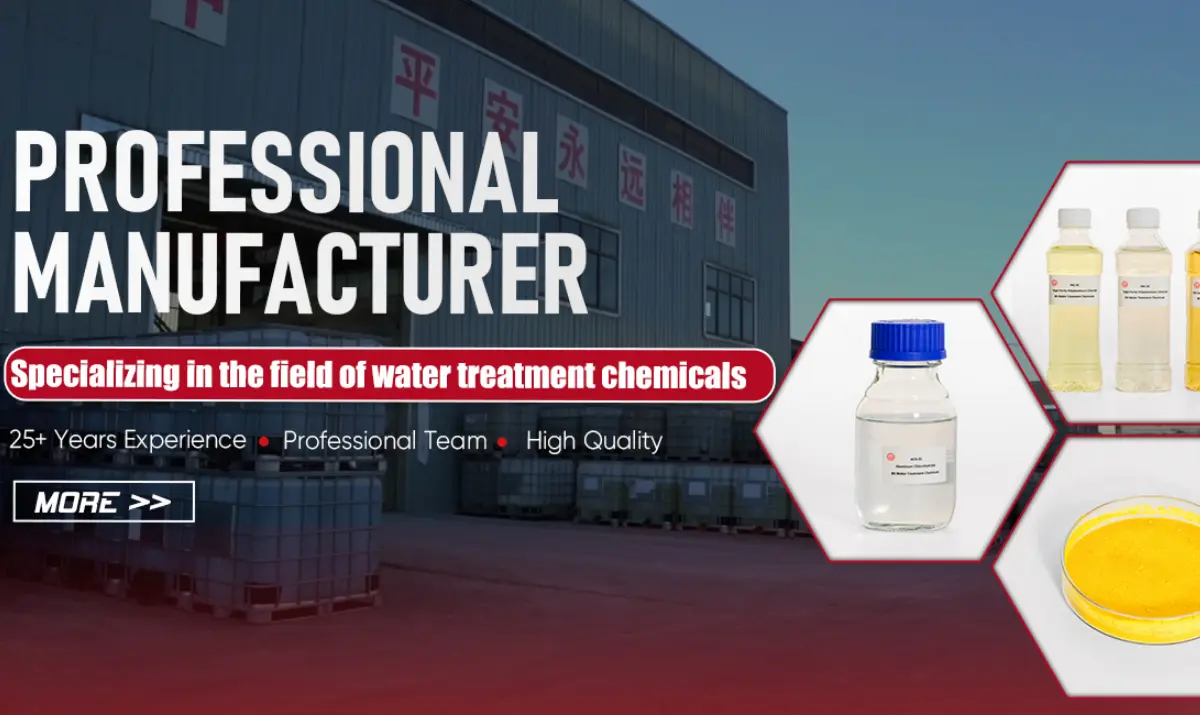
Wuxi BS Water Treatment Chemicals Co., Ltd. continues to expand its international distribution network, supplying high-charge organic polymers and custom-blended inorganic coagulants to municipal and industrial installations worldwide.
 Aug 21, 2025
Integration of advanced automated solid-feeding machinery maintains polymer stability and reduces manual dosing errors.
 Aug 21, 2025
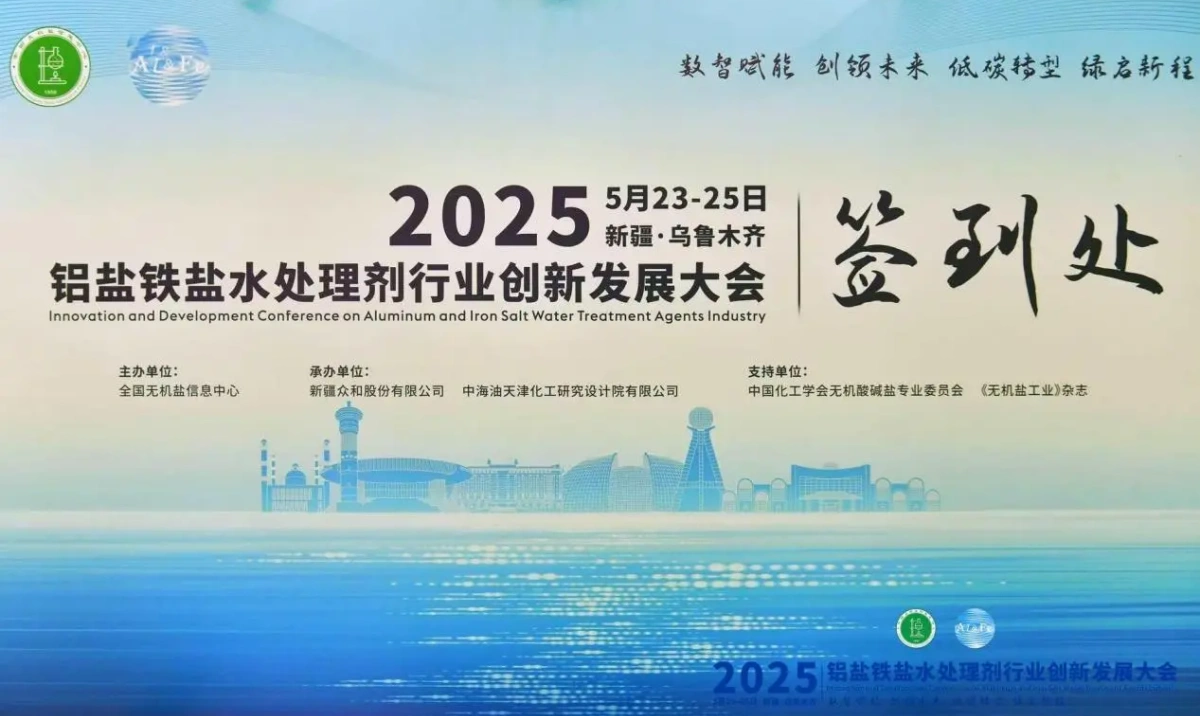
Highlighting developments in carbon-neutral production methods for inorganic polymers and green water-clarification chemistry.
Wuxi BS offers chemical agents for municipal, manufacturing, and process industries. Browse the specifications below:
 BS Water