High-basicity chemical compounds customized for high-turbidity systems, paper manufacturing, and heavy metal adsorption.
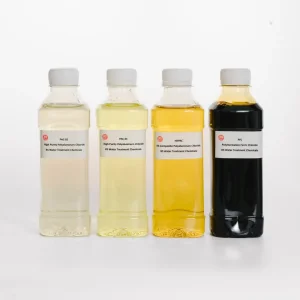
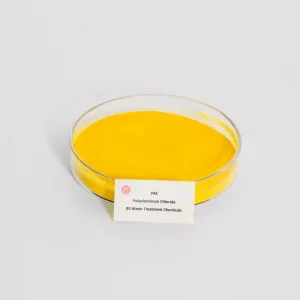
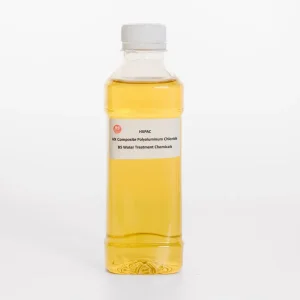
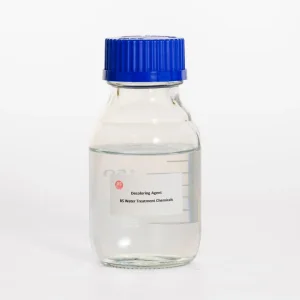
In modern drinking water supply purification and commercial industrial wastewater processing systems, Polyaluminium Chloride (PAC) serves as one of the most efficient macromolecular inorganic coagulants. Understanding the relationship between PAC chemical basicity and wastewater pH is critical for maximizing chemical performance and saving cost on dosage metrics.
Technical Insight: Traditional aluminium sulfate (Alum) requires a narrow pH window (typically 6.0 to 7.0) to form effective flocculation structures. In contrast, premium-grade Polyaluminium Chloride operates successfully across a broad pH range of 5.0 to 9.0, preventing excessive loss of system alkalinity and eliminating the requirement for neutralizing agents like soda ash or lime.
Basicity, defined as the hydroxyl percentage relative to aluminium atoms, dictates the molecular structure of the PAC polymer. In our manufacturing facilities, we control the basicity levels from 50% to 90%. High basicity implies that the polymer has undergone polymerization, yielding stable Keggin-type structures like [Al13O4(OH)24(H2O)12]7+. These high-charge polymers provide immediate charge neutralization when introduced to raw water, capturing negatively charged colloidal impurities far more rapidly than conventional monomeric aluminium ions.
During hydrolyzation, PAC consumes less bicarbonate alkalinity than raw aluminium sulfate. This reduces the pH fluctuation in treated water. When processing raw water with low baseline pH levels, utilizing high-basicity PAC ensures that the final treated water preserves a stable, non-corrosive pH profile, protecting down-stream pipe networks from oxidation and structural corrosion.
Sourcing Polyaluminium Chloride from established factories in China offers significant commercial and technical benefits for global water treatment projects:
The global water treatment industry is shifting toward green chemistry and automation. Modern industrial operations utilize automated dosing rigs that track the zeta potential of suspended particles. The high charge capacity of compound PAC variants enables real-time dosage adjustments, lowering total chemical waste.
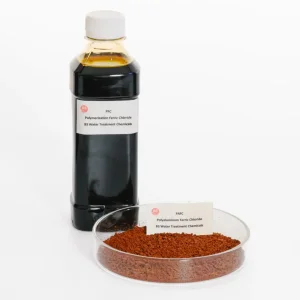
Additionally, composite products such as Polymeric Aluminium Ferric Chloride (PAFC) are increasingly preferred for low-temperature, low-turbidity source waters. By combining the strong bridging action of iron with the rapid settlement times of aluminium, PAFC achieves fast sedimentation rates even in near-freezing environments.
Providing custom chemical formulations to address unique water purification demands across key global sectors.
Utilizing high-purity, low-heavy-metal PAC solid powders to eliminate water turbidity, organic carbon content, and pathogenic microscopic cysts without lowering the distribution water pH below standard limits.
Excellent decolorization efficacy in highly colored wastewater streams. PAC's cationic polymers bind to anionic organic dyes, producing massive flocs that settle out rapidly in clarifiers.
Mitigate membrane fouling by utilizing precise dosing of PAC to remove dissolved organic matter (DOM) and micro-colloids prior to processing by Ultrafiltration (UF) and Reverse Osmosis (RO) systems.
A reliable manufacturer of water treatment chemistry with over 27 years of engineering expertise.
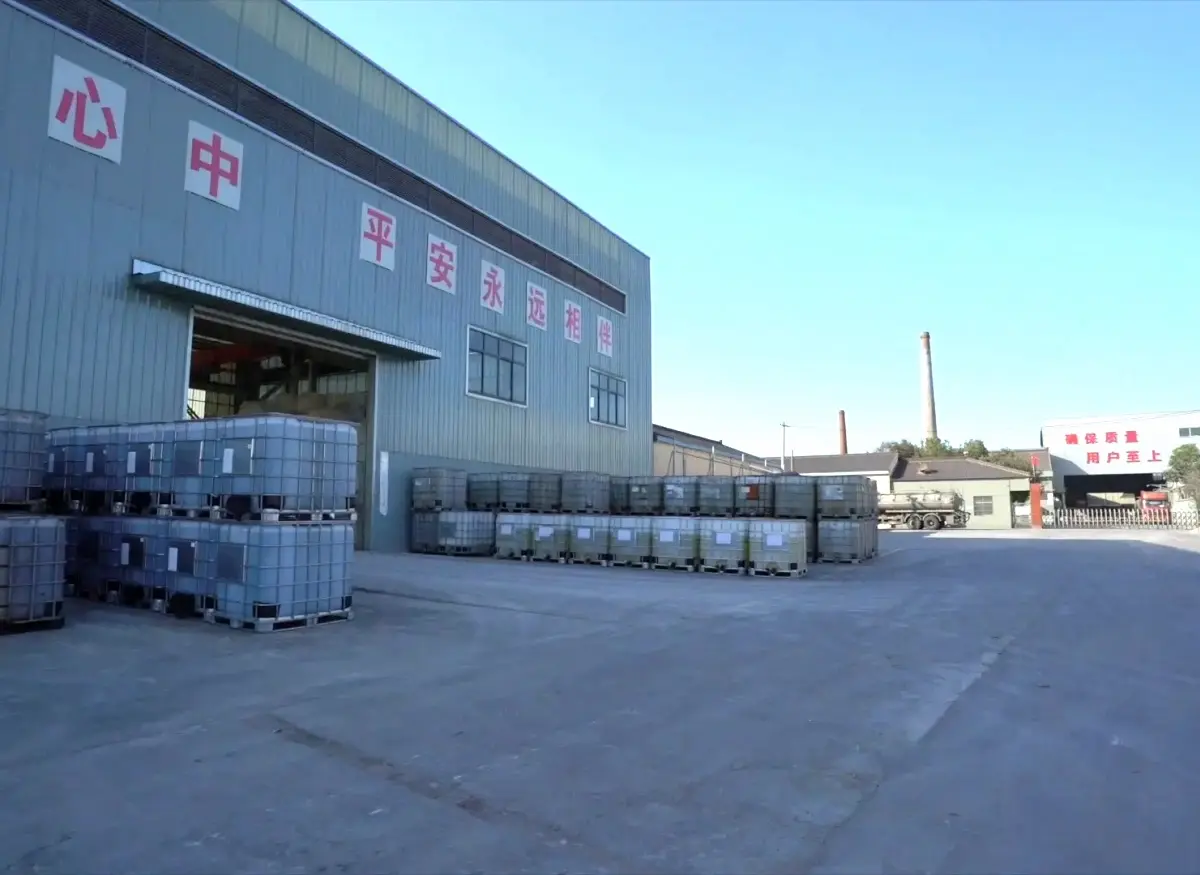
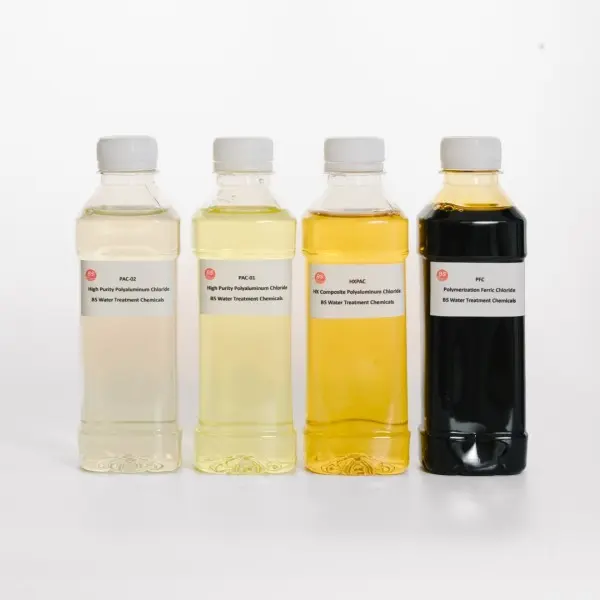
We manufacture a wide range of water treatment products for municipal drinking water and industrial wastewater processing systems.
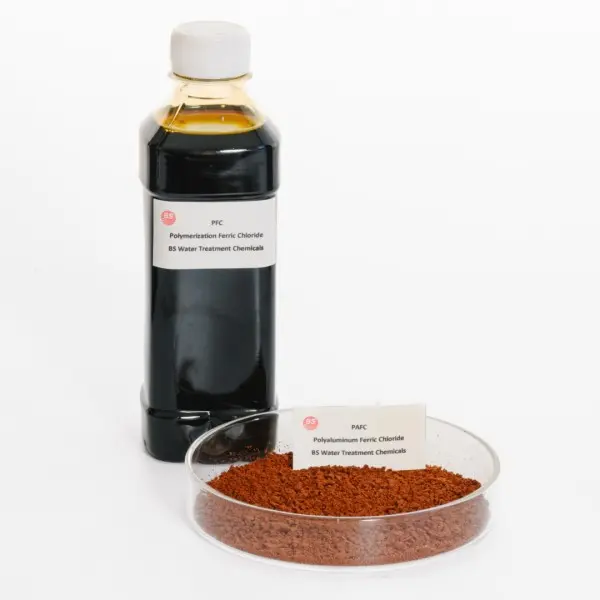
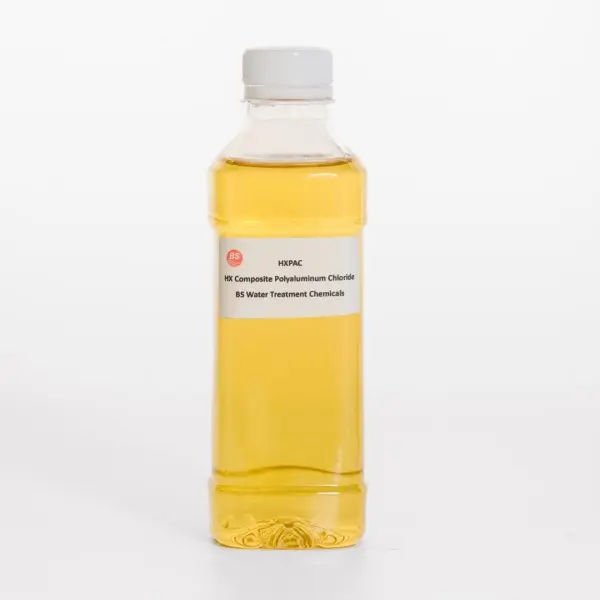
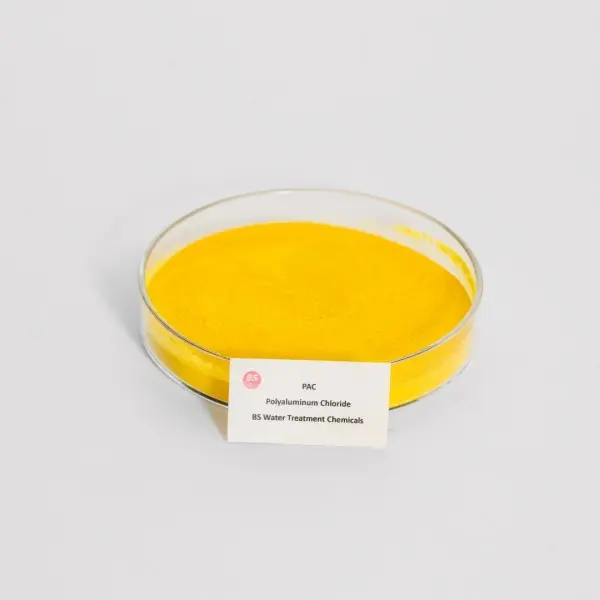
Our journey of production scale expansion, global trade development, and chemical innovation.
Answers to common technical questions regarding chemical dosing, pH stability, and PAC formulation selections.
PAC operates effectively across a wide pH range of 5.0 to 9.0. Due to pre-hydrolyzation during manufacturing, it consumes less system alkalinity than alum, maintaining a stable pH during treatment.
Higher basicity (75%-85%) yields high-charge poly-nuclear structures that accelerate coagulation, reduce sediment volume, and lower residuals in low-temperature waters.
Spray-dried PAC yields highly uniform micro-granules with rapid water solubility, low insoluble residue (under 0.3%), and minimal dust, ensuring consistent performance in high-speed treatment systems.
Yes. In municipal and industrial wastewater processes, PAC is typically dosed first to destabilize colloids, followed by anionic or cationic PAM to bind smaller flocs into larger aggregates for rapid settlement.
Liquid PAC should be stored in corrosion-resistant tanks, such as FRP, PVC, or PE. It must be protected from sub-zero temperatures to avoid crystallization and crystallization-induced pipe blockages.
Yes. Through sweep-flocculation and surface adsorption, PAC co-precipitates dissolved heavy metals (such as Lead, Cadmium, and Chromium) with the aluminium hydroxide flocs during clarification.
Get in touch with our chemical engineering team to receive customized product analysis reports, safety data sheets, and competitive FOB quotes.
Our application engineers will assess your requirements and respond within 12 business hours.
Insights on digital automated dosing, clean production methods, and updates on aluminum salt water treatment regulations.
 Sep 09, 2025
Expanding industrial partnerships across Southeast Asia and the Middle East, ensuring safe storage and prompt delivery of chemicals.
 Aug 21, 2025
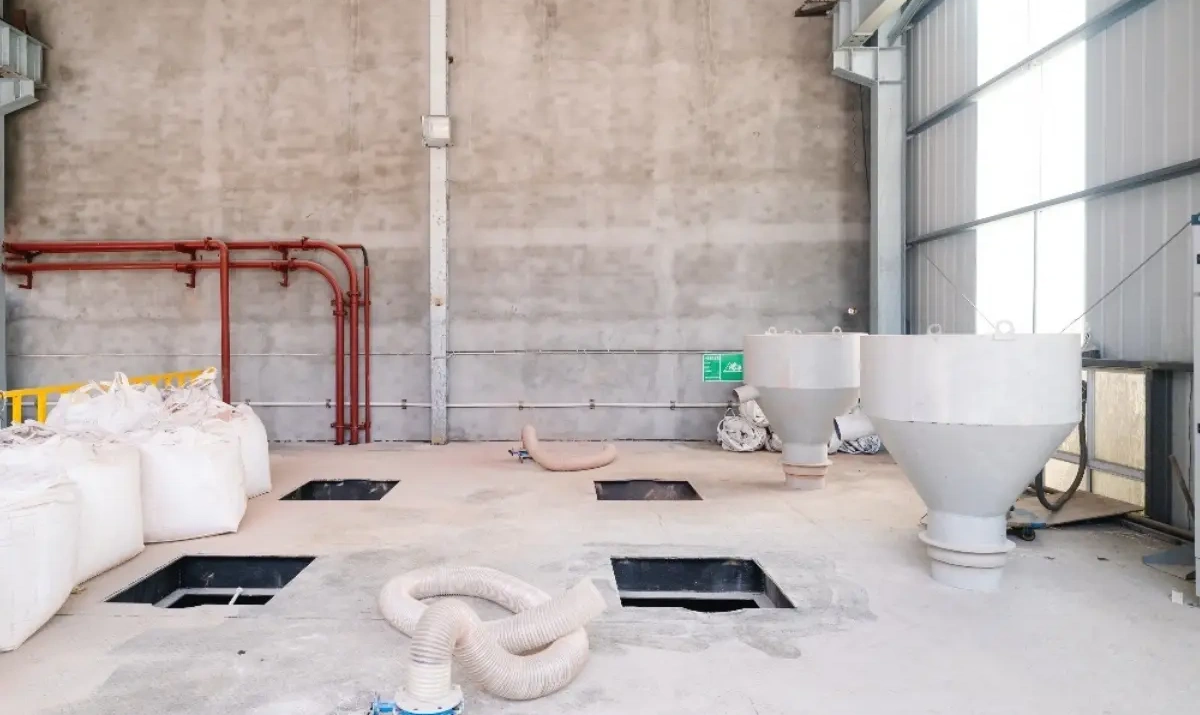
Integrating real-time sensor loops and pneumatic conveyance to optimize solid chemical dissolution rates in large-scale systems.
 Aug 21, 2025
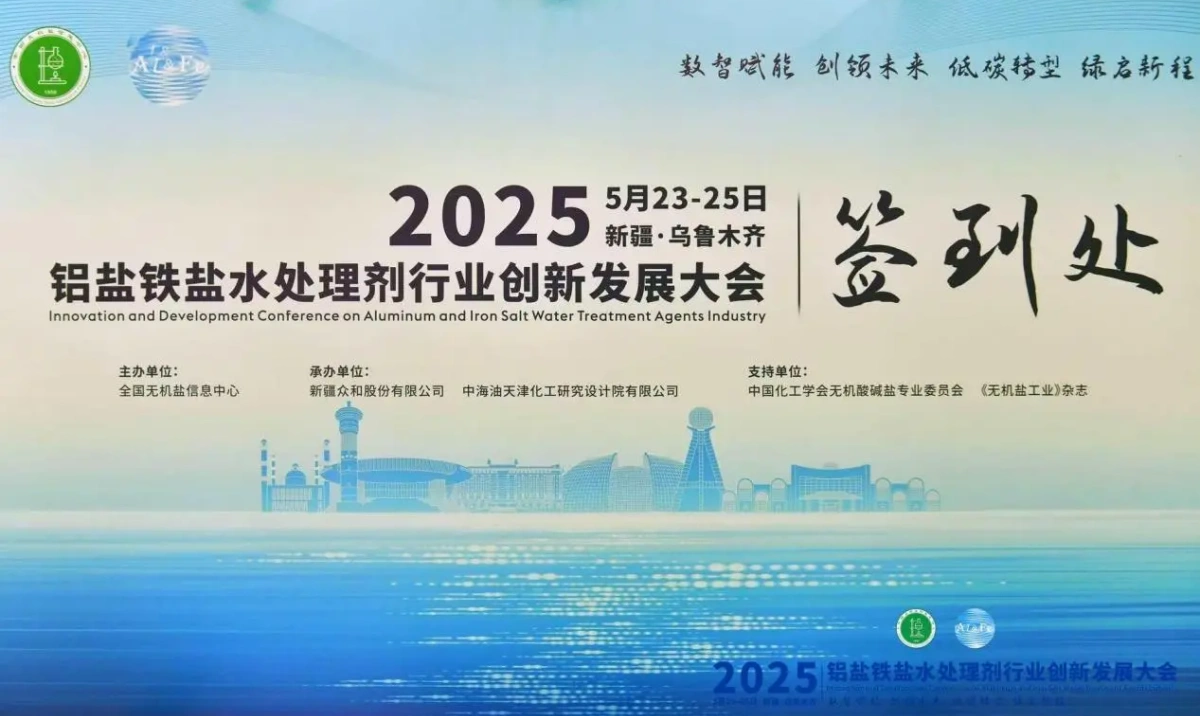
Key presentations from the 2025 Innovation Conference detailing strategies to improve polymer performance under low-turbidity conditions.
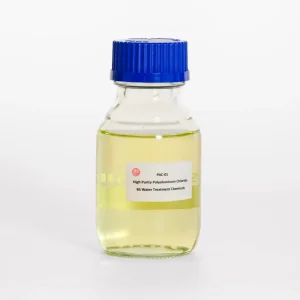
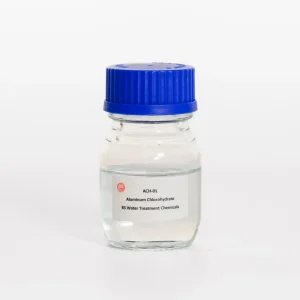
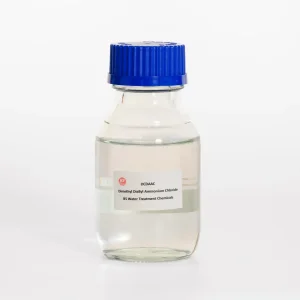
Complete portfolio of structural variants, ferric blends, and cationic polymers for challenging industrial applications.
 BS Water