Pre-engineered chemical formulations optimized for coagulation, flocculation, and decolorization processes.
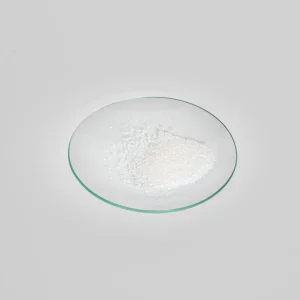
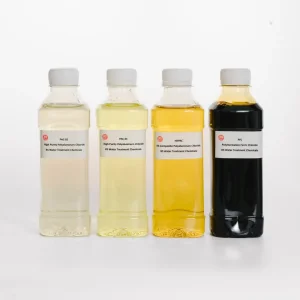
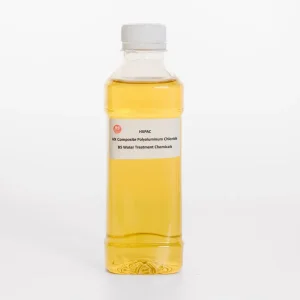
A comprehensive overview of mechanical simulation, pilot-scale testing, and molecular purification chemistry.
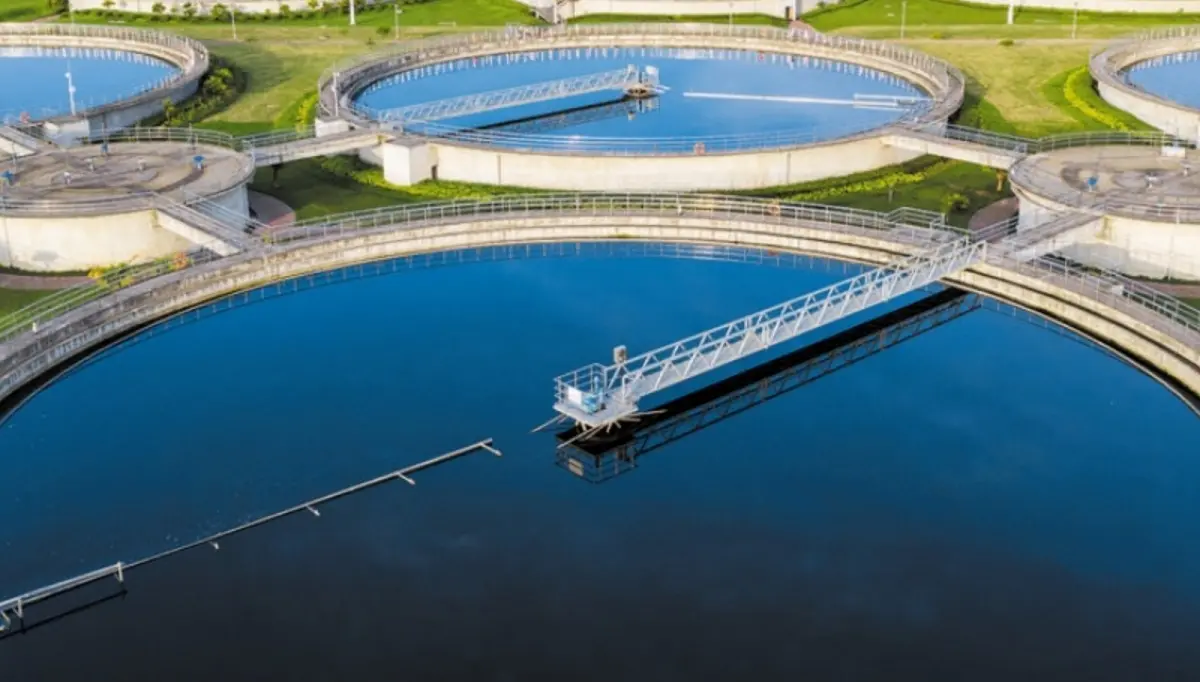
In modern wastewater engineering, a sewage treatment working model is more than just a conceptual mockup; it is a physical and chemical blueprint that mirrors full-scale municipal and industrial wastewater facilities. Designing an effective sewage model requires deep analysis of particle charge states, surface properties, and chemical kinetic variables. Most contaminants in raw effluent are suspended colloidal particles carrying negative surface charges, preventing them from coalescing naturally.
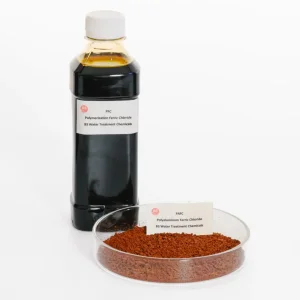
To disrupt this stability, specialized chemicals like Polyaluminum Chloride (PAC), Aluminum Chlorohydrate (ACH), and Polyacrylamide (PAM) are deployed. Wuxi BS Water Treatment Chemicals Co., Ltd. serves as a leading supplier of these active elements, manufacturing high-purity compounds that drive the settling velocity, flock structural strength, and filtration efficiency essential for stable model runs.
"Whether setting up a scale-model laboratory clarifier or engineering a 100,000-ton-per-day treatment plant, the precision of chemical dosing determines operational viability. Charge neutralization and polymeric bridging remain the dual core mechanisms driving high-efficiency sedimentation."
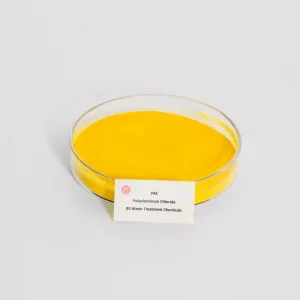
How does the chemical model function? When Polyaluminum Chloride (PAC) is introduced into wastewater, it hydrolyzes rapidly to form positively charged polynuclear aluminum complexes. These complexes neutralize the negative charge on the colloids, reducing the Zeta potential and allowing van der Waals forces to bring particles together.
Once these initial microflocs are formed, long-chain Polyacrylamide (PAM) is applied to act as a bridging agent. The polymer chain adsorbs onto multiple microflocs simultaneously, binding them into large, heavy macroflocs that settle out of suspension under gravity in minutes. This combined coagulant-flocculant model forms the foundation of modern chemical wastewater treatment.
Established in 1998, delivering certified, high-capacity chemical manufacturing direct from our advanced production facilities.
Unpacking the strategic value of manufacturing integration and localized environmental safety protocols.
Direct integration with premium chemical precursor factories in China ensures priority bauxite, hydrochloric acid, and acrylamide monomer access. This safeguards our bulk pricing models against global market shocks.
Fully compliant with international environmental directives including REACH (Europe), EPA regulations (USA), and ISO 9001/14001 standards. Our processes ensure minimal metal contamination and strict toxicity limits.
Positioned near major ports in East China, we dispatch liquid and solid shipments within short timeframes, backed by a persistent 20,000-ton warehouse capacity designed for peak seasonal spikes.
Industrial effluent profiles differ drastically by region. Textile waste streams in Southeast Asia exhibit high organic color load, while paper mill streams in North America demand customized retention polymers. Wuxi BS conducts localized chemical engineering tests, simulating local turbidity, pH, salinity, and temperature inside our proprietary R&D facilities. This targeted "Sewage Treatment Working Model" approach allows us to determine optimal basicity levels in PAC (up to 83% for ACH) and specific charge densities in PAM before dispatching containerized supplies.
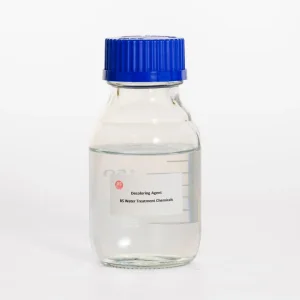
Engineered to maximize coagulation performance, color reduction, and dewatering speeds in commercial setups.
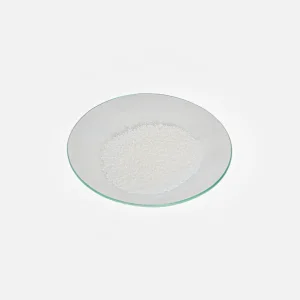
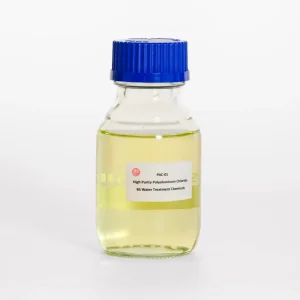
Optimized for sludge dewatering and organic wastewater treatment. Features high molecular weight polymers that form rapid flocs under high-shear operations.
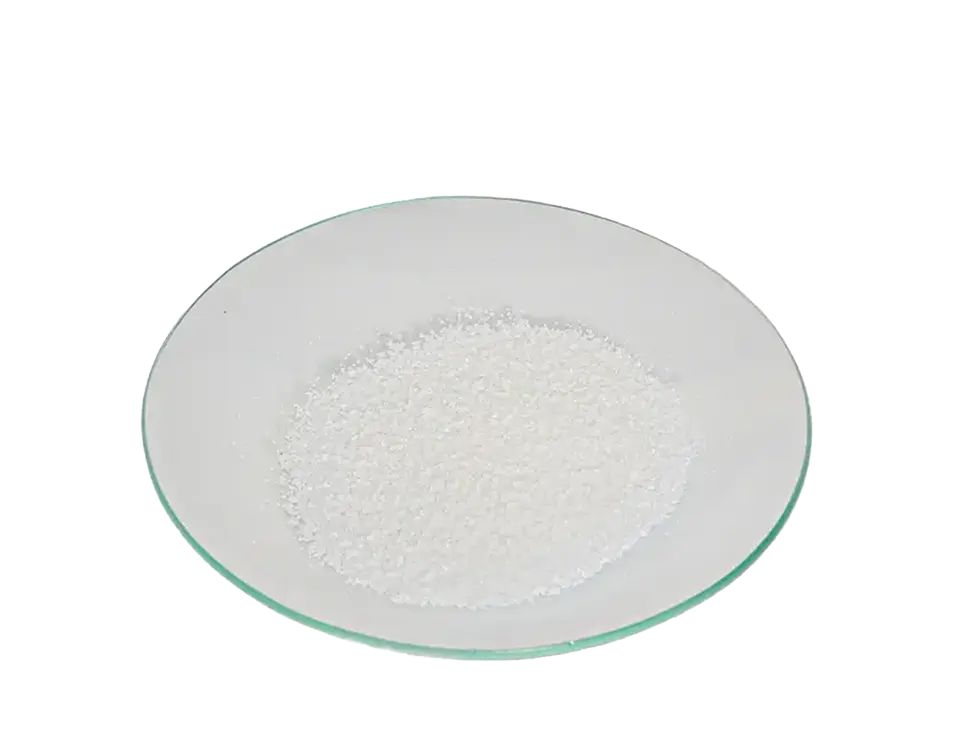
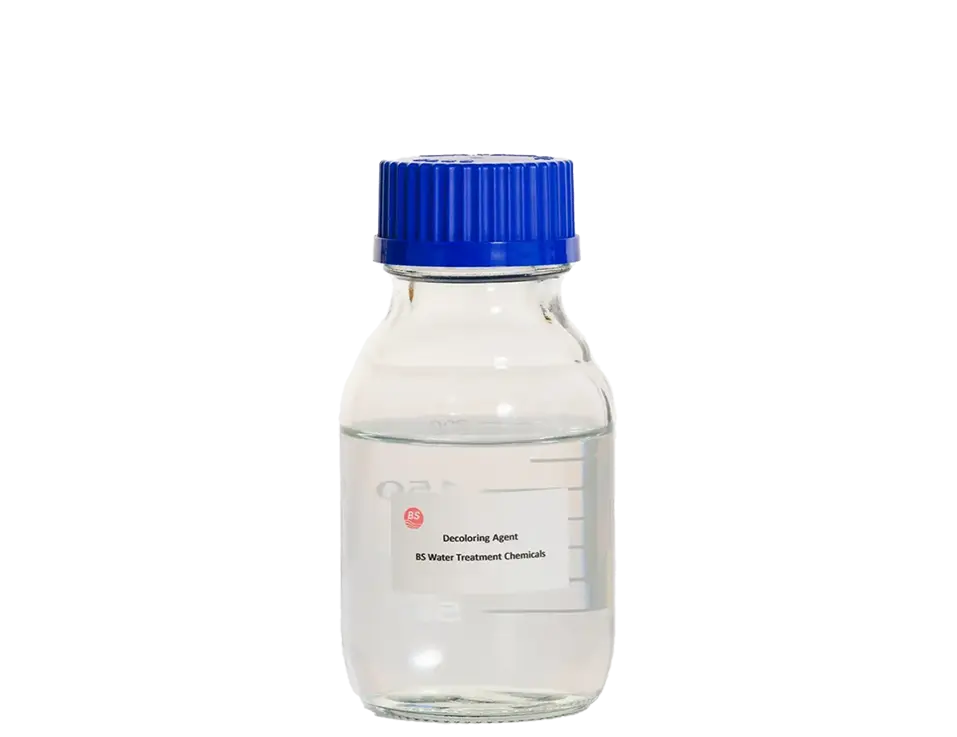
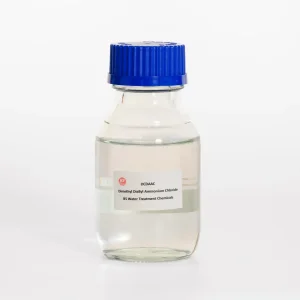
Dicyandiamide formaldehyde derivative designed for fast-action color removal in high-concentration dyeing, textile, and pigment plant effluent.
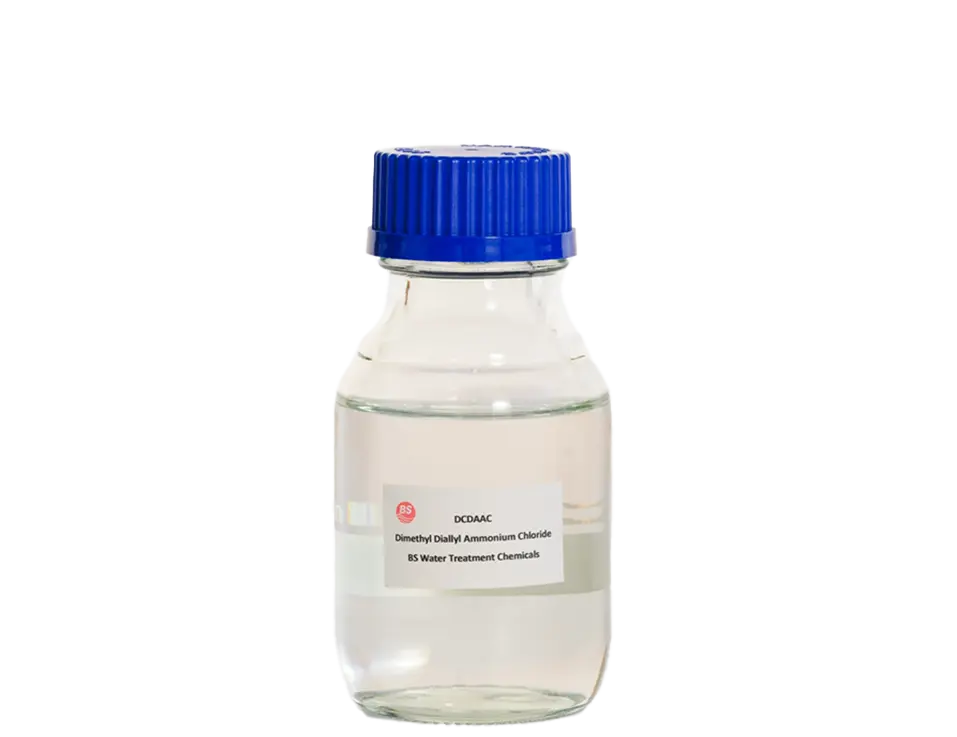
Cationic polymer with strong charge neutralization properties. Highly efficient for coagulation, clarifying, and membrane filter pretreatment protocols.
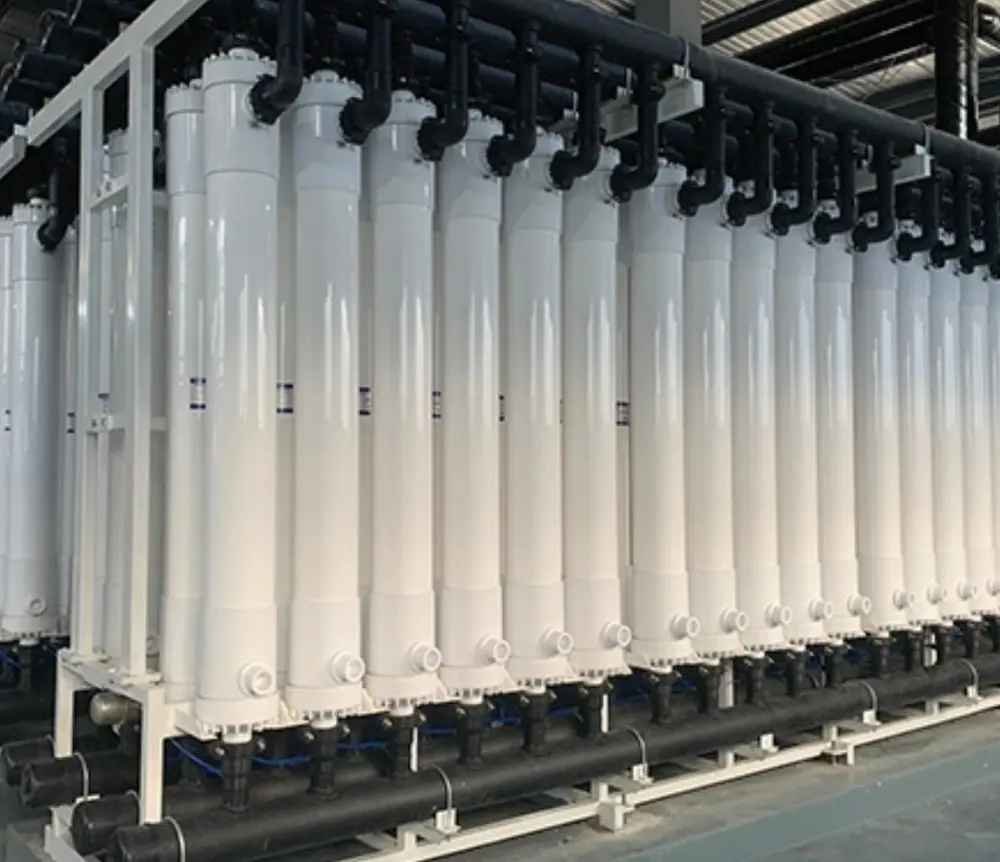
Providing functional chemical components tailored for highly complex liquid separation industries.

Exploring transition patterns toward digital chemical dosing models and environmental green footprints.
One of the most significant advancements in modern wastewater operations is the transition from manual, static chemical dosing to dynamic, AI-assisted dosing. In August 2025, Wuxi BS officially launched digital intelligent solid feeding equipment, designed to work alongside our polymeric formulations. By integrating real-time sensors that analyze incoming flow rate, turbidity, and pH, these smart feeders calculate the exact active ppm needed. This prevents both under-dosing (resulting in incomplete settling) and over-dosing (which can cause chemical carrying over to filters and increase sludge volumes).
As global energy and chemical consumption costs rise, using high-concentration, highly active agents becomes crucial. Products like Aluminum Chlorohydrate (ACH) with 23% Al2O3 content allow municipal and industrial plants to decrease storage footprint and logistics volume, lowering the net carbon output of regional operations.
Not all wastewater streams react the same way to basic formulations. Wuxi BS provides extensive custom manufacturing services (OEM/ODM). We alter polymer molecular weights (from 5 million to 22 million Da), charge densities, and active percentages to synthesize custom flocculants and coagulants. Our production site is equipped with modular reaction vessels capable of producing bespoke formulations for multinational utility providers and raw distributor brands globally.
A history of continuous R&D expansion, capacity scaling, and international market development.
Helping wastewater engineers and B2B buyers select, dose, and optimize chemical coagulation runs.
PAC possesses pre-formed polymeric aluminum complexes, which have a significantly higher cationic charge density than simple aluminum sulfate (alum). This results in faster charge neutralization, faster floc growth, and reduced sludge volumes. PAC is also less dependent on water temperature and works across a wider pH range compared to alum.
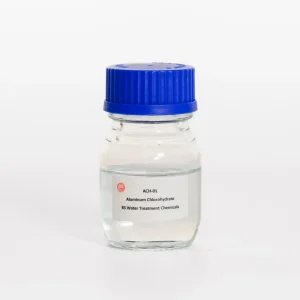
ACH is highly concentrated, containing up to 23% Al2O3. Its high basicity (typically 83%) means it consumes less alkalinity than traditional coagulants. This reduces or eliminates the need for post-treatment pH adjustments using lime or caustic soda, lowering operational complexity and overall chemical costs.
Generally, APAM is used for inorganic solids and industrial waste where the solids carry a positive charge, or after positive charge neutralization via metal coagulants. CPAM is used for organic solids, municipal sewage sludge dewatering, and industrial food processing waste where particles carry a net negative charge.
Our WDA is a highly cationic dicyandiamide formaldehyde polymer. It works by forming strong chemical ionic bonds with anionic dye molecules in textile effluent. This complex quickly precipitates out of solution as an insoluble sludge, reducing color load by over 95% within minutes.
We pack solid powders in moisture-proof, double-layer woven polypropylene bags with inner PE liners, and liquid products in high-density polyethylene IBC totes. This ensures our products resist high humidity and temperature changes during extended ocean transit.
Yes. Our PAC and PAM formulations are processed to ensure low dust levels and no-caking, which prevents clogging in automatic dosing equipment. In 2025, we introduced digital solid feeding systems designed to complement our products.
Insights from our production lines and research achievements in green water purification chemistry.
September 09, 2025
Expanding our distribution partnerships to cover high-salinity industrial wastewater requirements in Latin America and the Middle East, offering custom chemical formulations tailored to local water quality models.
August 21, 2025
Wuxi BS Water Treatment Chemicals Co., Ltd. has successfully launched dynamic feeding systems designed to regulate dosing levels automatically, helping plants optimize chemical efficiency.
Our engineering team is ready to analyze your raw effluent parameters and send samples tailored to your plant configuration. Reach out to get started.
 Tel: +86 13584221461
 Email: [email protected]
Explore our full range of synthetic polymers, coagulants, and organic flocculants.
 BS Water