Discover our top-tier chemical solutions manufactured with state-of-the-art solid-phase synthesis and polymer formulation capabilities, designed for extreme turbidity reduction, sludge dehydration, and chemical precipitation.
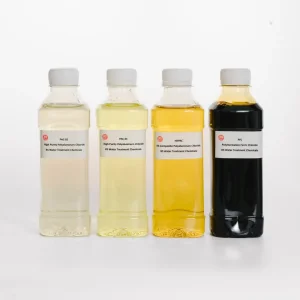
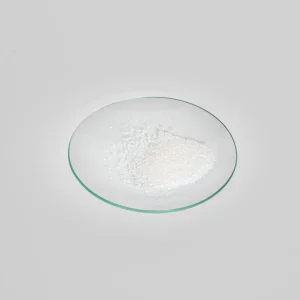
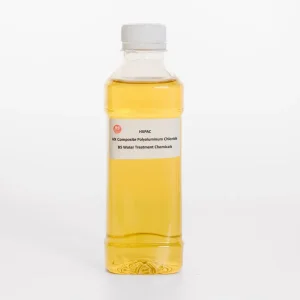
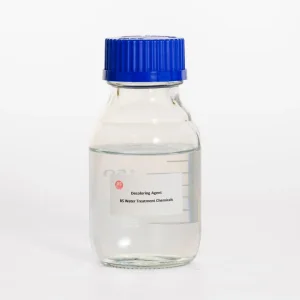
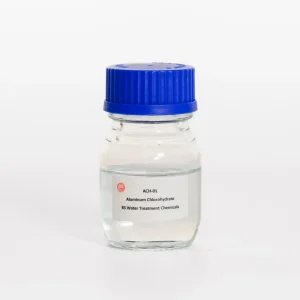
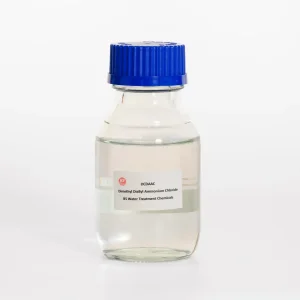
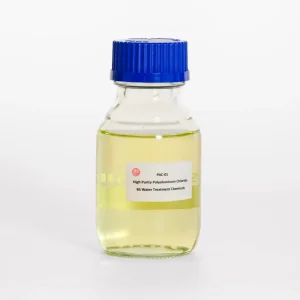
Aluminium Sulfate (Al2(SO4)3) remains the global workhorse of industrial and municipal chemical coagulation. Often referred to colloquially as filter alum, its capability to precipitate orthophosphates, clear suspended organic matter, and neutralize charge in colloids makes it an indispensable component of global municipal infrastructure and manufacturing plants. In recent years, the market has witnessed a distinct shift toward high-purity, iron-free grades of aluminium sulfate to mitigate the downstream deposition of heavy metals and improve compliance with strict regional environmental policies, such as the EU Water Framework Directive and the US EPA Safe Drinking Water Act.
As the raw material chain—primarily dictated by the pricing dynamics of gibbsite bauxite, industrial-grade sulfuric acid, and sodium aluminate—faces global logistical hurdles, manufacturing hubs like Wuxi, China have consolidated production to optimize thermal processes. This consolidation facilitates the supply of uniform, dry-form granulates as well as highly stable liquid formulations. Process engineers are increasingly opting for liquid formulations due to ease of dosing, minimized chemical preparation footprints, and elimination of dust-handling safety concerns. The dynamic transition from low-iron versions to non-iron alternatives highlights a broader trend: optimizing water chemistry requires precision-engineered raw materials that align with tailored municipal flocculation processes.
Global logistics demand bulk suppliers to demonstrate robust shelf stability and non-caking properties in dry alum. In tropical or high-humidity regions, inferior packaging or manufacturing processes lead to rapid moisture absorption, causing clumping that disrupts automatic powder feeders. Through advanced drying systems, Chinese manufacturers have achieved crystallization profiles with tightly bound waters of hydration, guaranteeing free-flowing behavior under varied transport conditions. This structural stability enables Wuxi BS Water Treatment Chemicals to support heavy industries globally, offering chemical agents that consistently exceed regional water quality standards.
Chemical coagulation involves a complex sequence of chemical hydrolyses. When aluminium sulfate is introduced to raw water, the Al3+ aquo complex transitions through various monomeric, dimeric, and polymeric hydrolysis states depending on pH levels and alkalinity:
Al2(SO4)3·18H2O → 2Al3+ + 3SO42- + 18H2O
Al3+ + 3H2O ↔ Al(OH)3↓ + 3H+
These positively charged monomeric species, such as [Al(OH)(H2O)5]2+ and [Al(OH)2(H2O)4]+, rapidly adsorb onto negatively charged colloidal particles (clays, organic humic acids, bacteria) to reduce the zeta potential. Once zeta potential approaches neutral (-5 mV to +5 mV), van der Waals forces dominate, causing particles to agglomerate. Simultaneously, at optimal pH levels (typically 6.0 to 7.8), amorphous aluminium hydroxide (Al(OH)3) precipitates as a gel-like matrix. This phenomenon, known as "sweep flocculation," physically traps particulate matter as it settles through the water column.
Understanding which coagulant to deploy is critical for preventing downstream filter binding and elevated residual aluminium. The table below represents a comparative engineering matrix of aluminium-based coagulants:
Founded in 1998, Wuxi BS Water Treatment Chemicals Co., Ltd. (originally established as Wuxi Bisheng Water Treatment Agent Co., Ltd.) has evolved into a key supplier of advanced polymer coagulants and high-performance decolorizers. Spanning a modern manufacturing campus equipped with digitalized solid feeding systems, we leverage chemical synthesis to generate water purification formulations used globally.
We pride ourselves on offering complete, lifecycle engineering consultancy. Our technical field staff works closely with utilities and plant managers to perform jar tests, evaluate system hydraulics, and suggest optimized dosing recipes. This ensures that every ton of chemical supplied delivers maximum performance with minimal environmental impact.
Water treatment is not a one-size-fits-all discipline. Different vertical industries present unique chemical environments, requiring precise coagulant selection and dosage adjustment.
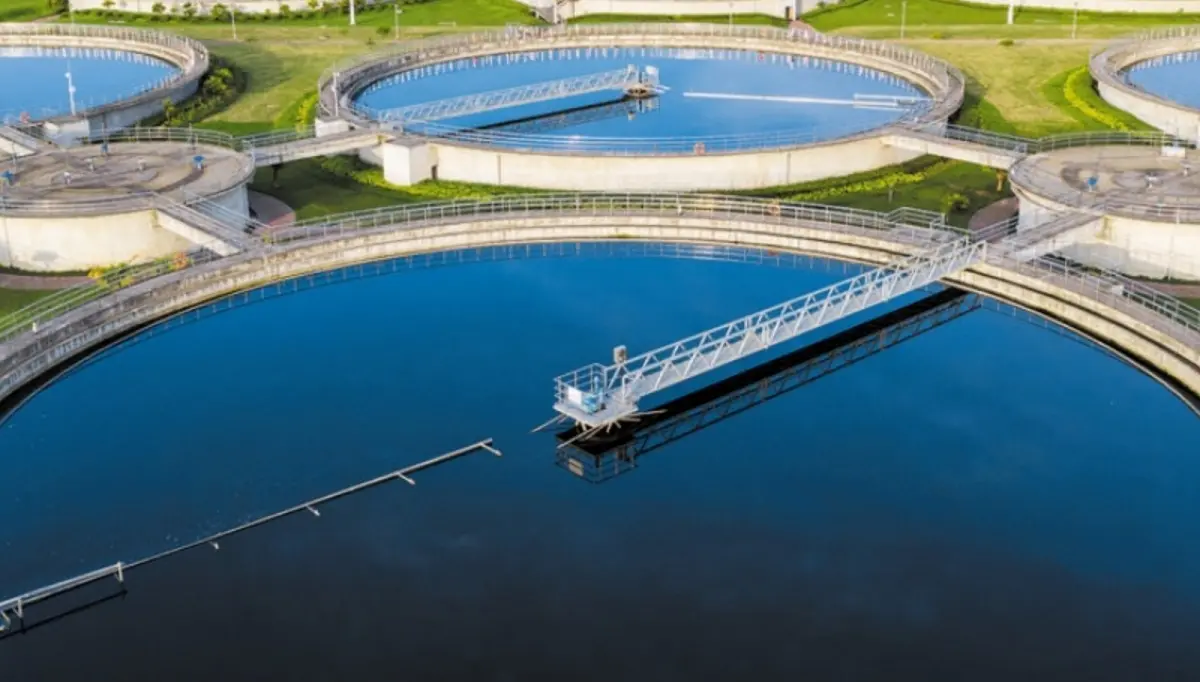
Accelerating floc formation in municipal and industrial clarifiers. Eliminates bulk phosphorus, suspended organic compounds, and heavy metal ions from the effluent stream, allowing compliance with strict global discharged wastewater standards.
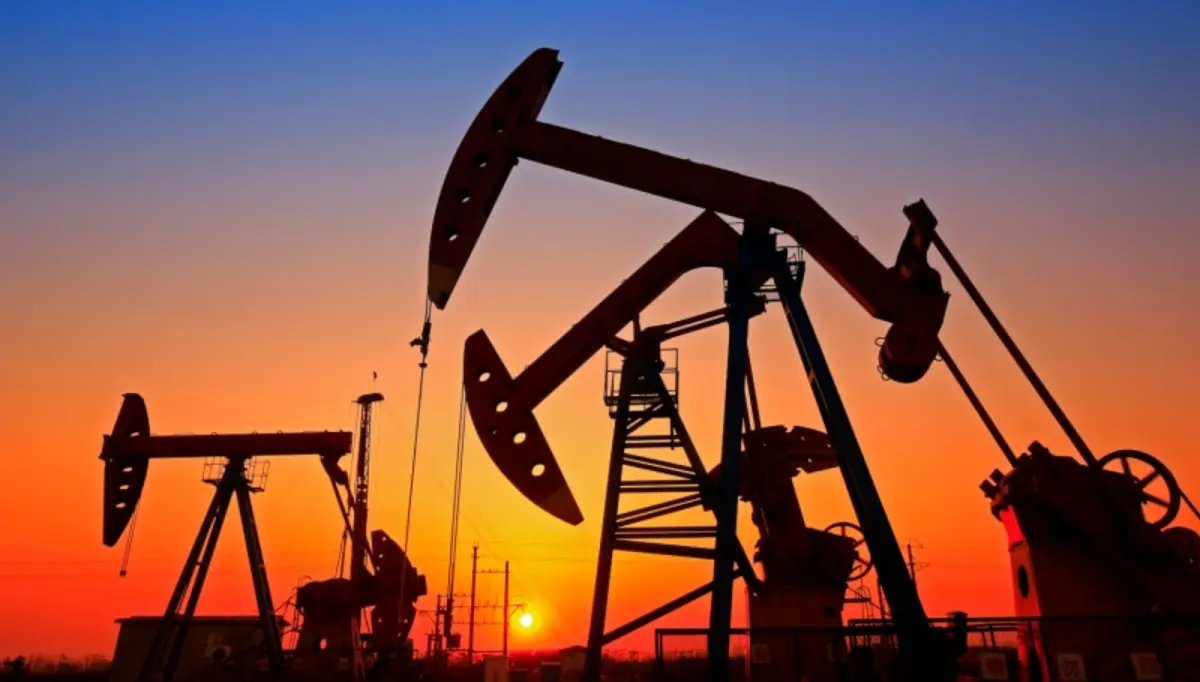
Demulsification of oil-in-water emulsions in produced water systems. Our chemical additives actively target complex surfactants, speeding up separation and protecting downstream biological filters.
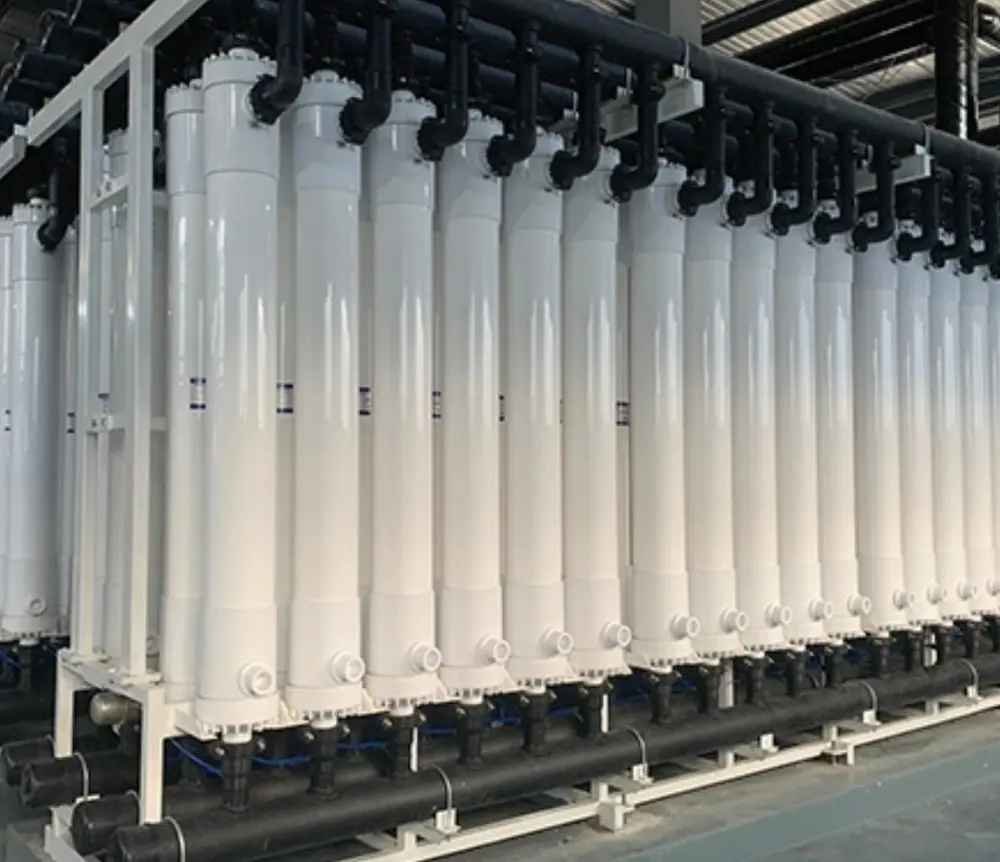
Mitigating colloidal fouling of RO and NF membranes by ensuring thorough coagulation before filtration. Our low-iron aluminium compounds minimize residual metal deposits, extending membrane service life.
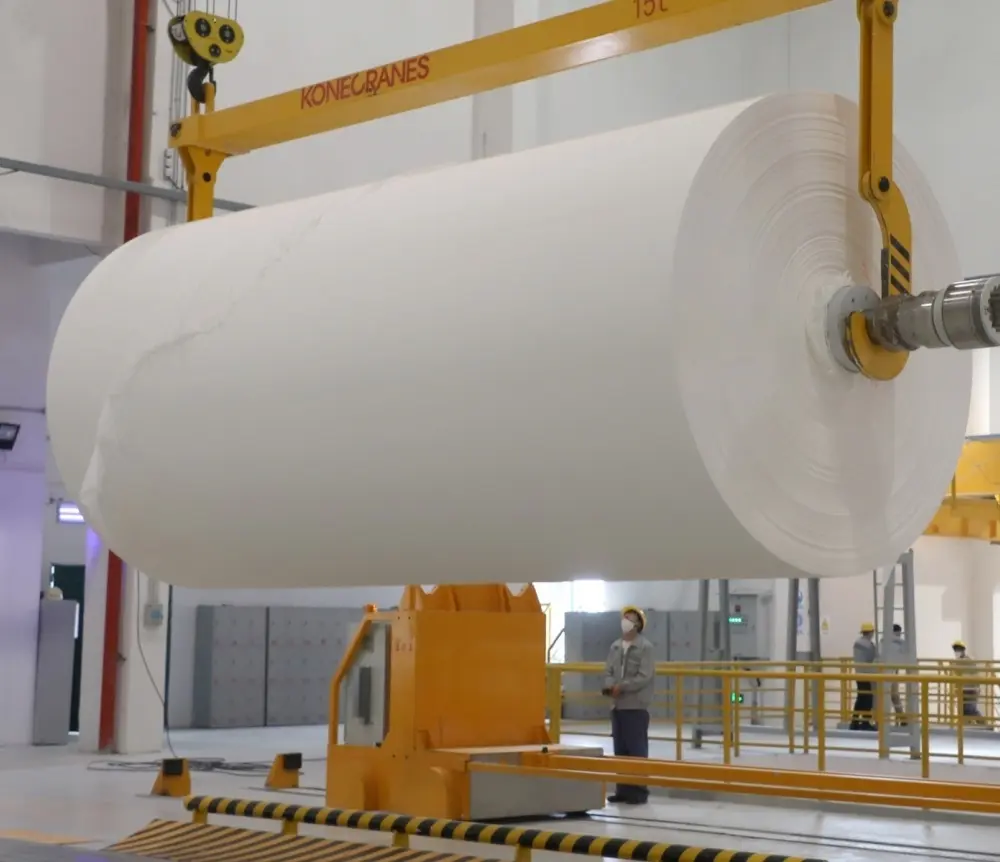
Widely utilized for rosin sizing, retention aid systems, and pitch control. Helps bind sizing agents to cellulosic fibers, enhancing structural paper quality while clarifying white water recycle loops.
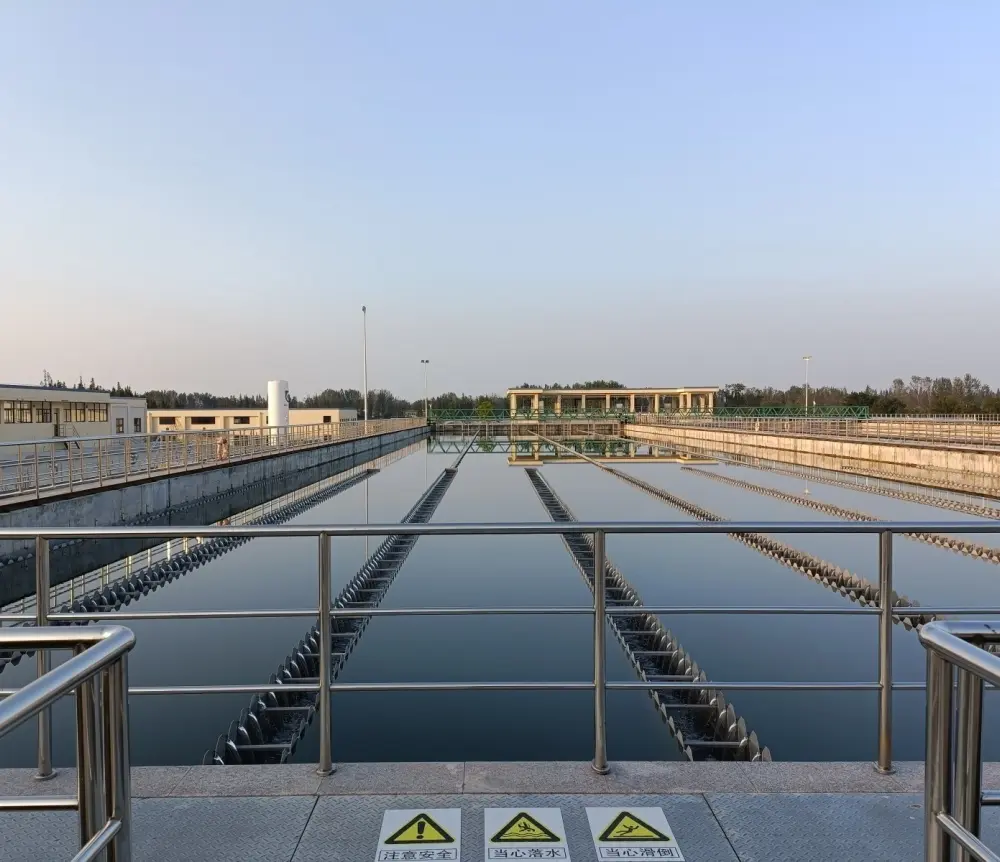
Delivering high-purity coagulants that meet food-grade safety standards. Effectively removes humic substances, natural organic matter (NOM), and pathogenetic cysts without adding trace contaminants.
As standard mineral-based coagulants reach their thermodynamic limits, Wuxi BS is pioneering research into hybrid inorganic-organic systems. By pre-hydrolyzing aluminum complexes and integrating high-molecular-weight organic polymers (such as polyDADMAC or cationic polyacrylamide) during synthesis, we produce composite agents. These composites generate larger, denser flocs that settle faster, minimizing the required settling footprint.
Additionally, our production plants are moving toward low-carbon synthesis routes. By utilizing recovered heat from sulfuric acid synthesis loops and optimizing gibbsite digestion pressures, we have reduced carbon-equivalent emissions per ton of coagulant by over 18%. Our commitment to sustainable chemistry aligns with the global shift towards green municipal infrastructure and ESG-compliant sourcing.
Explore our specialized range of targeted treatment formulations. These products are manufactured under ISO-certified quality control systems to ensure consistent charge density and active ingredient levels.
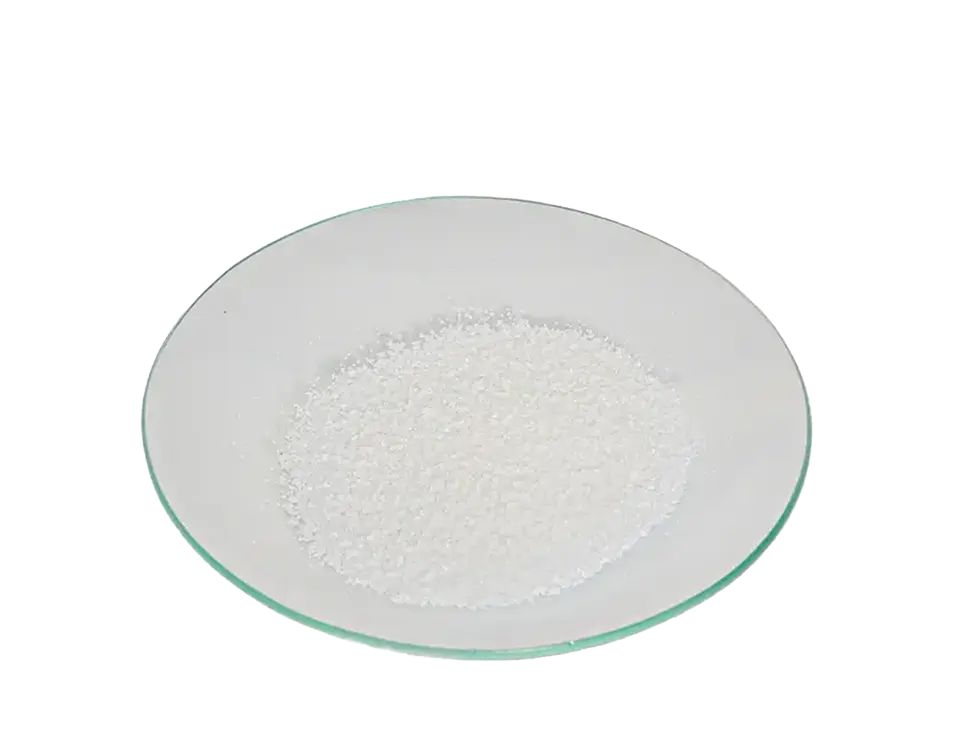
High molecular weight flocculants for quick sludge conditioning and municipal belt-press dewatering.
Technical Inquiry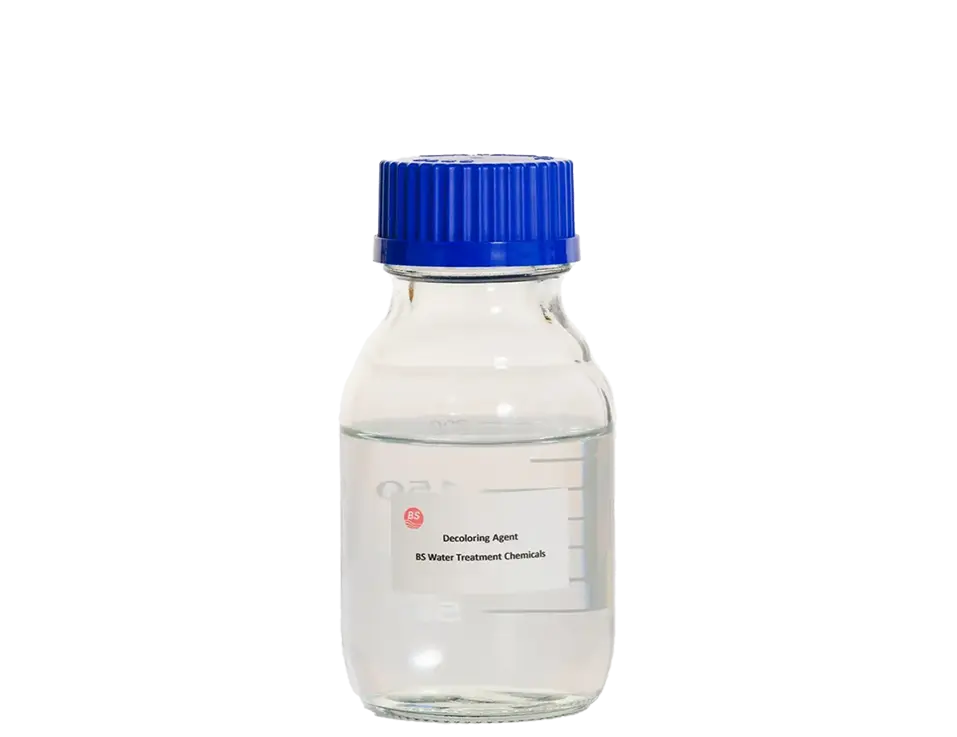
Dicyandiamide formaldehyde polymer designed specifically to break chromophore bonds in textile wastewater.
Technical Inquiry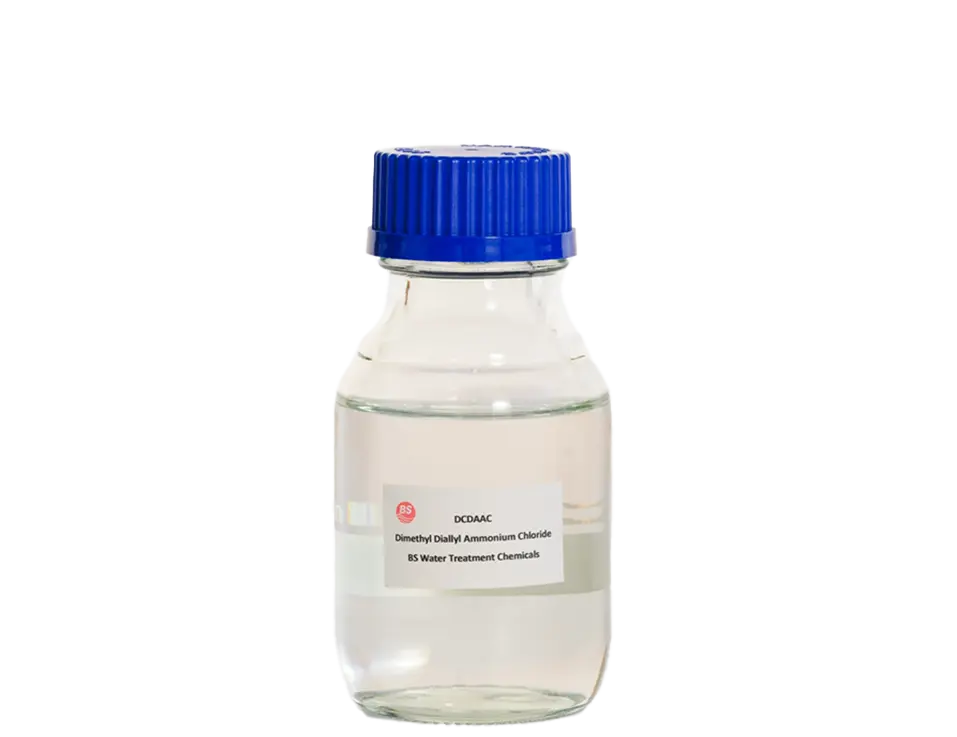
Liquid cationic coagulant that functions well across wide pH ranges, ideal for raw water filtration pretreatment.
Technical InquiryWe provide chemical formulations customized to specific water treatment facilities, balancing active alumina ratios, molecular weight distribution, and basicity to align with your plant's raw water quality profile.
Our chemical engineers provide comprehensive technical support, starting with on-site jar testing and extending to plant-wide chemical system integration and dosage optimization.
With an annual sales volume exceeding 500,000 tons and dedicated raw material storage pipelines, we ensure a reliable supply and mitigate price volatility for our partners.
Backed by digitized, automated production lines and strict QC lab testing of raw material inputs, every chemical batch is tracked from raw bauxite to finished product.
Our long-term research focuses on enhancing the basicity of pre-polymerized coagulants, helping to reduce the overall chemical dosing footprint for industrial systems.
Since exporting globally in 2007, we have established shipping and maritime packaging standards that maintain chemical stability in transit through various climate zones.
Decades of continuous process optimization and manufacturing growth have positioned Wuxi BS as a reliable chemical supplier on the global stage.
Our manufacturing facility was established in Wuxi, focusing on primary inorganic coagulants for regional municipal water networks.
The company was renamed as Wuxi Bisheng Water Treatment Agent Co., Ltd., expanding industrial production capacity.
Initiated export operations, delivering high-purity coagulants and organic flocculants to international municipal agencies.
Achieved annual export sales surpassing 10 million USD, serving large-scale water treatment utilities worldwide.
Established a dedicated Foreign Trade Department to enhance customer support and streamline global logistics.
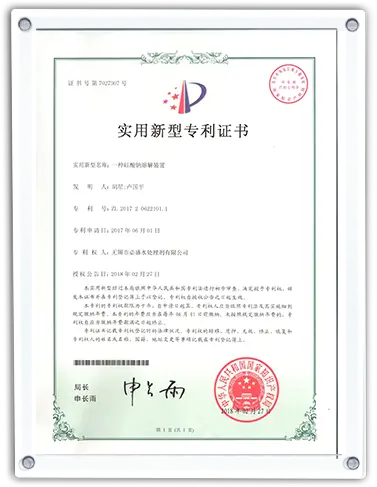
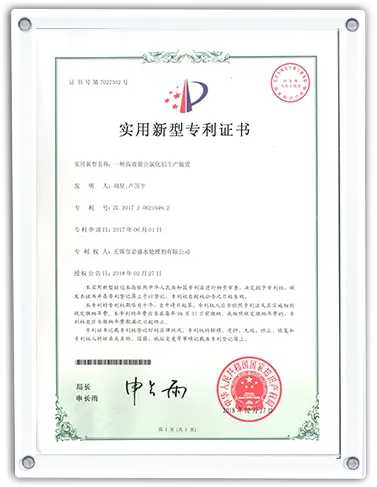
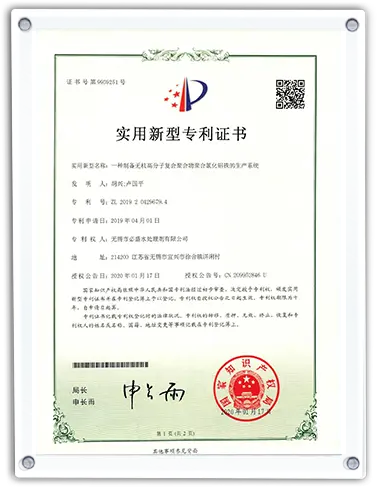
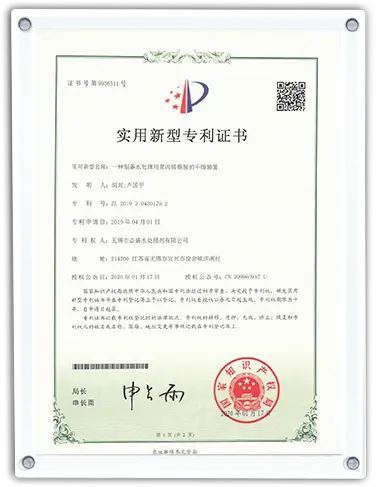
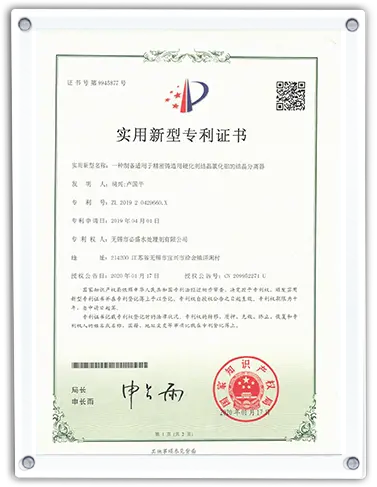
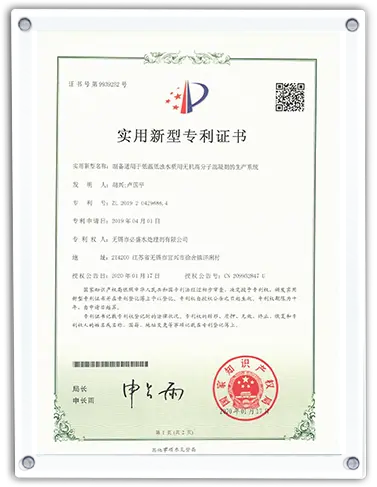
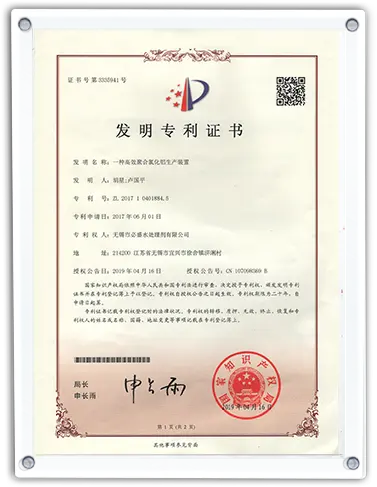
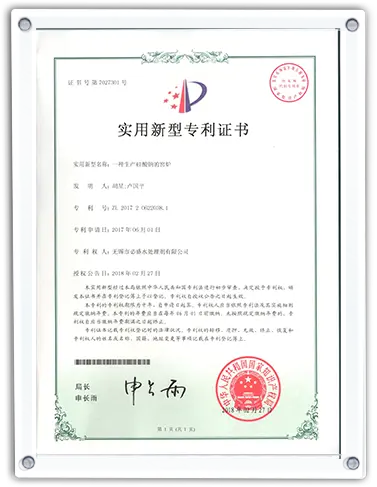
Our production facilities operate under ISO 9001, ISO 14001, and ISO 45001 standards. This ensures that every step of our chemical synthesis process is designed for quality and safety, meeting international standards.
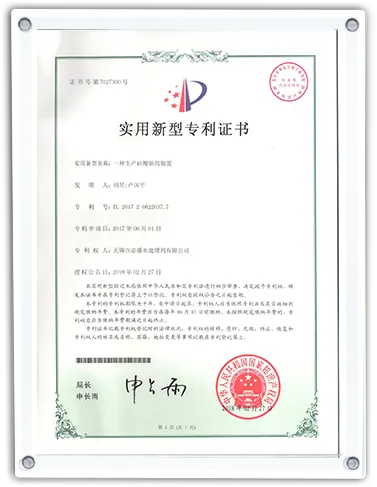
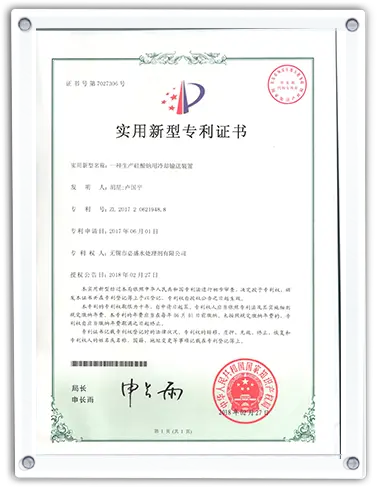
Consult this reference compiled by our laboratory directors to troubleshoot dosing systems and clarify chemical configurations.
The difference lies in the concentration of Fe2O3. Non-iron aluminium sulfate limits Fe2O3 levels to below 0.005%, preventing the discoloration of treated water and raw pulps. It is preferred for drinking water filtration and premium papermaking. Low-iron variants, containing up to 0.5% Fe2O3, are suitable for municipal sewage and industrial wastewater treatment where trace iron does not impact downstream processes.
Aluminium sulfate hydrolysis is an endothermic chemical reaction. In cold water conditions (below 5°C), the viscosity of the water increases, slowing the collision rate of hydrolyzed particles. Additionally, hydrolysis reactions slow down, which can delay the precipitation of insoluble aluminium hydroxide. Under these cold conditions, pre-polymerized alternatives like Polyaluminum Chloride (PAC) or Cationic Polyacrylamide (CPAM) are often added to assist floc formation.
From an active ingredient perspective, dry solid aluminium sulfate contains approximately 15.8% to 17% Al2O3, whereas the liquid concentrate generally contains about 8% Al2O3. To achieve the same coagulation performance, approximately two metric tons of liquid alum are required for every ton of dry solid alum. However, liquid alum eliminates dry chemical preparation equipment, reducing operator handling and system footprint.
Alum consumes alkalinity during hydrolysis. For every 1 mg/L of alum added, approximately 0.5 mg/L of alkalinity (calculated as CaCO3) is consumed. If the raw water has low natural alkalinity, the pH can drop below the optimal coagulation range (6.0 - 7.5), leading to poor flocculation and elevated residual aluminum. In such cases, adding an alkaline source like hydrated lime or soda ash is necessary to maintain the proper pH range.
Aluminium ions react directly with dissolved orthophosphates to form an insoluble aluminium phosphate precipitate:
Al3+ + HnPO4(3-n)- → AlPO4↓ + nH+
This precipitate is then trapped in the settling floc matrix and removed during clarification, helping municipal plants meet target phosphorus limits.
Whether you require custom polymer ratios, bulk shipping logistics, or laboratory test samples, Wuxi BS Water Treatment is ready to support your facility's operations.
Our chemical synthesis and application teams analyze incoming water data to propose targeted product selections and dosing recipes.
Keep informed on chemical supply chain updates, raw material trends, and technology shifts in the water treatment sector.
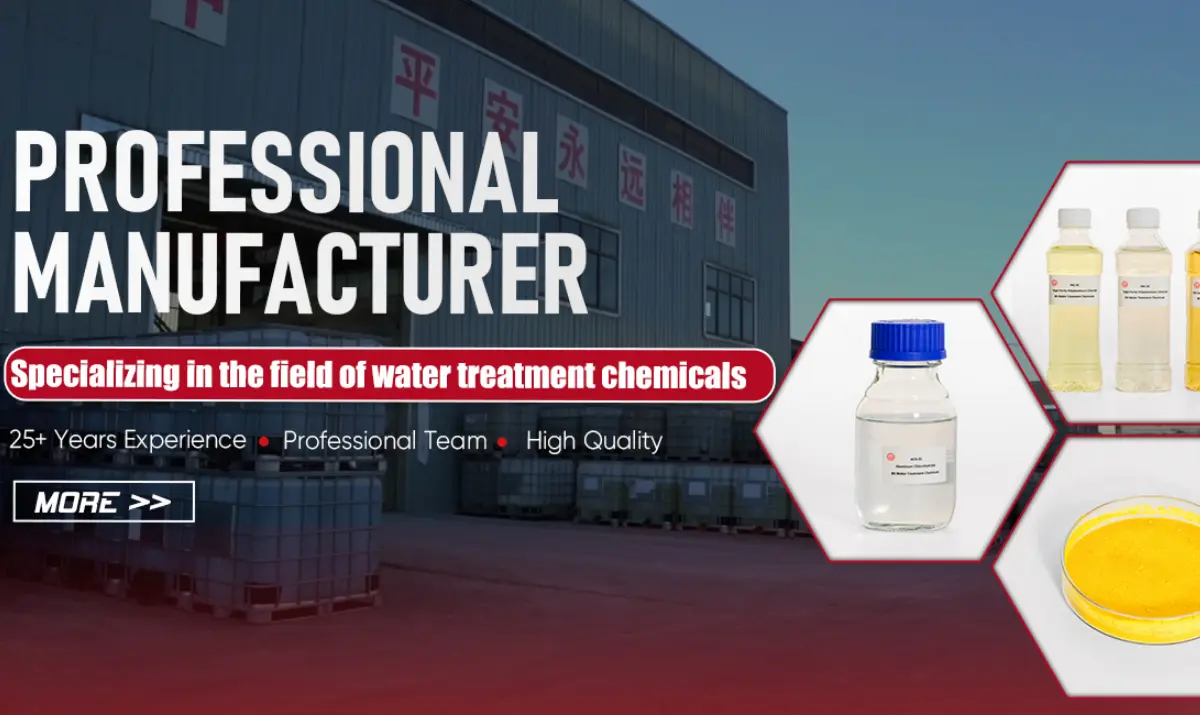
Wuxi BS Water Treatment Chemicals Co., Ltd. continues to build out international partnerships, offering direct shipment solutions that support municipal water treatment facilities globally.
Read Article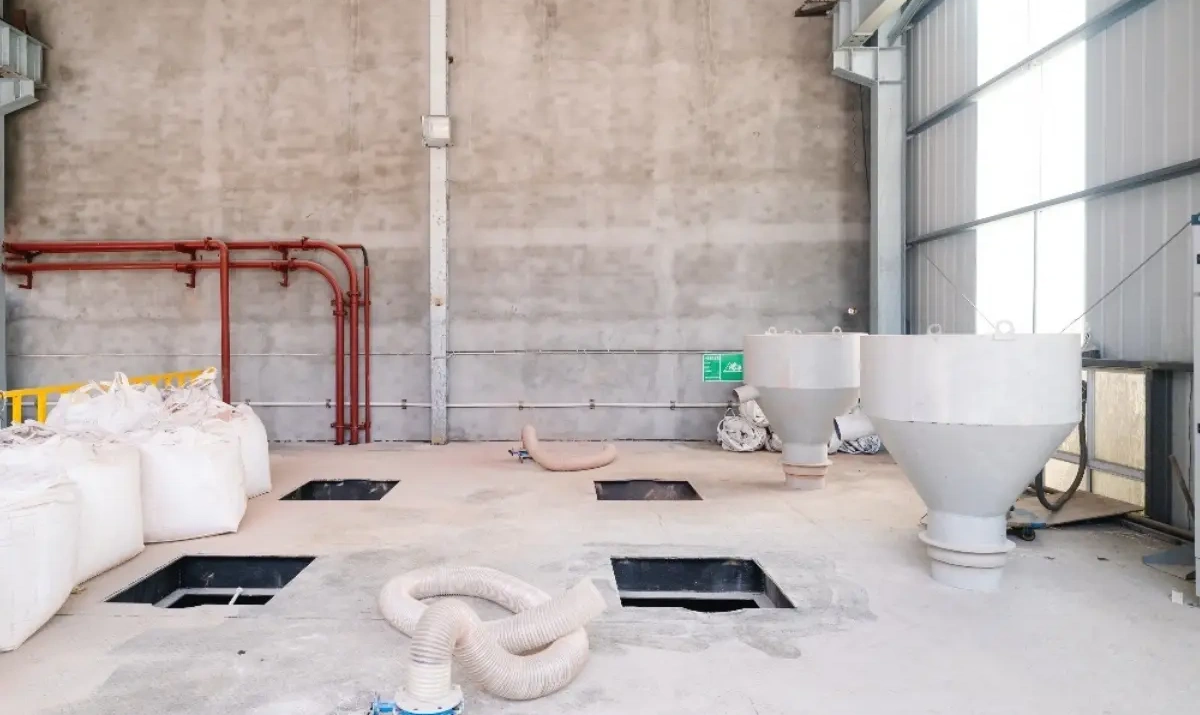
Introducing automated feed systems that optimize chemical consumption, lowering operating costs for treatment facilities.
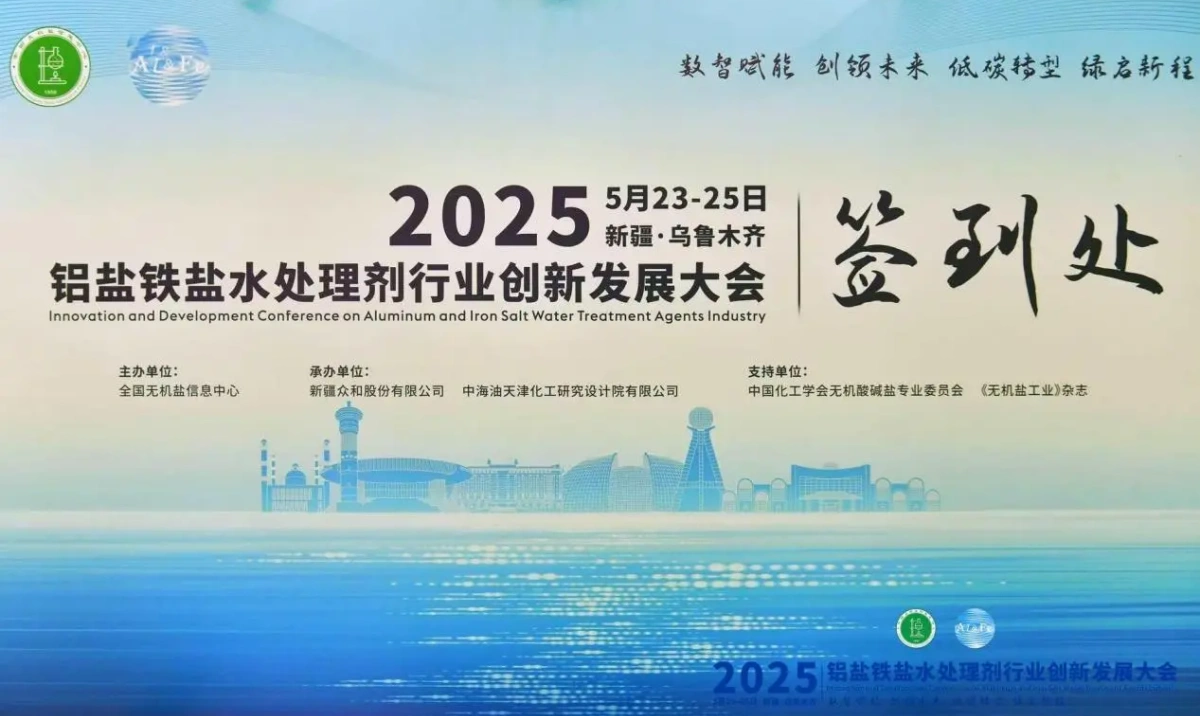
Discussing sustainable production methods and green initiatives at the 2025 Coagulant Development Conference.
Explore our full line of water treatment chemicals, including high-charge polyDADMAC, polymer flocculants, and basicity-controlled ACH products designed for optimal system efficiency.
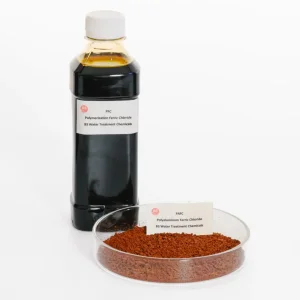
 BS Water