Explore our foundational range of highly certified chemicals. Engineered to eliminate impurities, optimize flocculation, and ensure high potable water quality.
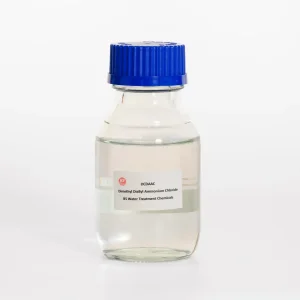
High-charge density cationic polymer, highly effective as a primary coagulant and charge neutralizer in municipal drinking water purification.
Technical Specs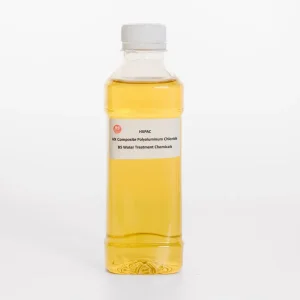
Composite formulation engineered for accelerated sedimentation and low-temperature turbidity removal in drinking water units.
Technical Specs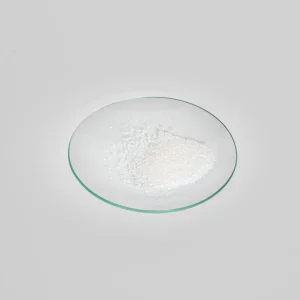
Ultra-high molecular weight polymer acting as a flocculant bridging agent to rapidly agglomerate micro-flocs into heavy flocs.
Technical Specs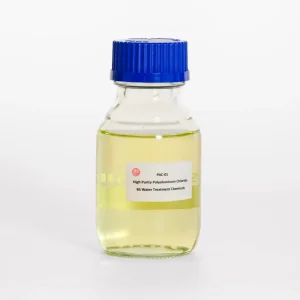
Spray-dried pharmaceutical and potable-grade powder containing 30% Al2O3 with minimal heavy metal concentrations.
Technical Specs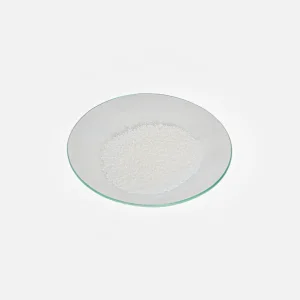
Highly optimized cationic charge distribution designed specifically for rapid sludge conditioning and high-speed dewatering.
Technical Specs
Stable liquid solution with high active ingredients, reducing on-site dissolving steps and ensuring dosing consistency.
Technical Specs
Specially formulated polyaluminum complex incorporating high molecular weight polymers to optimize floc density.
Technical Specs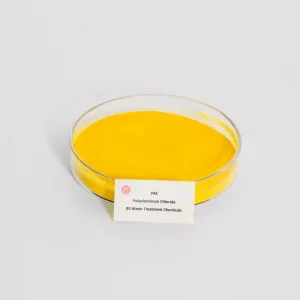
Ultra-pure solid grade with low water insolubles, designed for immediate dissolution in drinking water plants.
Technical SpecsAn in-depth analysis of chemical applications, regulatory compliance, and market dynamics in drinking water purification.
The provision of clean, non-toxic, and microbiologically safe drinking water is a primary pillar of global public health. With rapid industrialization, expanding urban populations, and changing climatic patterns, natural freshwater reservoirs face unprecedented contamination levels. From suspended solids and natural organic matter (NOM) to trace heavy metals, agricultural runs, and industrial micro-pollutants, municipal drinking water treatment facilities are under constant pressure to deliver compliant potable water.
Consequently, the global demand for high-performance potable water treatment chemicals has shifted from traditional raw alum and iron salts to highly polymerized, tailored inorganic and organic coagulants. The market is defined by strict regulatory standards—such as the US EPA guidelines, European Standard (EN) requirements, and the NSF/ANSI Standard 60 certification. These regulations limit maximum chemical dosages and mandate stringent thresholds for impurities like monomeric acrylamide, heavy metals (lead, arsenic, mercury), and free aluminum residuals.
Suspended colloidal particles in natural raw water are typically negatively charged, preventing agglomeration. The introduction of highly charged inorganic species, such as Polyaluminium Chloride (PAC) or organic polymers like Poly(diallyldimethylammonium chloride) (PDADMAC), neutralizes these surface charges. Once neutralized, the micro-flocs aggregate. Polyacrylamides (PAM) then act via polymer bridging, extending their high-molecular-weight chains to link multiple micro-flocs into larger, rapidly settling macro-flocs. Wuxi BS Water Treatment Chemicals Co., Ltd. specializes in optimizing this synergy to reduce chemical consumption by up to 35% compared to conventional treatments.
Selecting the correct coagulant or flocculant requires analyzing raw water characteristics including temperature, pH, alkalinity, and turbidity. Under-dosing results in poor clarification, while over-dosing can lead to elevated dissolved metals and membrane fouling. Below is an overview of the key chemical agents utilized in modern potable and industrial water purification plants:
| Chemical Agent | Common Acronym | Primary Charge / Nature | Typical Applications & Benefits |
|---|---|---|---|
| Polyaluminium Chloride | PAC | Cationic Inorganic Polymer | Broad pH operating range; lower sludge volume compared to alum; rapid floc formation. |
| Aluminum Chlorohydrate | ACH | High Basicity Cationic | Maximized Al2O3 content (up to 24% liquid, 46% solid). Minimum alkalinity consumption. |
| Poly polymeric Aluminium Ferric Chloride | PAFC | Inorganic Composite Polymer | Synergistic combination of Al and Fe. Forms heavy, high-density flocs that settle rapidly. |
| Poly(diallyldimethylammonium chloride) | PDADMAC | High Cationic Organic Polymer | Highly effective for neutralizing fine colloidal particles; works efficiently over pH 4 to 10. |
| Anionic Polyacrylamide | APAM | Anionic Organic Polymer | Acts as a powerful flocculation aid; bridges neutralized particles in gravity settling tanks. |
| Cationic Polyacrylamide | CPAM | Cationic Organic Polymer | Crucial for organic-rich sludge conditioning and rapid centrifugal dewatering systems. |
The global water treatment industry is undergoing a digital and molecular revolution. The key trends driving E-E-A-T standards and commercial growth include:
The effectiveness of potable water chemicals is highly dependent on geographical and seasonal water quality profiles. Below are key localized application scenarios where tailored chemical combinations are critical:
1. Seasonal High-Turbidity Runoffs (Monsoon/Spring Melt): During heavy rains, rivers experience spikes in suspended clay, silt, and organic debris. In these high-turbidity scenarios, standard inorganic coagulants can struggle to settle rapidly. Introducing a dual-chemical regime—combining Polyaluminium Chloride (PAC) as the primary coagulant and high-molecular-weight Anionic Polyacrylamide (APAM) as a flocculant aid—accelerates sedimentation. This maintains plant throughput without overloading downstream sand filters.
2. Low-Temperature, Low-Turbidity Reservoir Water: In cold regions, chemical reactions slow down, and standard alum flocs become light and fragile. Under these conditions, Wuxi BS recommends Polymeric Aluminium Ferric Chloride (PAFC) or Composite PAC (CPAC). The iron component in PAFC adds weight to the flocs, ensuring reliable gravity settling even at temperatures close to freezing.
3. Organic-Rich Surface Waters (Tannins and Humic Acids): Surface waters in forested or swampy regions often contain high concentrations of Natural Organic Matter (NOM). These compounds form soluble complexes with metals and serve as precursors to harmful Disinfection Byproducts (DBPs) like trihalomethanes (THMs). High-charge cationic polymers like PDADMAC or Water Decolorizing Agents (WDA) precipitate these dissolved organic molecules, protecting public health and preventing membrane fouling in reverse osmosis systems.
Customized chemical configurations designed to optimize processing efficiency, minimize environmental footprints, and ensure regulatory compliance.


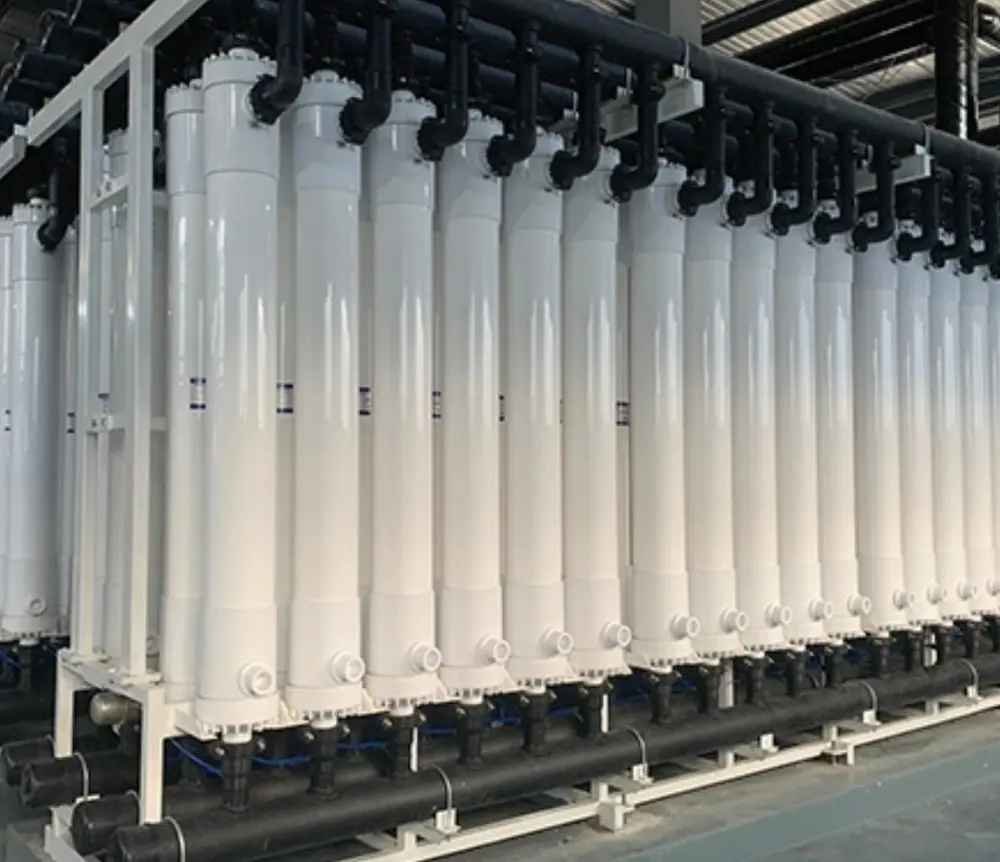
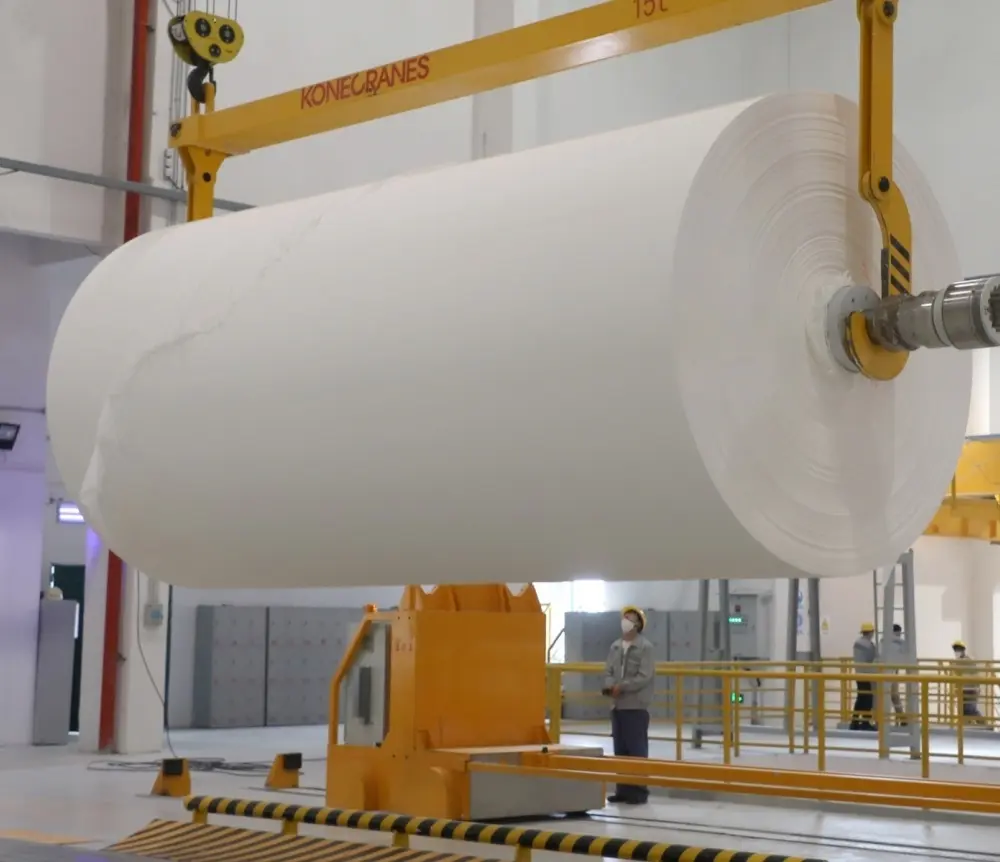
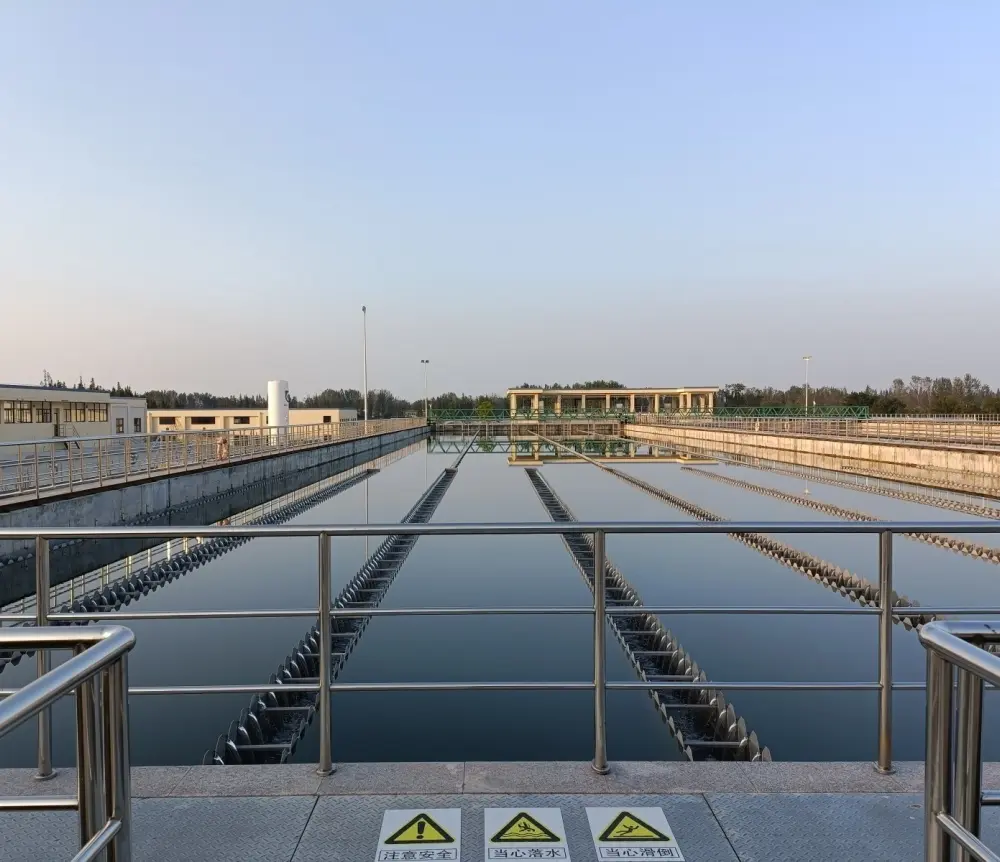
Leveraging high-end laboratory assets and computerized manufacturing facilities to deliver bespoke chemical formulations tailored to your water profile.
Our technical group conducts full-cycle "water quality diagnostics" to determine the optimal chemical program for your local raw water.
With an annual sales volume exceeding 500,000 tons and a dedicated 20,000-ton finished product warehouse, we support supply continuity.
Supported by automated production lines and comprehensive quality control (QC/QA), we maintain consistent molecular parameters across batches.
For over two decades, our research department has pioneered advancements in polymer basicity, cationic charge density, and lower active content residuals.
Since 2007, our products have been exported to over 40 countries, backed by international certifications and optimized maritime transport packages.
How Wuxi BS grew from a local manufacturer into a global player in water treatment chemicals.
The chemical manufacturing facility was established to address municipal clarification challenges.
Renamed to Wuxi Bisheng Water Treatment Agent Co., Ltd. and upgraded to a high-capacity chemical site.
Expanded into global markets, exporting primary coagulants to Southeast Asia, Europe, and the Middle East.
Annual international trade sales exceeded 10 million USD, backed by NSF/ANSI Standard 60 compliance.
Established the dedicated foreign trade department and introduced digital plant systems to optimize logistics.
Addressing core questions from water treatment engineers, procurement specialists, and municipal operators.
Complete your chemical portfolio with our specialized flocculation and decolorization agents. Engineered for challenging industrial and municipal environments.
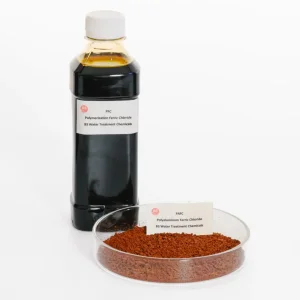
Synergistic inorganic polymer blend of aluminum and iron. Promotes fast floc aggregation and sedimentation in low-temperature waters.
Technical Specs
High molecular weight flocculant for rapid settlement, helping to optimize clarification basins and thickener throughput.
Technical Specs
High-iron formulation that delivers dense, stable flocs, reducing overall chemical requirements in muddy surface runoffs.
Technical Specs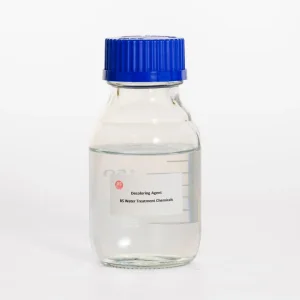
Specialized quaternary ammonium polymer designed to neutralize and precipitate organic dyes and colorants from effluent stream.
Technical Specs
Premium grade bridging agent that works in combination with inorganic coagulants to improve clarity in wastewater processing.
Technical Specs
Stable compound polymer containing active iron/aluminum ions, designed to clarify organic-rich drinking water.
Technical Specs
Engineered composite coagulant with low heavy metal contents, optimizing flocculation and settlement in industrial processes.
Technical Specs
Liquid formulation with high active content, designed for high-precision automated dosing in clean water systems.
Technical SpecsOur chemical application engineers will analyze your water report and suggest the most economical dosing system.
Get a precise chemical quote and free sample testing for your municipal plant or industrial facility.
Stay informed with current market trends, technology updates, and digital solutions implemented in water treatment plants.
Explore Wuxi BS Water Treatment Chemicals Co., Ltd.'s expansion into global markets, bringing standard products to municipal agencies worldwide.
Read More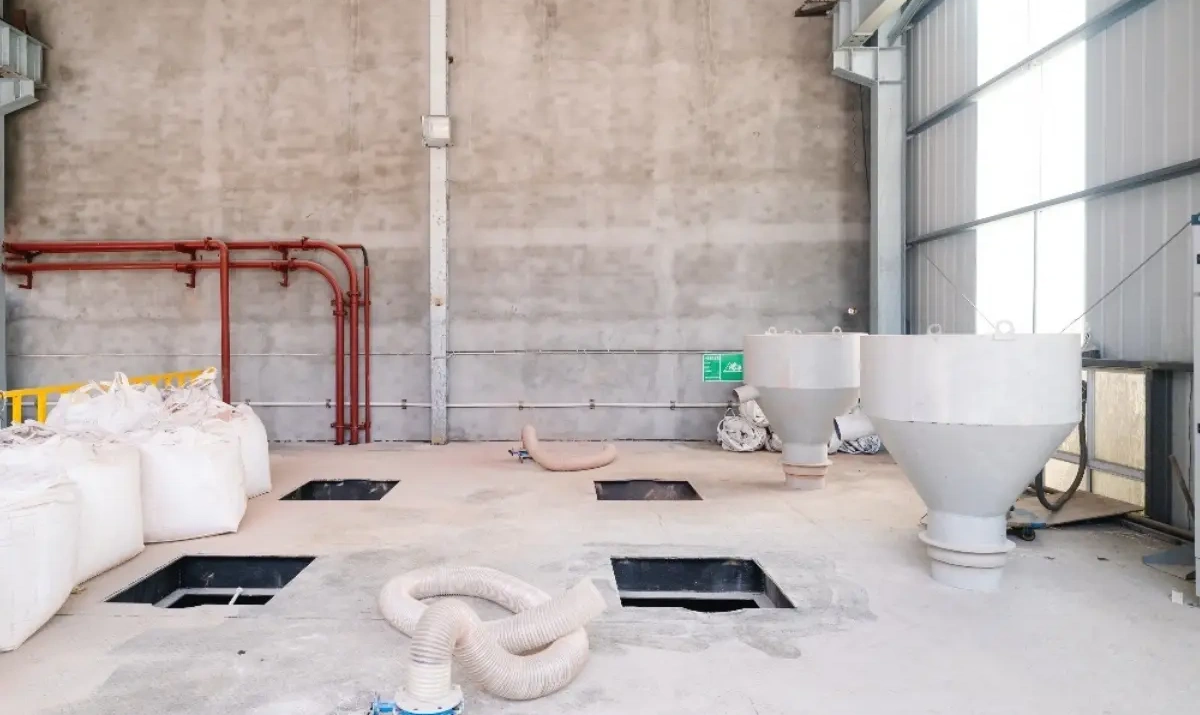
Officially launching state-of-the-art automatic solid feeding and dissolving equipment to optimize PAC and PAM dosing precision.
Read More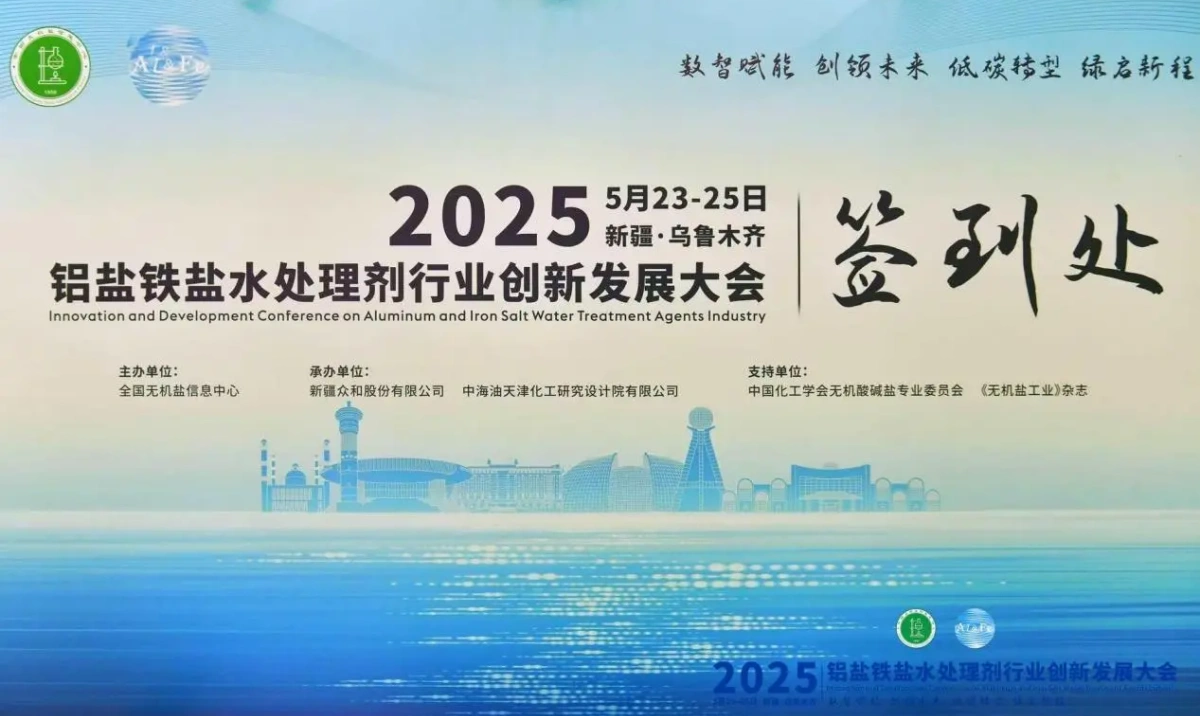
Highlighting green chemistry advancements and the new industry standards designed to minimize chemical residues in drinking water.
Read More BS Water

